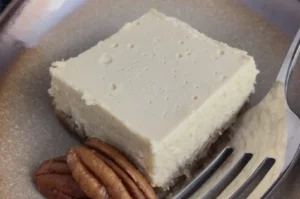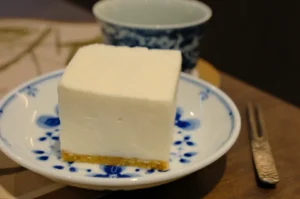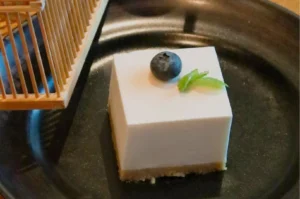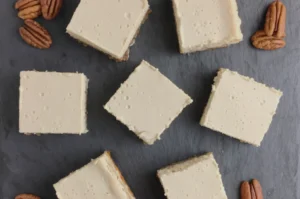
A thin sliver of cheesecake and a thick wedge sitting on the same plate rarely taste like the same dessert, even when they came from the same pan minutes apart. One disappears in two bites. The other turns into something closer to a sit-down affair. Cheesecake portioning is not just about how many pieces come out of a pan. It decides how the cake is actually experienced, bite by bite.
Most people assume the recipe does all the work. The portioning happens almost as an afterthought, a final step before serving. But the width of a slice changes texture, pacing, and even how sweet the cake tastes on the tongue.
Why a Thin Slice and a Thick Wedge Don't Taste the Same
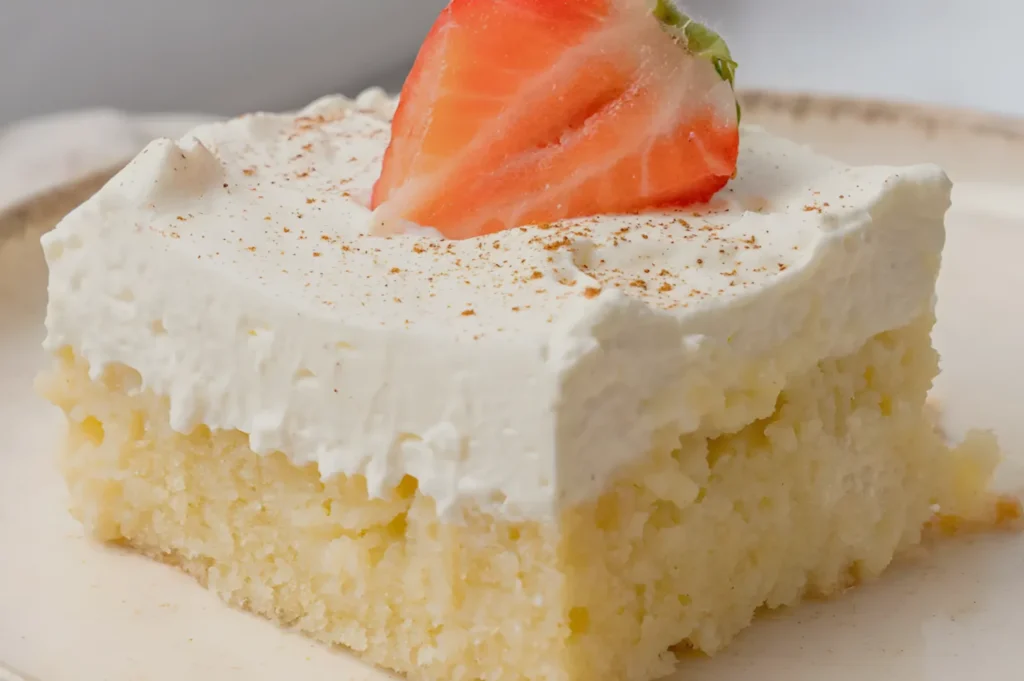
Cheesecake is dense. That density means a fork carries more per bite than it would with, say, sponge cake or a fruit tart. A thicker slice forces a bigger mouthful, and a bigger mouthful of something rich hits differently than a modest one.
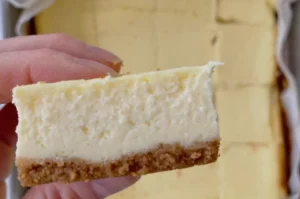
Thin slices spread the richness out. The eater tastes the surface, the edge, maybe a bit of crust, without ever getting a full cross-section in one go. Thick wedges do the opposite. Every bite is the whole cake at once: base, filling, top, all together.
Neither approach is wrong. They’re just different conversations with the same dessert.
The Logic Behind Cheesecake Portion Size
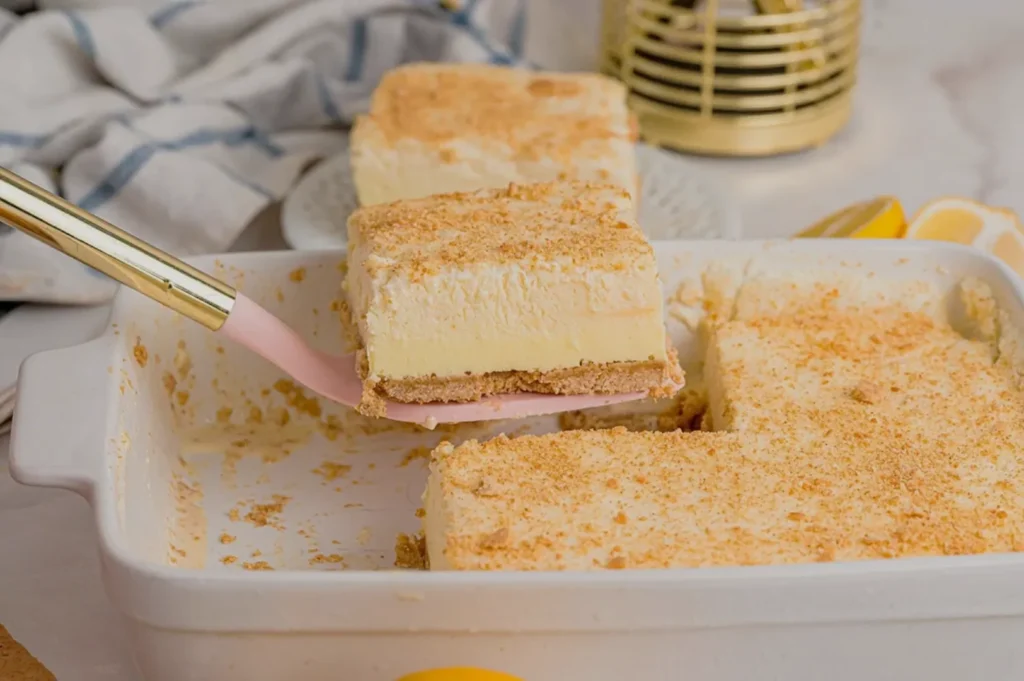
Bakeries and home kitchens tend to land on portion size for practical reasons first: how many guests, how big the pan, how far the budget stretches. But cheesecake portion size also has to answer to the cake’s own density and richness. A featherlight, cloud-style cheesecake can afford a generous slice. A dense, baked New York style usually can’t.
A few things tend to guide the decision in practice:
- Density of the filling: lighter fillings tolerate bigger portions without feeling heavy
- Sweetness level: a sweeter cake reads better in smaller portions, since the sugar compounds fast
- Occasion: a shared dessert table calls for thinner cuts, a plated dessert calls for something more substantial
- Toppings and sauces: anything added on top increases the effective richness per bite, which usually means the slice should shrink
What Changes Between the Center Cut and the Edge Cut
Even within one slice, position matters. The center of a cheesecake is usually the softest, densest part, having had the least contact with the pan’s heat. The edge is firmer, sometimes slightly caramelised where it met the tin.
A slice cut straight through the middle carries more of that soft, custardy centre. A slice from nearer the edge carries more structure and a touch more browning. Two people eating from the same cake, depending on where their piece came from, might describe the texture in almost opposite terms.
Dense Cheesecakes and Light Ones Ask for Different Knives
This sounds like a small detail, but it changes the eating experience more than most people expect. A dense, baked cheesecake needs a clean, straight cut, usually from a knife warmed slightly and wiped between slices. Anything less and the slice smears, the layers blur together, and what should be a clean wedge turns into a mess on the plate.
Lighter, mousse-style or soy-based cheesecakes behave differently. They hold their shape less rigidly, so the cut itself matters less than the portion size. Too generous a slice of something airy can still feel like a lot, simply because there’s more surface area collapsing under the fork with each bite.
| Cheesecake Style | Typical Density | Recommended Slice | Why |
|---|---|---|---|
| Baked, New York style | Dense | Thin to medium | Rich per bite, needs a clean cut |
| Basque-style (burnt top) | Dense, custardy centre | Thin | Intensely rich, small portions preserve balance |
| Soy or Japanese-style | Light, airy | Medium to generous | Lower richness allows bigger portions |
| No-bake, mousse-style | Light | Medium | Structure is soft, portion size matters more than knife technique |
How the Size of a Slice Sets the Pace of Eating
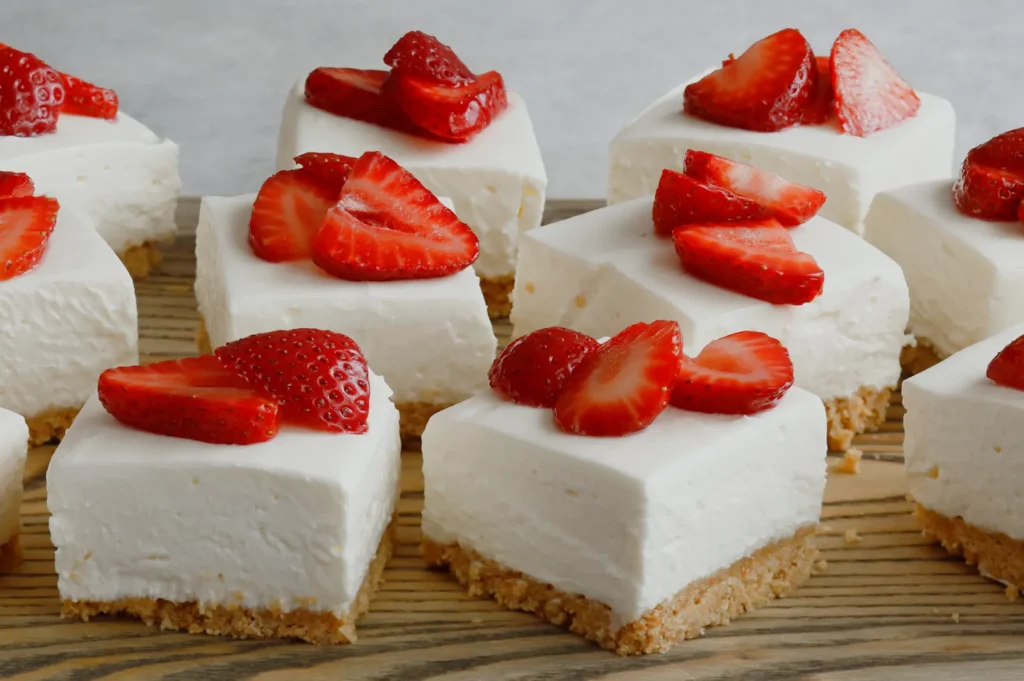
A small slice invites a slower kind of attention. There’s less of it, so the eater tends to notice more, the crust, the tang, the way the filling sits against the base. A large slice tends to be eaten faster, almost on autopilot, simply because there’s more of it to get through.
This is part of why dessert tastings and degustation menus almost always serve cheesecake in small portions. It isn’t about being stingy. It’s about giving the eater room to actually register what they’re tasting, instead of just filling up.
Portion size also shapes how a cheesecake gets remembered. A small, well-cut slice of something rich often leaves a stronger impression than a large one, because the eater finishes wanting slightly more rather than feeling slightly too full.
The Slice Is Doing More Work Than the Recipe
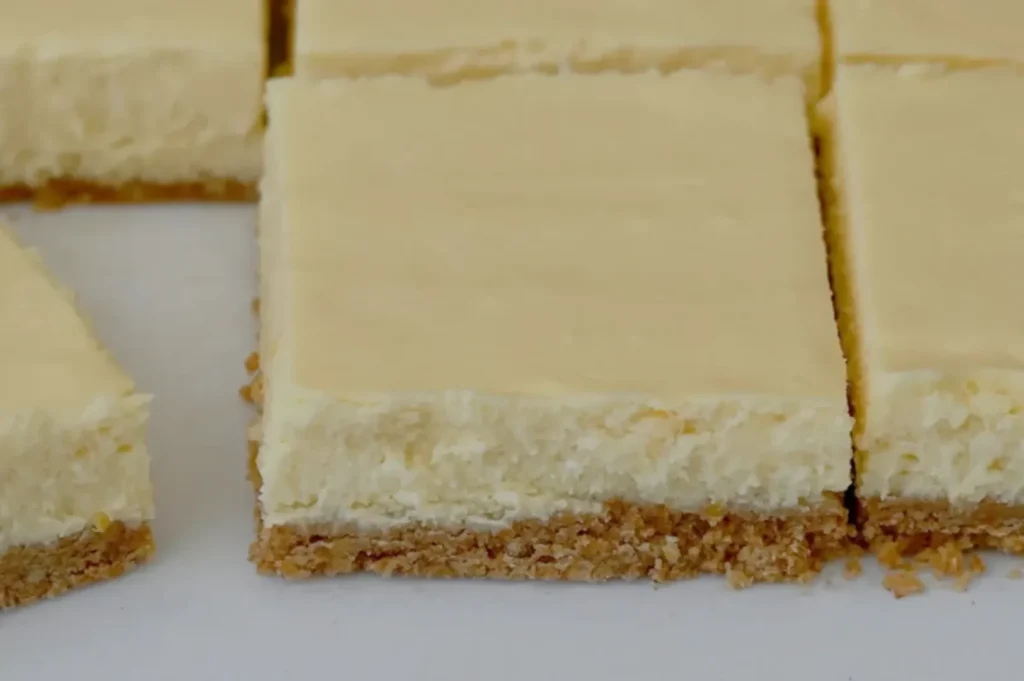
The recipe decides what a cheesecake is made of. The portion decides how that cheesecake is actually experienced at the table. A thick wedge and a thin sliver from the same pan can leave two entirely different impressions, even though nothing about the filling changed.
Cheesecake portioning, in that sense, is closer to a serving decision than a baking one. It’s the last chance to shape how something rich, dense, and carefully made actually lands with the person eating it.
At Daizu by Ki-setsu, that thinking shows up in how each soy cheesecake is cut and served, light enough in texture to allow a generous slice, balanced enough in sweetness that the portion never feels like too much. It’s less a rule than a reflection of what the cake itself was built to do.