There’s a specific kind of pause that happens at a bakery counter. Someone is standing there, looking at a whole cheesecake under glass, wondering if buying the entire thing is a decision they’re actually ready to make. Anyone who has gone looking for cheesecake in Singapore has probably had this exact moment, and it comes up more often than most people admit.
The individual vs whole cheesecake question isn’t really about greed or restraint. It’s about matching the cake to the moment. A slice and a whole cake are two different products pretending to be the same dessert, and once that’s clear, choosing the right one gets a lot easier.
There’s no perfect answer that works for every place or every craving. Some days call for a slice eaten standing at the counter. Others call for a whole, delicious cake with a plan behind it.
Individual vs Whole Cheesecake: What's Actually Different
A whole cheesecake needs structural integrity. It has to survive slicing, plating, and the wait while someone finds a server who won’t wreck the crust getting it to the table. That’s a lot to ask of something built mostly from cream cheese and eggs.
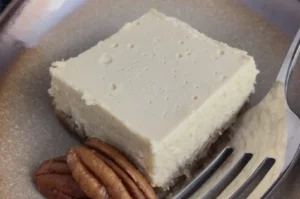
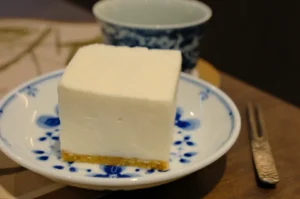
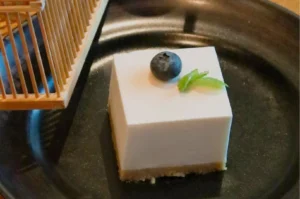
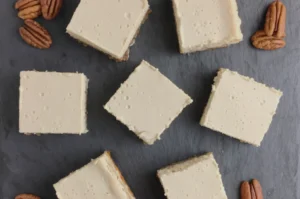
Individually portioned cheesecake skips that problem. Each one is already its own serving, set on its own, so there’s no cutting involved and nothing sliding out onto the plate before the edges catch up.
Format | Serving | Baking | Best for |
|---|---|---|---|
Whole cheesecake | Must be sliced, some collapse risk | Longer, less even | A single showpiece dessert |
Individual portions | Pre-portioned, ready to eat | Faster, more even | Sharing, gifting, portion control |
Just One Slice: Why It's Sometimes the Only Order That Makes Sense
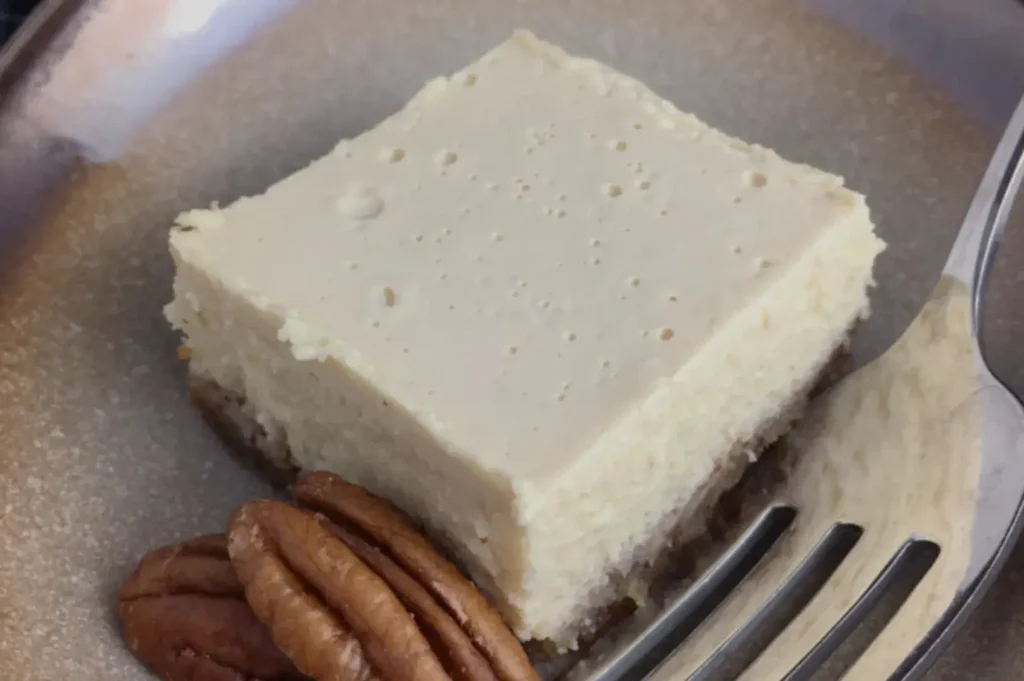
Ordering just one slice is rarely about not loving cheesecake enough. It’s usually about timing. A slice after dinner, at the end of a meal already full of courses, doesn’t need to be a production.
There’s also the price of admission to consider. A single slice lets someone taste a flavor without committing to a whole cake sitting in the fridge for a week. It’s a low-risk way to explore a new crust or a new texture before deciding it’s worth the bigger order.
Choosing a slice also means someone else at the table gets to enjoy a completely different flavor, so nobody has to choose and agree on one cake for the whole group. At a restaurant, the tax and tip on one course is a lot easier to justify than the price of a whole cake nobody asked for.
A few reasons a slice wins:
No storage decisions to make afterward
Easier to split the cost with a table
Room to order dessert without derailing the pace of the meal
Lower price point for trying something unfamiliar
The Whole Cheesecake Case: New York Cheesecake and the Math of a Whole Cake
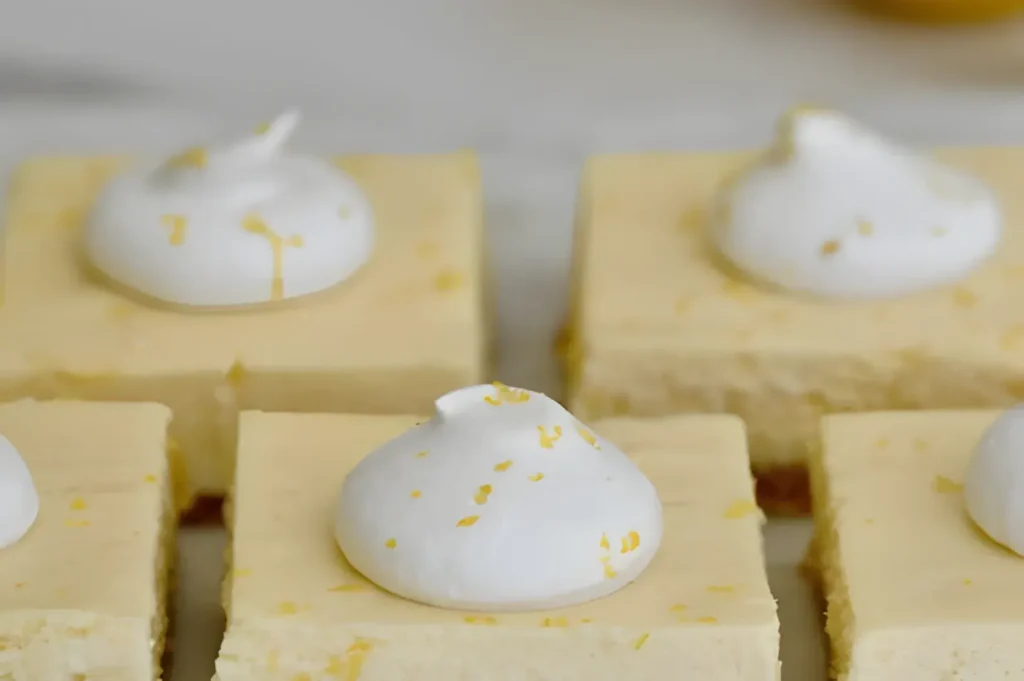
A New York cheesecake is dense, rich, and built to be cut into generous portions. That density is exactly why buying the whole cake starts to make financial sense once more than two or three people are involved.
Do the math on a chain bakery versus a whole cake picked up from any location and taken home. Compared slice for slice, a whole cake is almost always cheaper, once tax and a server’s tip are factored into the restaurant version. That’s real money saved, once the ingredients, cream cheese, eggs, sugar, are priced in.
There’s a practical side too. Once it’s decided that a whole cake is the right call, that cake can freeze instead of being consumed all at once. Wrapped properly in plastic wrap, a New York style cheesecake holds its texture in the freezer for weeks, ready whenever the craving returns, no wait beyond a slow thaw wherever it’s stored. For a larger household, that’s the difference between one dessert and a month of them.
A slice from that same cake doesn’t have to feel like a compromise either. A generous cut, handled with a bit of touch and care by whoever holds the knife, changes the entire calculation.
Basque Cheesecake Throws Off the Comparison
Basque cheesecake complicates the usual logic. It’s meant to be eaten warm, close to the oven, with that scorched top and loose, almost custardy center. A slice held for later loses something a New York cheesecake would keep just fine.
For a Basque cheesecake, buying the whole cake and serving it fresh, in one sitting, often makes more sense than trying to save a portion. The cake was never really designed for the fridge in the first place.
Why Smaller Portions Solve a Problem the Whole Cake Never Did
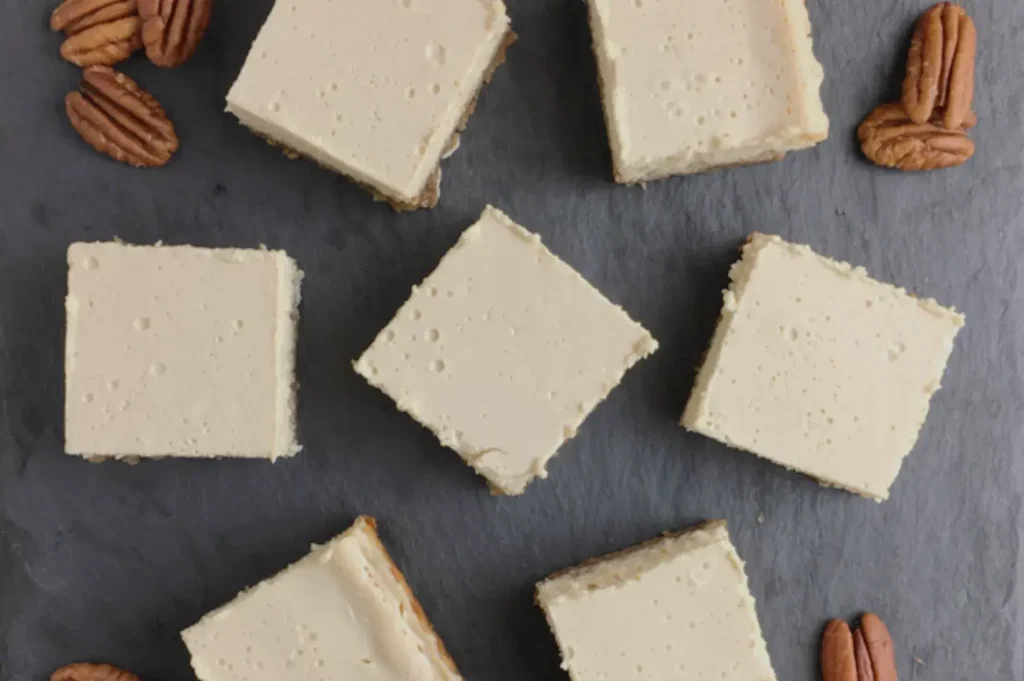
A nine-inch cheesecake is famously easy to overbake or underbake by just a couple of minutes, and a full-size pan doesn’t forgive that easily. Smaller, individual portions bake faster and more evenly, which cuts down on the guessing over whether the center has actually set.
This is also where a water bath usually comes in for a whole cake, gently protecting the edges from cooking faster than the middle. Individually portioned cheesecake, because it’s smaller, usually skips that step altogether without losing the texture that makes a proper bake worth the effort in the first place.
The crust plays its part too. Graham cracker crumbs and melted butter, pressed firmly into place, are what nearly every version of this base comes down to. Too much butter and it turns greasy, too little and it won’t hold, so getting that ratio right matters just as much in a small portion as it does in a full cake.
A few things smaller portions get right:
Bake faster and more evenly, so there’s less guessing at doneness
Often skip the water bath without sacrificing texture
Freeze, travel, and store without needing a cake stand or careful handling
Offer a full dessert experience without committing to an entire cake’s worth of cream cheese
Traditional Cheesecake, the Fridge, and the Freezer Test
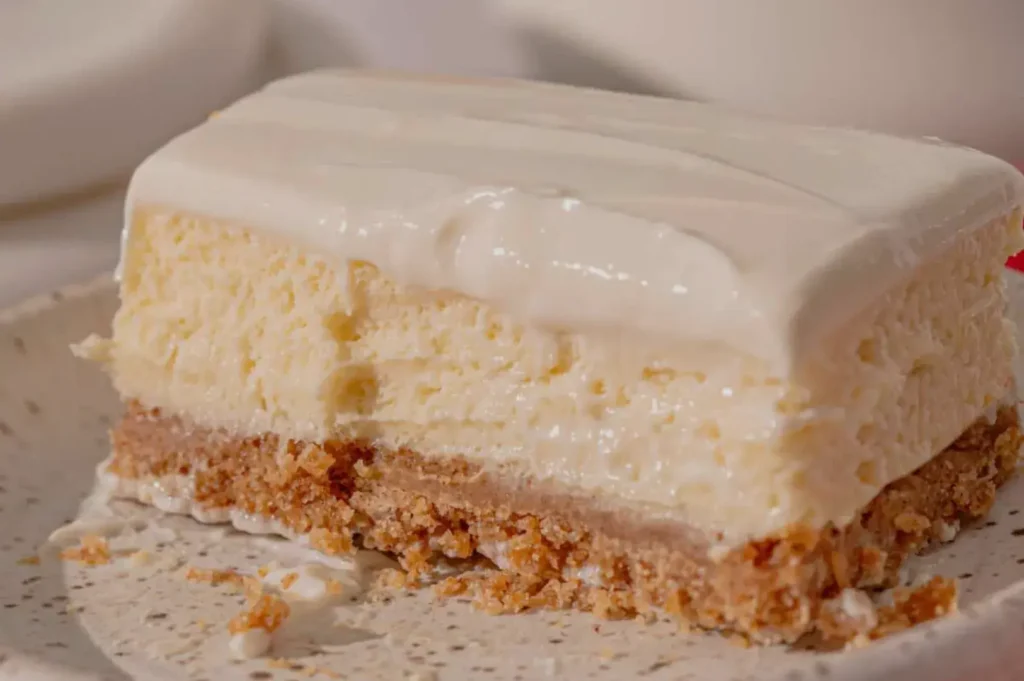
Traditional cheesecake, the kind built on cream cheese, eggs, and sugar in a fairly classic ratio, tends to store well either way. A slice keeps in the fridge for a few days without much change in its creamy texture or flavor. Some versions lean lighter than others, but the storage logic barely changes either way.
The cream cheese itself makes a real difference. Full fat cream cheese gives a dense, creamy result, while a lower fat version tends to loosen the filling and leave it a touch less rich. Whatever the choice, it needs to come to room temperature before mixing, since cold cream cheese clumps instead of blending smoothly.
A whole traditional cheesecake, on the other hand, rewards a little planning. Cut it into one third portions or quarters before storing, wrap each portion separately, and it becomes several ready-to-eat desserts instead of one large decision waiting in the fridge. There’s no need to worry about waste either, since making that small effort upfront can save a slice for a week or two down the line, without needing dozens of containers to do it.
People Who Love Cheesecake Still Split on This
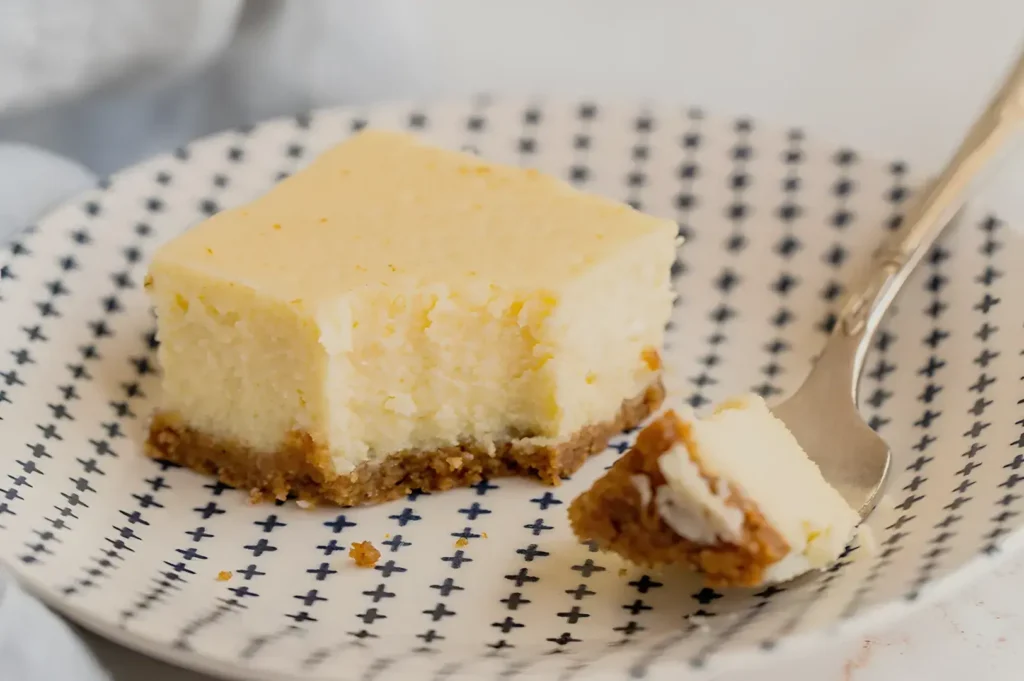
Ask around and people who genuinely love cheesecake tend to fall into two camps without much overlap. One group treats it as an occasional, deliberate dessert, worth a single well-chosen slice. The other buys the whole cake because a slice never feels like enough once the first bite is finished.
Neither instinct is wrong. It says more about how someone eats than what cheesecake actually is. Some people want a slice ready in the fridge for a quiet Tuesday. Others want the full cake on the table because dessert, to them, is a shared event, and a little decadence is better shared than eaten alone.
Individual vs Whole Cheesecake: The Good Thing Is It Comes Down to Control
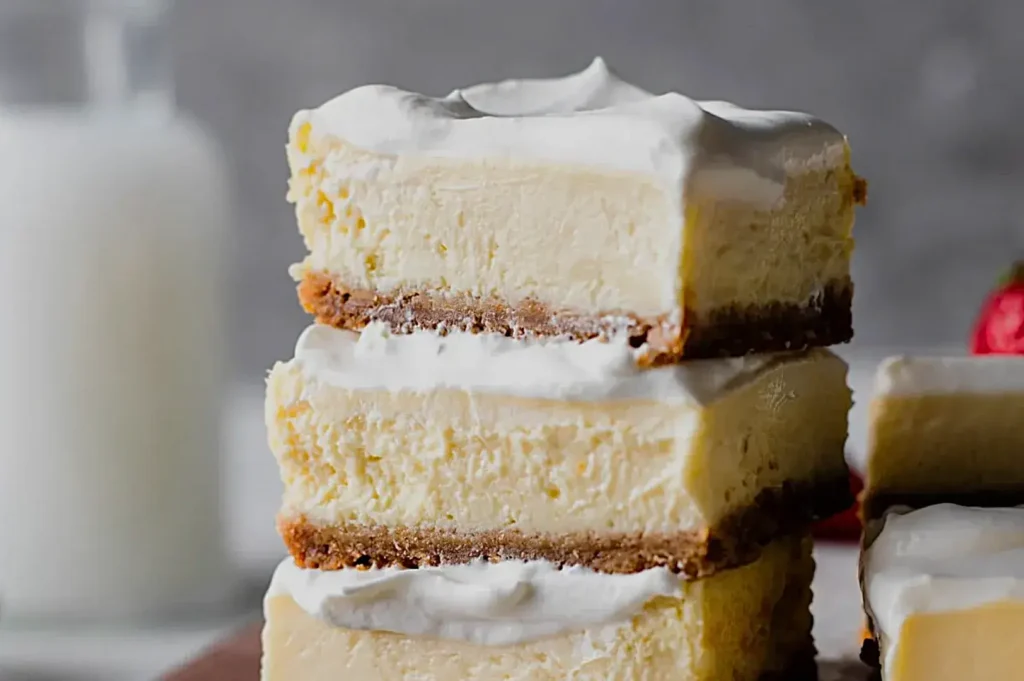
The individual vs whole cheesecake question was never really about which format tastes better, since a well-made filling doesn’t know or care what shape it ends up in. It comes down to control: over portion size, over baking time, over how much cleanup is involved, and over whether dessert needs a serving knife or just a fork.
A slice makes sense for a dinner that already has enough courses. A whole cake makes sense for a table, a birthday, or a fridge that’s about to get a lot more interesting for the next week. The good thing is that cheesecake, in either form, holds up to the choice.
That same instinct, choosing a size on purpose rather than defaulting to whichever is in front of someone, is close to how Daizu by Ki-setsu approaches its soy-based cheesecakes. Portions are kept deliberately considered rather than built around volume, which keeps texture consistent from one bite to the next and makes the format itself part of the decision, not an afterthought.