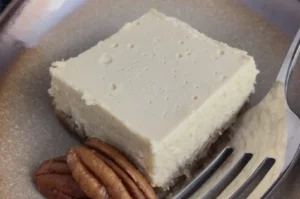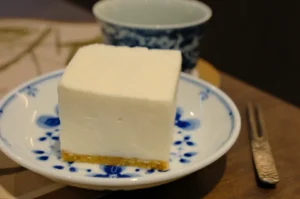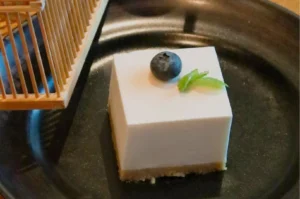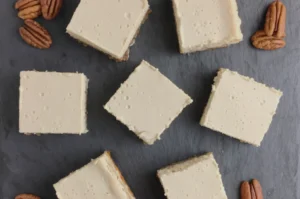
Someone unwraps a slice at a café, expects the usual dense, tangy hit of a New York Cheesecake, and gets something closer to a warm cloud instead. That first bite of Japanese cheesecake tends to catch people off guard. It jiggles. It barely tastes sweet. And somehow it still feels like cheesecake.
That contrast is really the whole story. Western cheesecake, sometimes called New York cheesecake, is built on richness and density. Japanese cheesecake is built on restraint. Understanding why takes a look at what happens in the mixer bowl and the oven, and why doing less, at almost every step, is the point.
What Japanese Cotton Cheesecake Actually Refers To
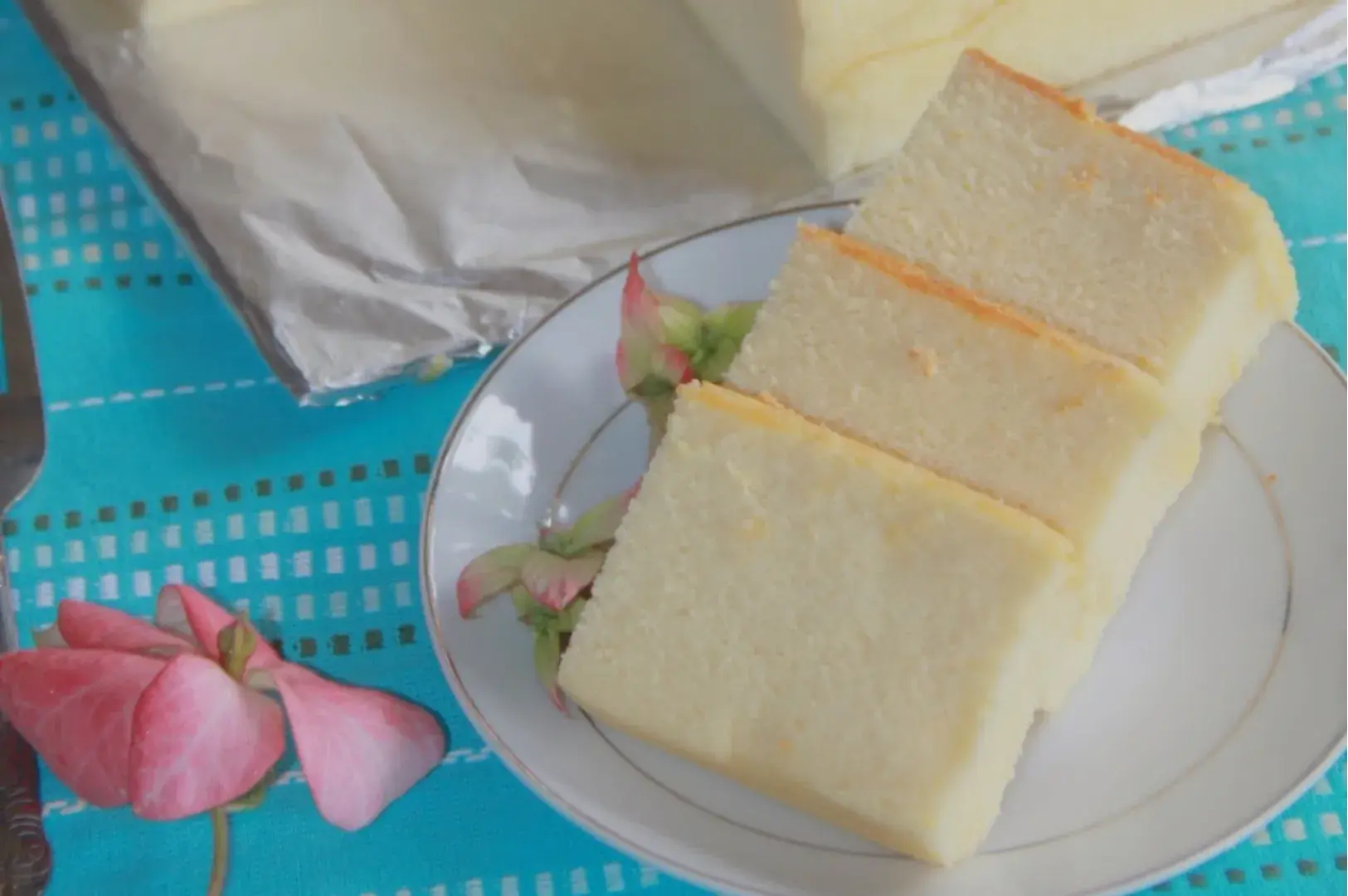
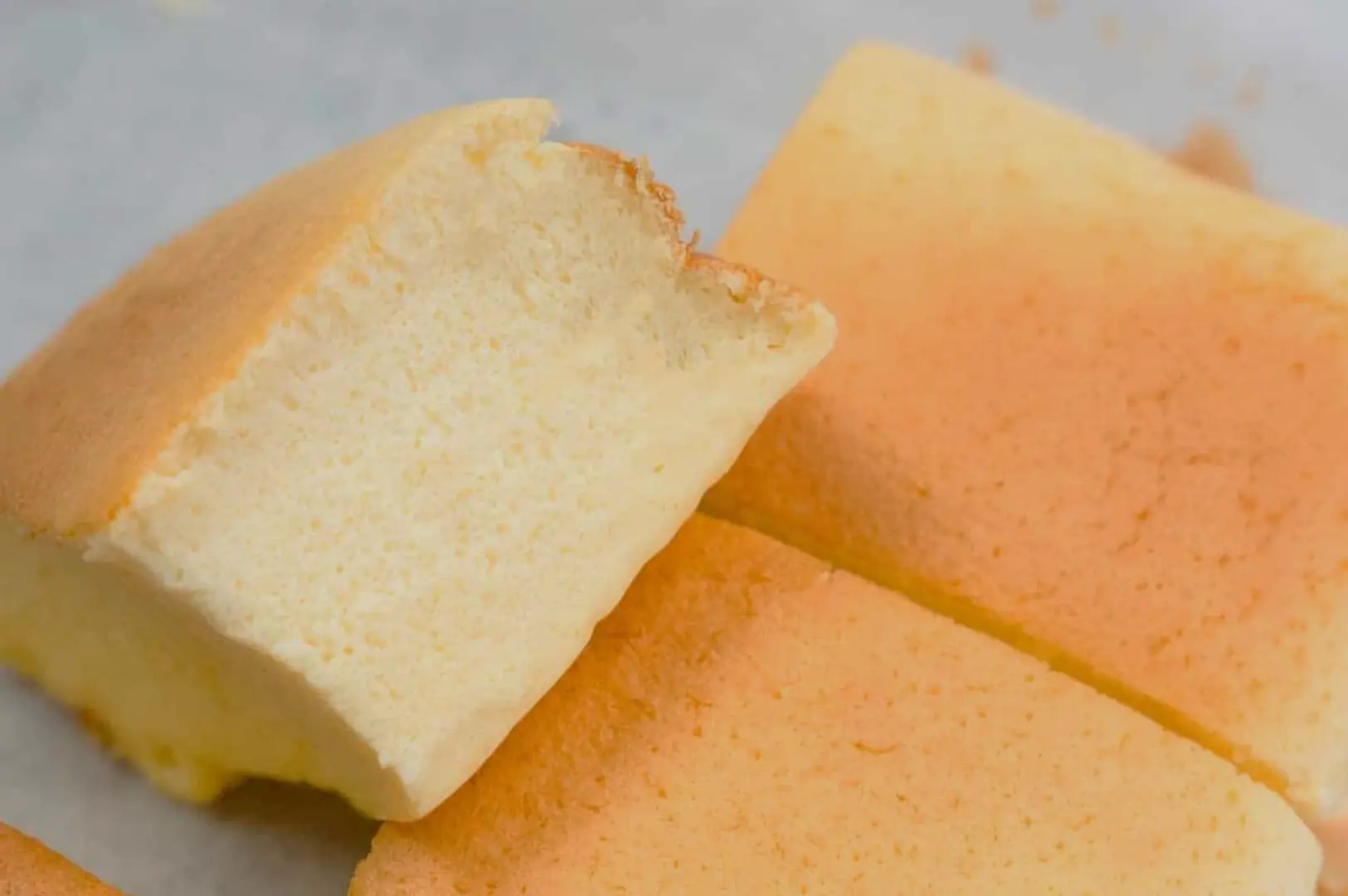
The nickname Japanese cotton cheesecake is not just a marketing flourish. It describes the texture: light, slightly springy, almost like it could be pulled apart in soft layers rather than sliced.
That texture comes from air, not fat. A regular cheesecake Singapore gets its richness from a dense concentration of cream cheese and eggs, baked just enough to set. This version treats air as an ingredient in its own right, whipped in and protected all the way through baking, which is closer to how a chiffon cake is built than how a dense baked cake usually comes together.
Why the Cream Cheese Batter Behaves Differently From a Regular One
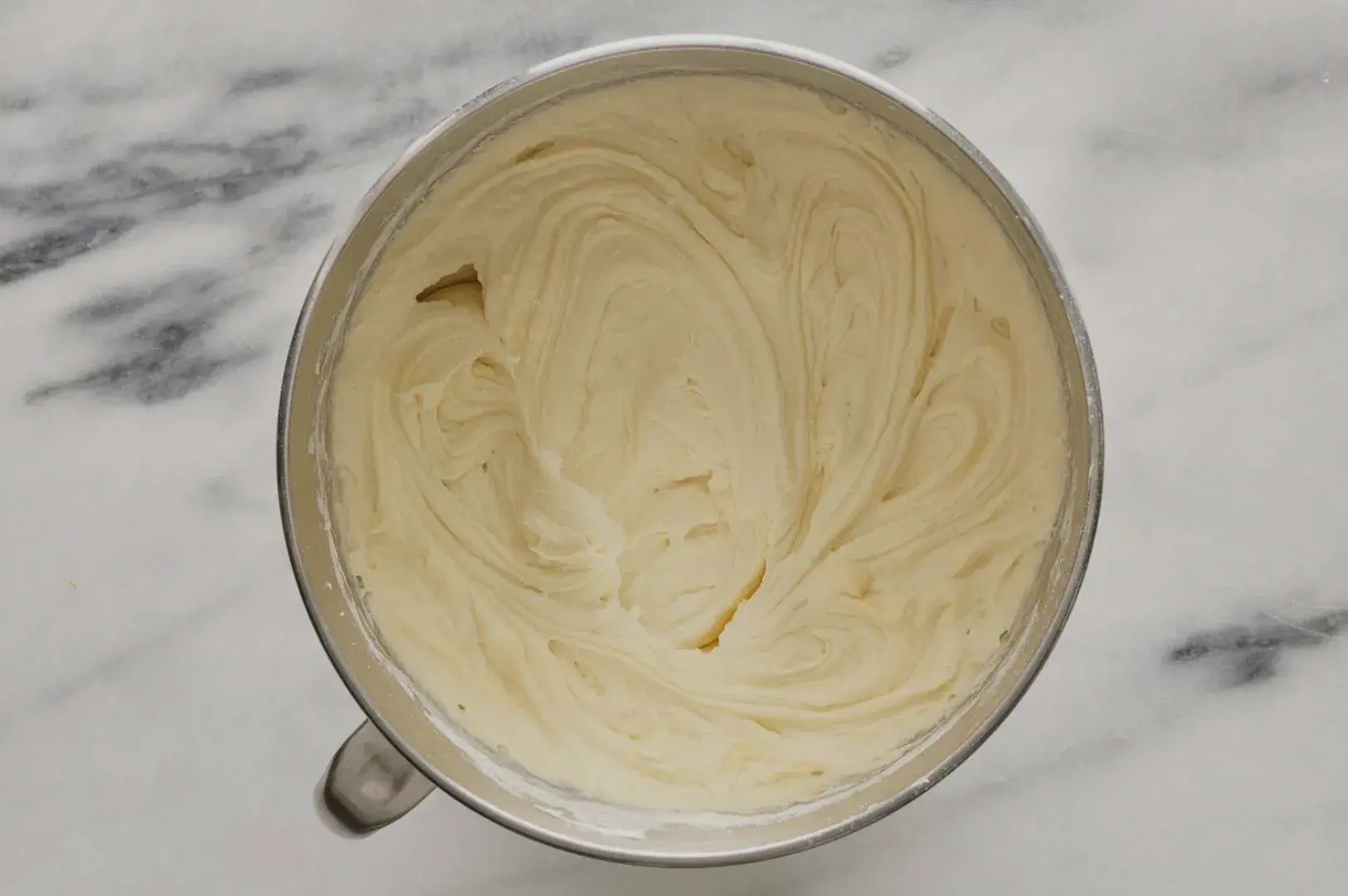
A standard cream cheese batter is one mixture, blended until smooth and poured straight into the pan. Japanese cheesecake batter is really two mixtures pretending to be one.
There is a cream cheese mixture made from softened cream cheese, unsalted butter, egg yolks, a touch of lemon zest, and a little flour, and separately, a large bowl of whipped egg whites. The two get folded together right before baking, and how gently that folding happens determines whether the final cake rises evenly or collapses into something sad and flat.
Egg Whites, Egg Yolks, and the Job Each One Does
Egg yolks go into the base mixture for richness and structure. They carry fat, and fat is what gives the crumb its softness once the cake batter sets.
Egg whites do the heavy lifting for texture. Whipped in a stand mixer to soft peaks rather than stiff peaks, they trap air without becoming too rigid to fold. Overwhip them and the foam turns brittle, tearing instead of blending, which shows up later as cracks and an uneven soufflé cheesecake rise.
The Case for a Water Bath (or Bain Marie, Depending Who's Asking)
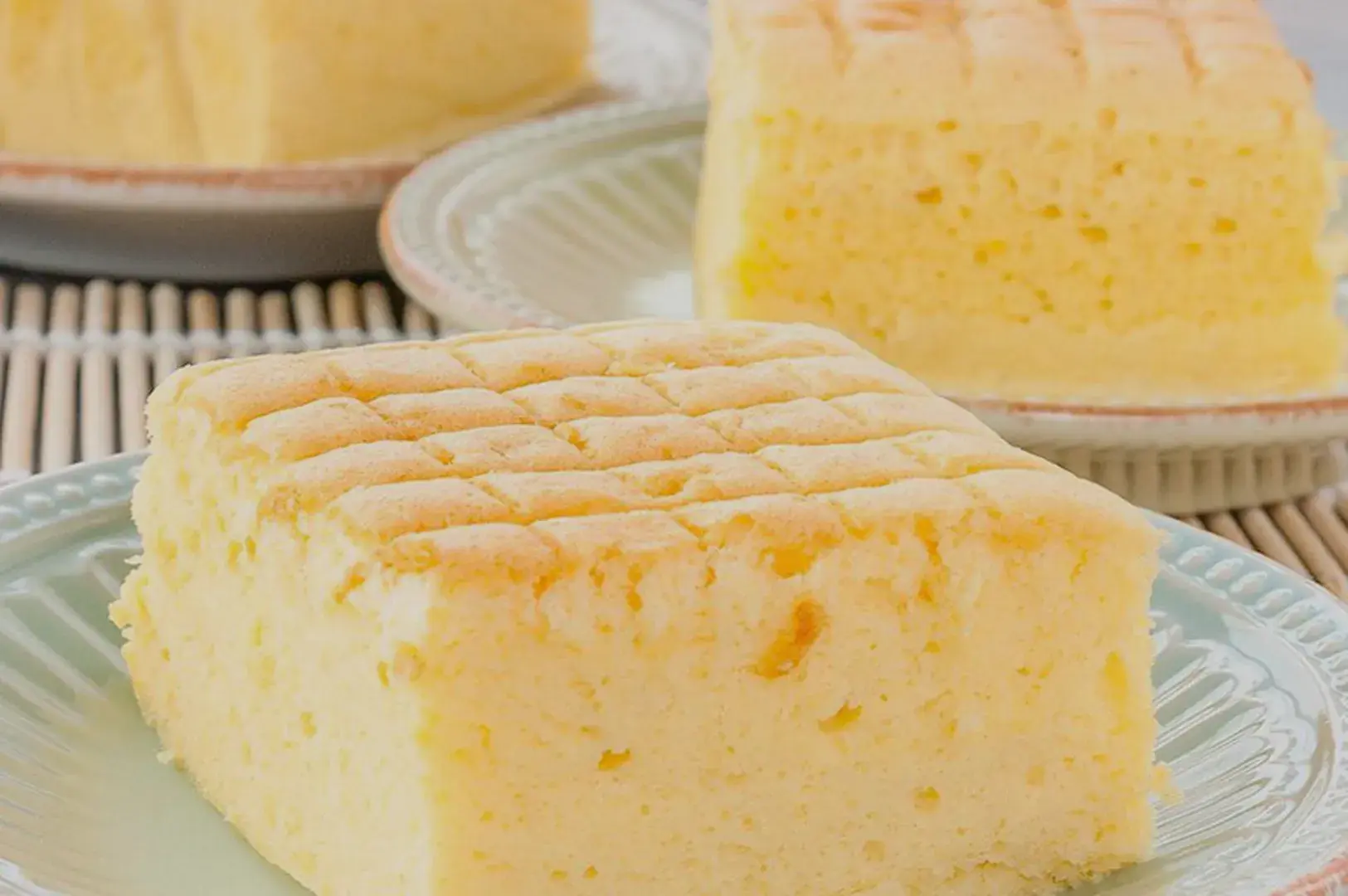
Ask a baker why this cake needs a water bath and most will say the same thing: gentleness. Whether someone calls it a water bath or a bain marie, the idea is identical. Surround the cake pan with hot water so the heat reaching the batter is slower and more even than direct oven heat.
Skip it, and the outside of the cake cooks faster than the inside, which is how cracks and a rubbery edge happen. The water bath is not decoration. It is the entire reason a Japanese soufflé cheesecake stays soft instead of turning into a York cheesecake with a stiffer, denser crumb.
Setting Up a Hot Water Bath Without Overthinking It
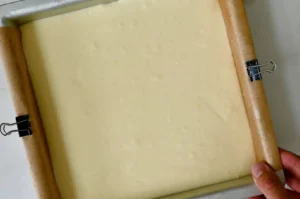
A hot water bath does not need to be complicated. A deep baking tray, a cake pan wrapped in foil to keep water out, and enough hot water to reach about halfway up the sides of the pan is usually enough.
The water does not need to be boiling. Hot from the tap or freshly boiled and slightly cooled both work, as long as it is warm enough to slow the heat down rather than cold enough to shock the batter.
Choosing the Right Cake Pan
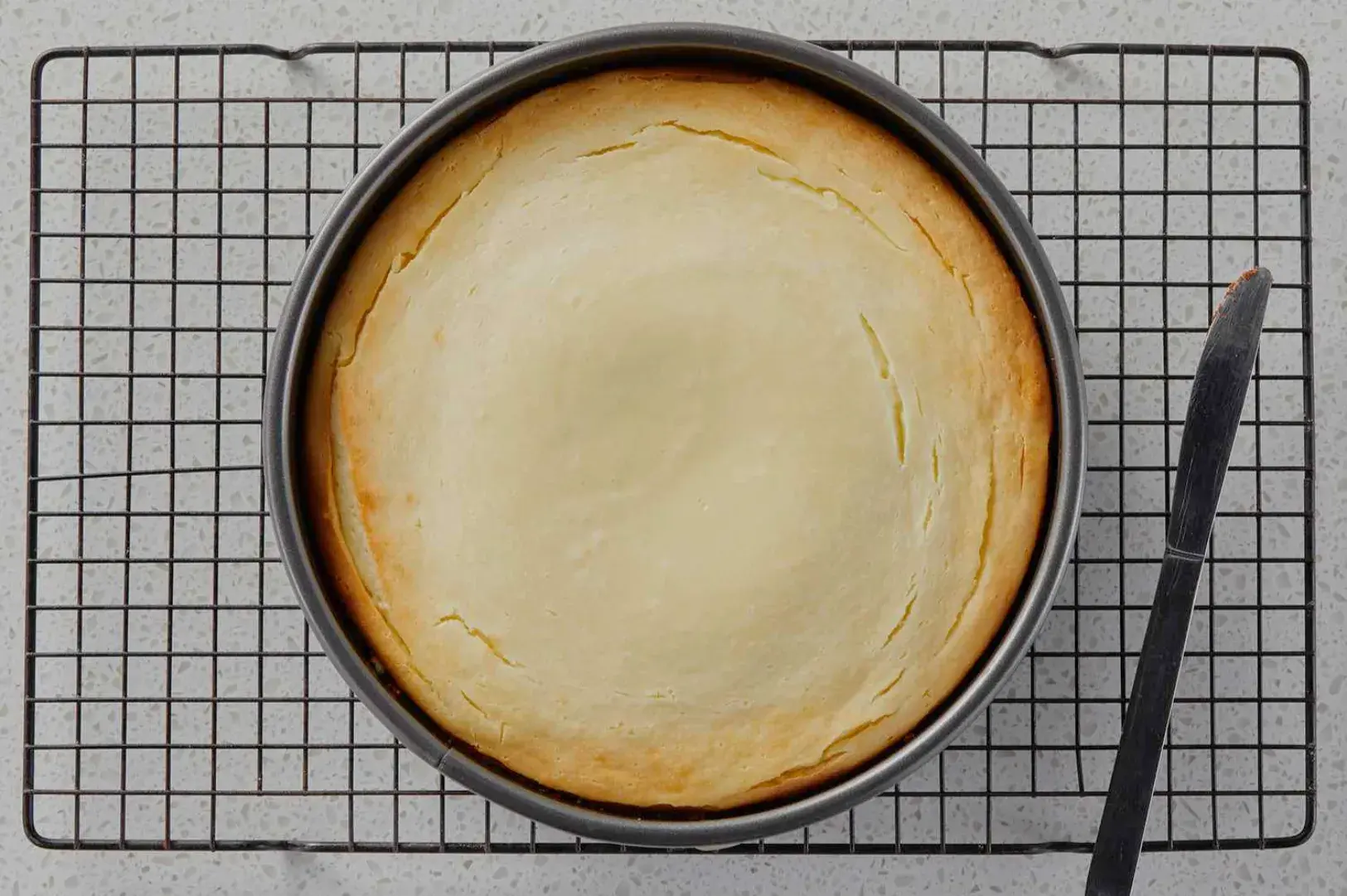
The cake pan matters more here than in most baking. A springform pan, so common everywhere else, is a liability in a water bath unless it is very well sealed, since water tends to find its way through the seams and pool around the cake pan inside.
A solid round cake pan, lined with baking paper on the base and wrapped underneath with foil, tends to be the safer choice. It keeps water out and makes it easier to lift the finished cake without disturbing its fragile top.
What Goes Into a Basic Japanese Cheesecake Recipe
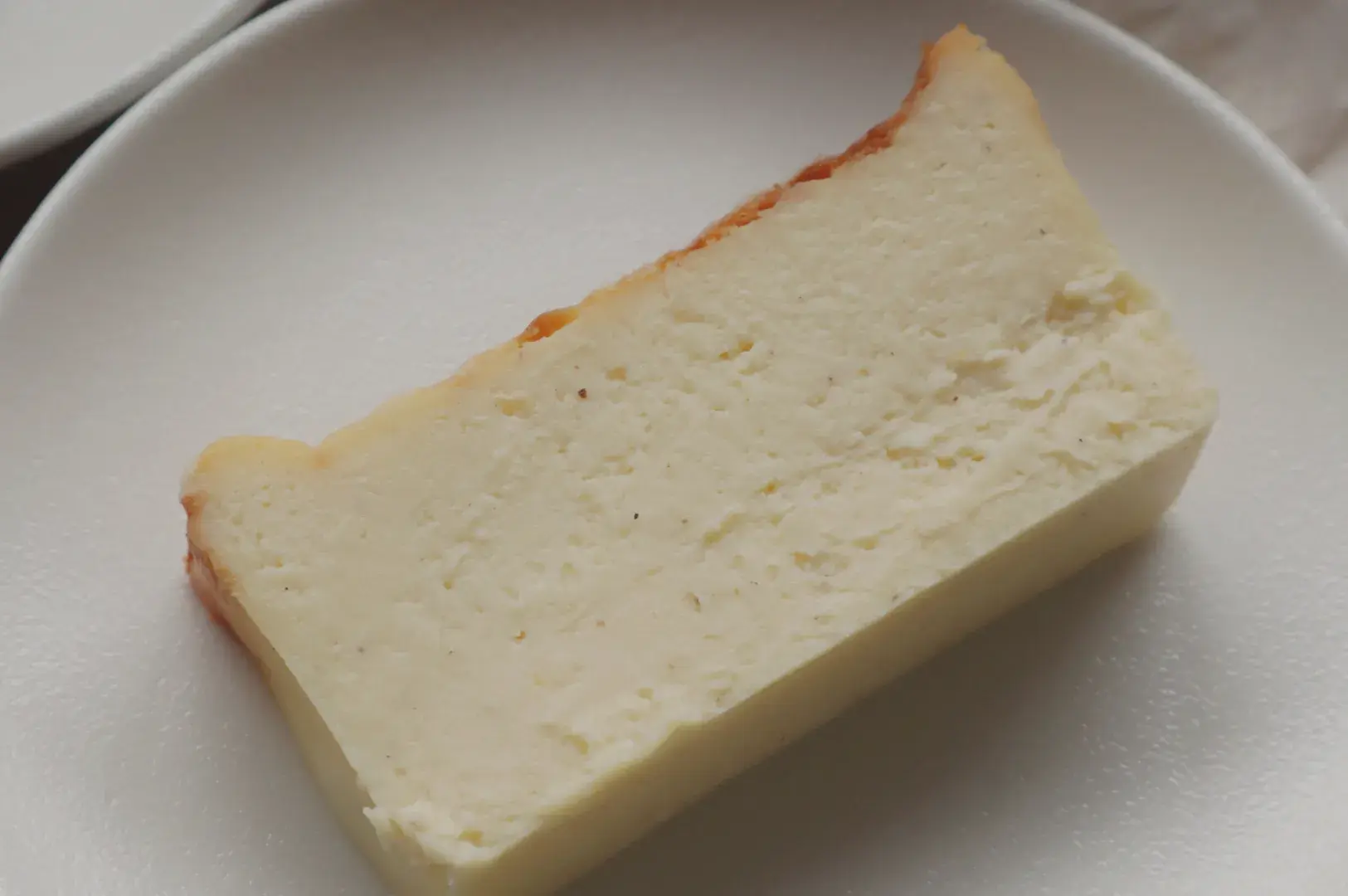
A basic Japanese cheesecake recipe does not ask for much. Cream cheese, unsalted butter, egg yolks, egg whites, sugar, lemon juice and lemon zest, a little all purpose flour, and either whole milk or heavy cream cover most versions. Matcha powder or melted chocolate can be folded in for variation, turning it into a chocolate Japanese cheesecake without changing the underlying method.
What separates a good result from a mediocre one is rarely the ingredient list. It is technique: how gently the mixture is folded, how patiently it bakes, how long it rests before the oven door opens. Most recipe developers who work on this style will say the same thing, that the method matters more than any single ingredient.
Where All Purpose Flour Fits In
All purpose flour shows up in small amounts, usually just enough to give the batter a light structure without weighing it down. This is not a cake trying to be bread. The flour is there to stabilise, not to bulk things up, which is part of why the finished texture stays so soft.
Making Japanese Cheesecake Without Overcomplicating the Oven
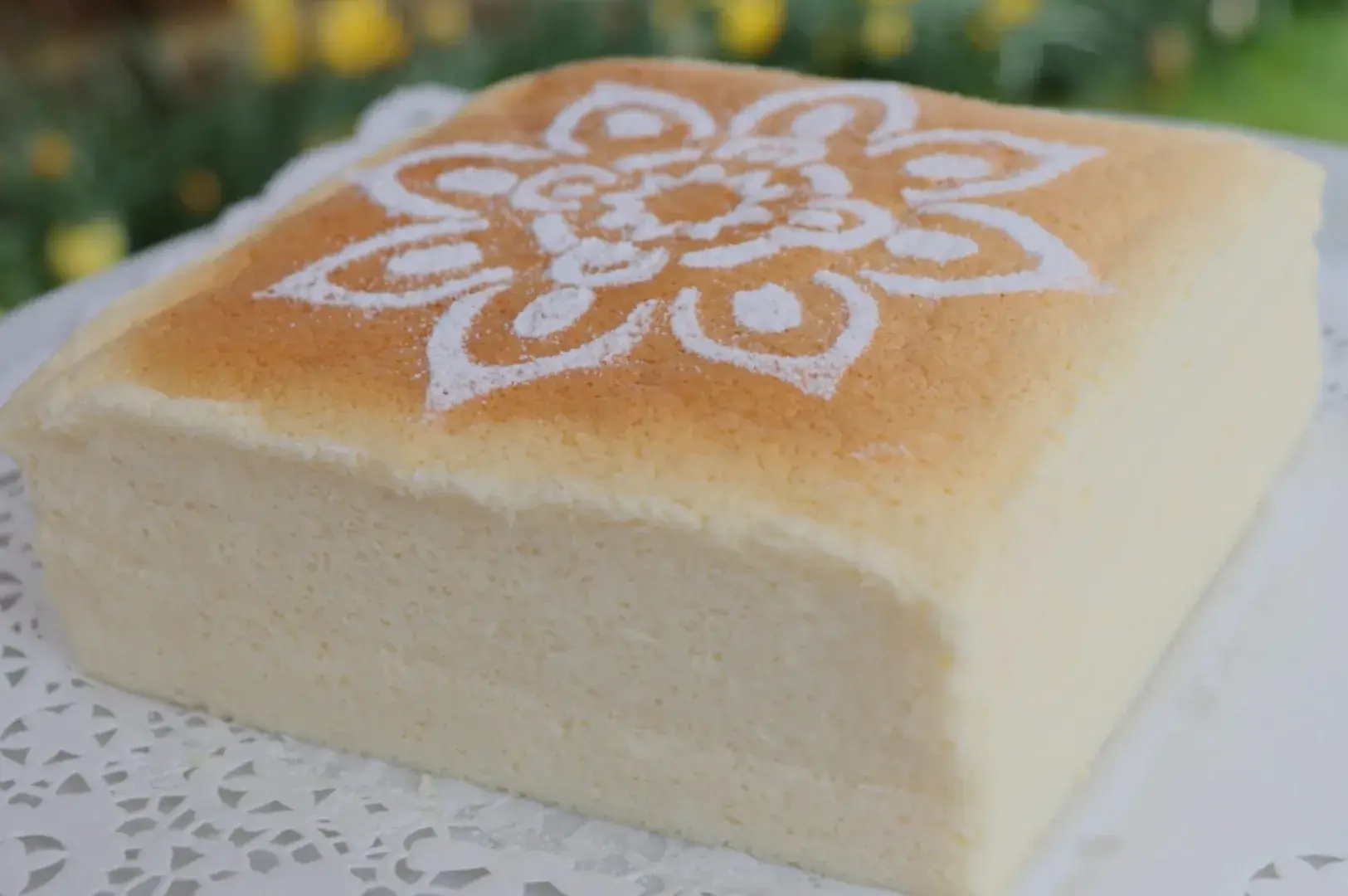
Making Japanese cheesecake at home usually comes down to oven behaviour more than anything else. A convection oven runs hotter and drier than a conventional one, so the fan often needs to be turned off or the oven temperature dropped slightly to avoid drying out the top before the inside sets.
Positioning matters too. The oven rack usually sits in the middle, keeping the cake at the same temperature on all sides rather than closer to the direct heat at the top or bottom.
Reading the Cake Instead of the Clock
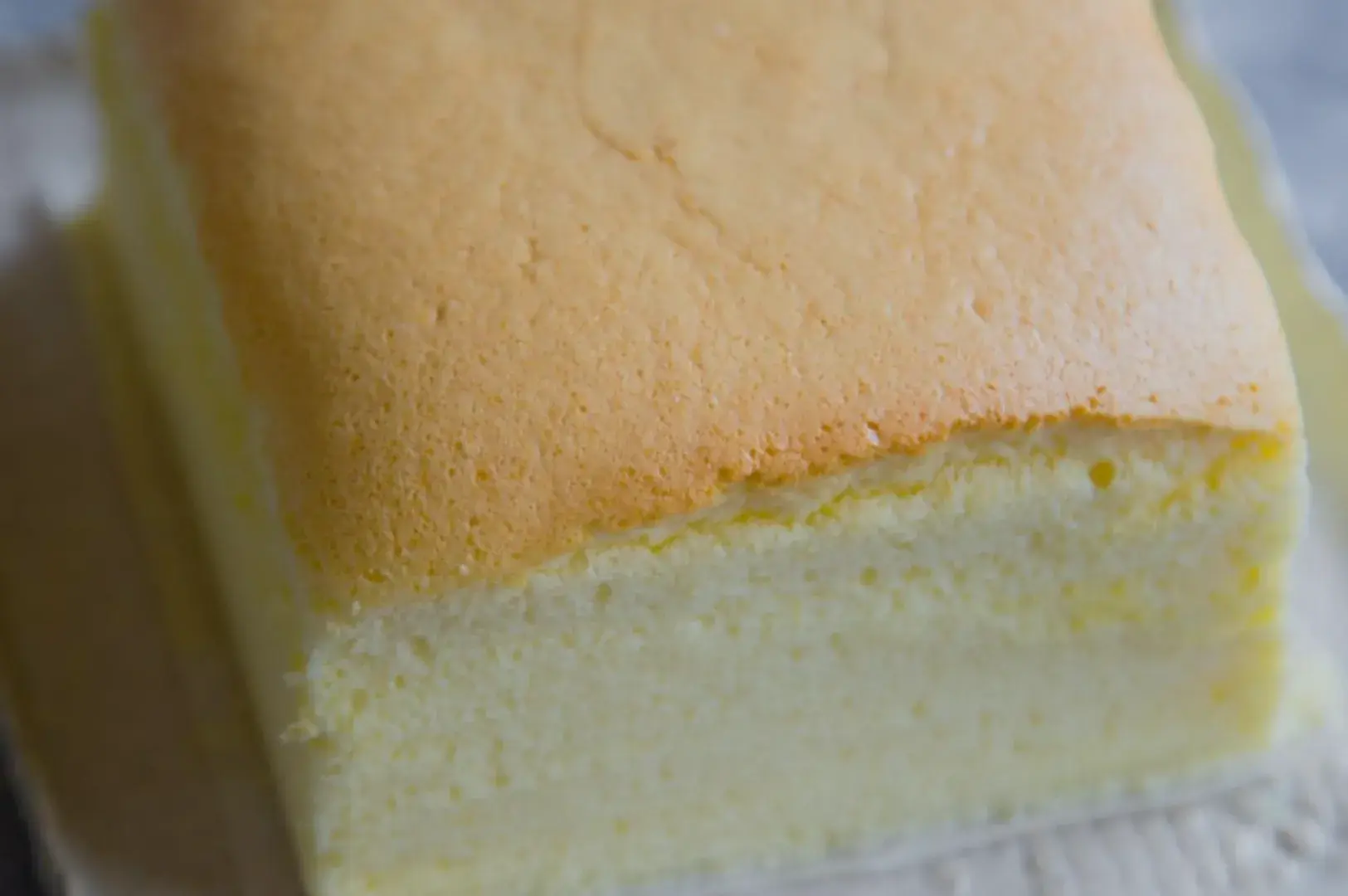
Cook time is a guide, not a guarantee. Ovens vary, and two people using the same Japanese cheesecake recipe can end up needing different amounts of time to reach the same result.
The better approach is to watch the cake itself. A gentle jiggle in the centre once the edges have set to golden brown usually means it is close. If the top still looks pale and wet, it needs to continue baking a little longer before coming out.
What a Properly Baked Cake Should Look and Feel Like
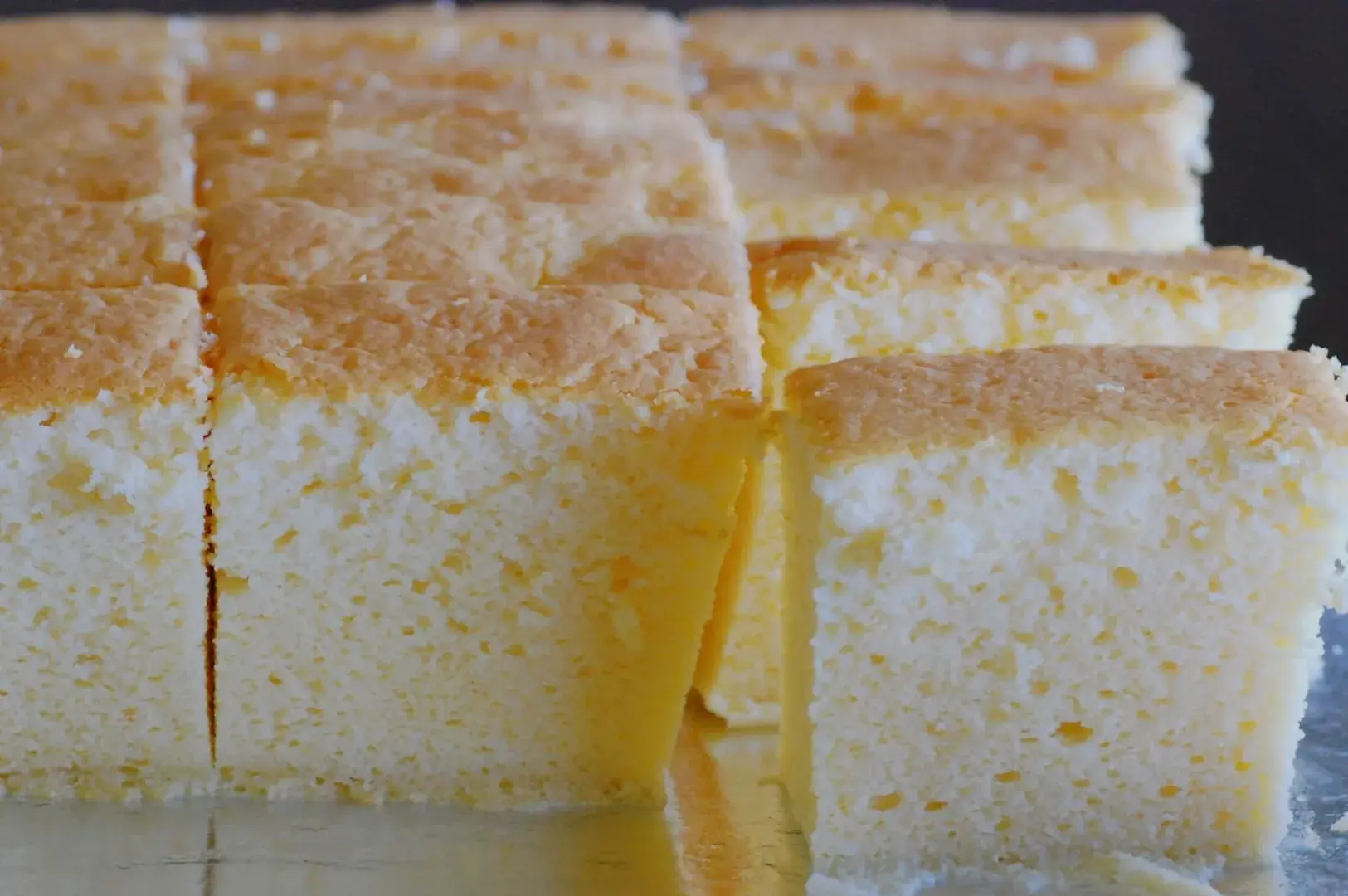
A well baked cake in this style has a golden brown top, a slight give when pressed gently, and sides that have pulled just slightly away from the cake pan. The cheesecake top should look smooth, not sunken or cracked.
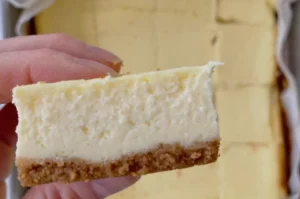
Cut into it, and a slice of Japanese cheesecake should hold its shape while still looking soft, almost like it is still slightly wobbling even after it has fully cooled.
Getting to a Fluffy Japanese Cheesecake, Not Just a Tall One
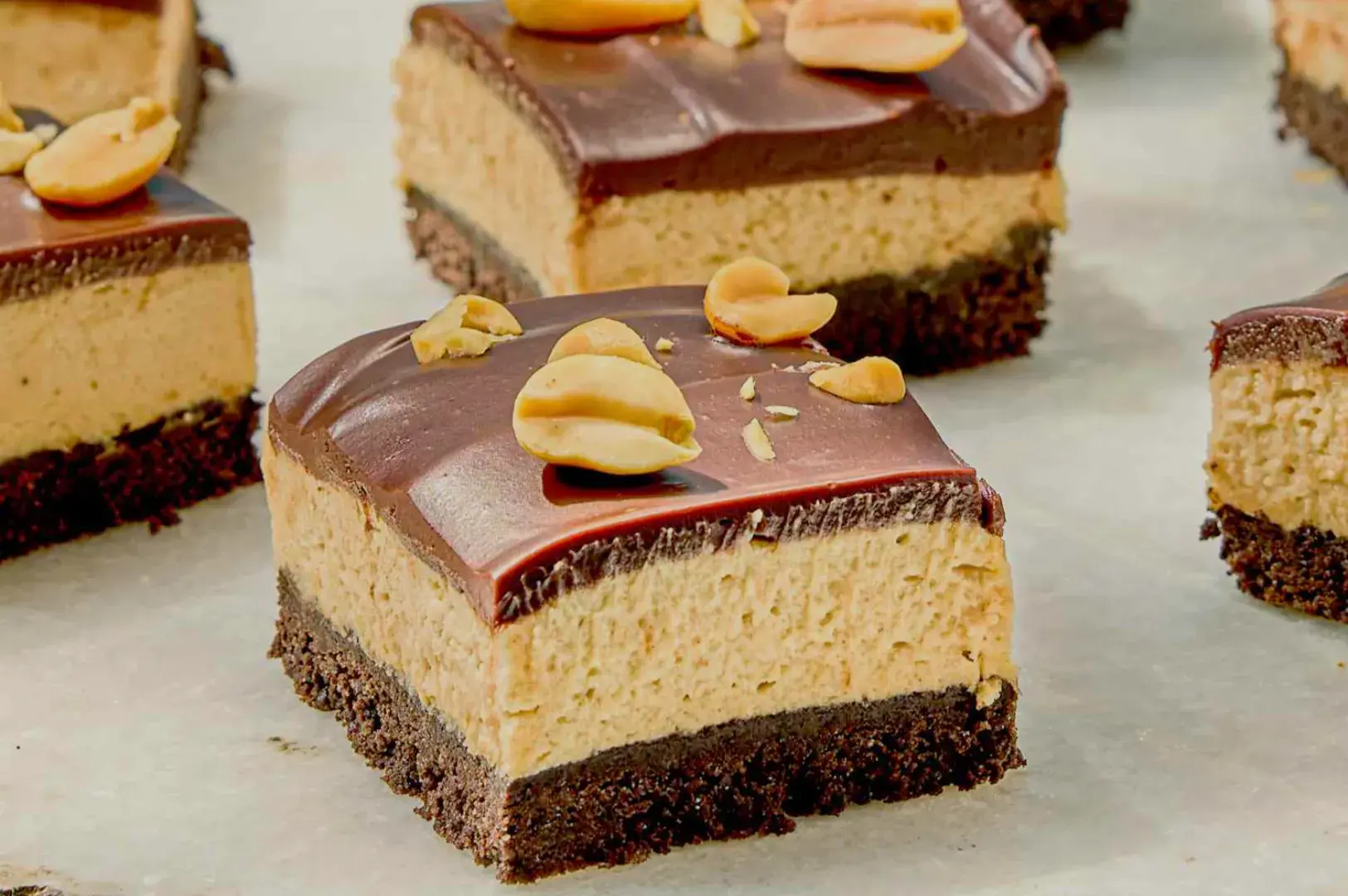
It is tempting to judge a fluffy Japanese cheesecake by how high it rises in the oven, but height is not really the goal. A cake can rise dramatically and still fall flat in flavour and texture if the folding was rushed or the mixer speed was too aggressive when the egg whites went in.
The better measure is what happens after it cools. Does it hold its fluffy texture without deflating completely. Does the crumb still carry that light texture and airy texture similar to a proper chiffon, not just on the first slice but the second one too, once it has settled to room temperature.
Bringing Ingredients to Room Temperature Before Anything Else
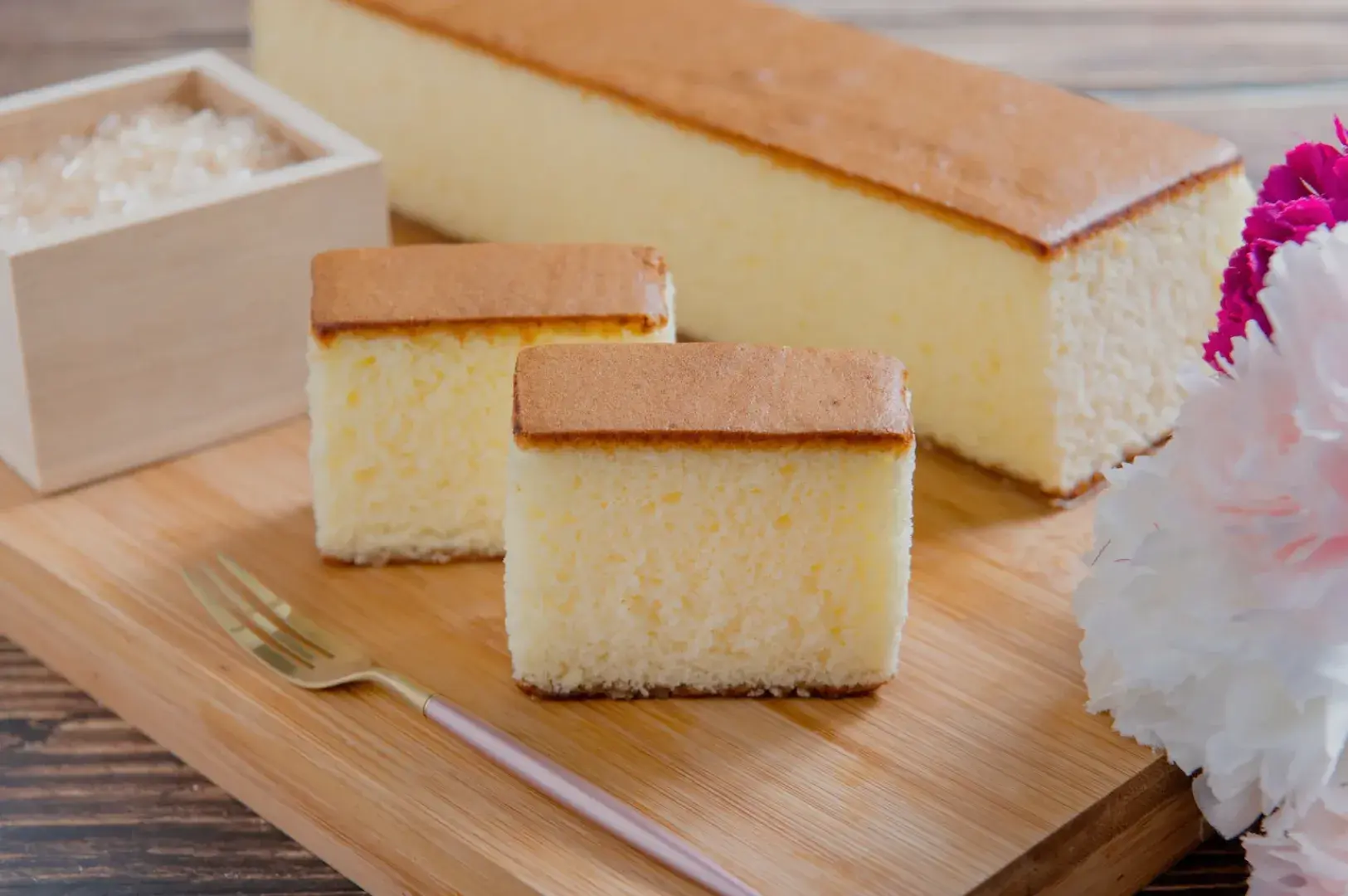
Most of the trouble people run into with this cake starts before the oven is even on. Cream cheese, unsalted butter, and eggs all need to be at room temperature, otherwise the cream cheese mixture ends up lumpy and resists folding evenly with the whipped whites.
Cold ingredients also mix unevenly in a stand mixer, forcing higher mixer speeds to smooth things out, which knocks air out of the batter before it even reaches the cake pan.
What This Means for Anyone Following a Recipe Card
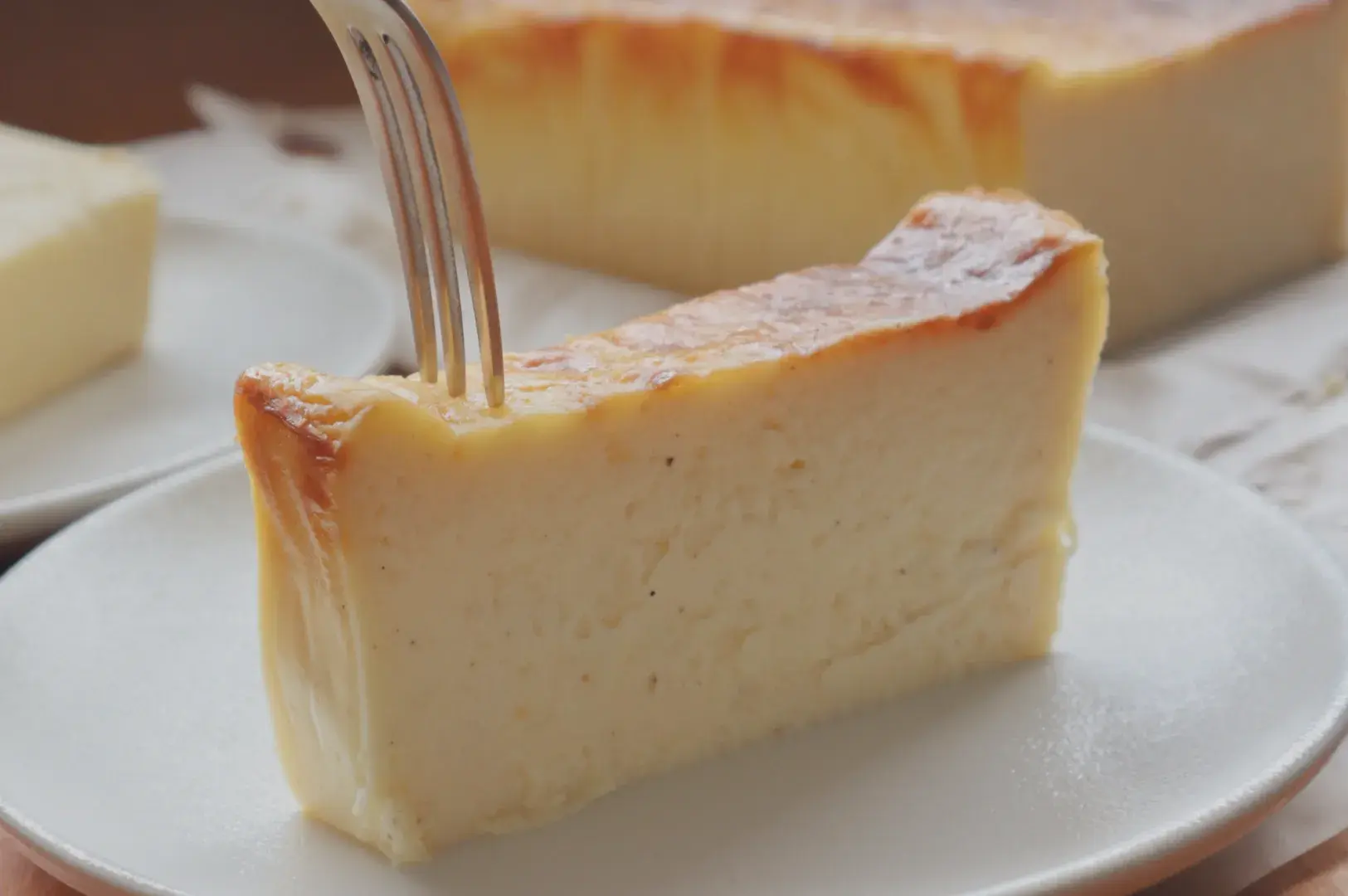
Anyone working from a recipe card for this style should treat the instructions as a rhythm rather than a checklist. Fold gently, watch the oven rather than the timer, and resist judging the result until the cake has fully cooled.
Recipe rate sections and required recipe ratings under online versions of this cake are usually full of the same notes: do not skip the water bath, do not overwhip the whites, and do not open the oven door too early. It is worth taking the time to review recipe notes and comments before starting, since small details tend to make the biggest difference here.
What Doing Less Actually Buys in a Japanese Cheesecake
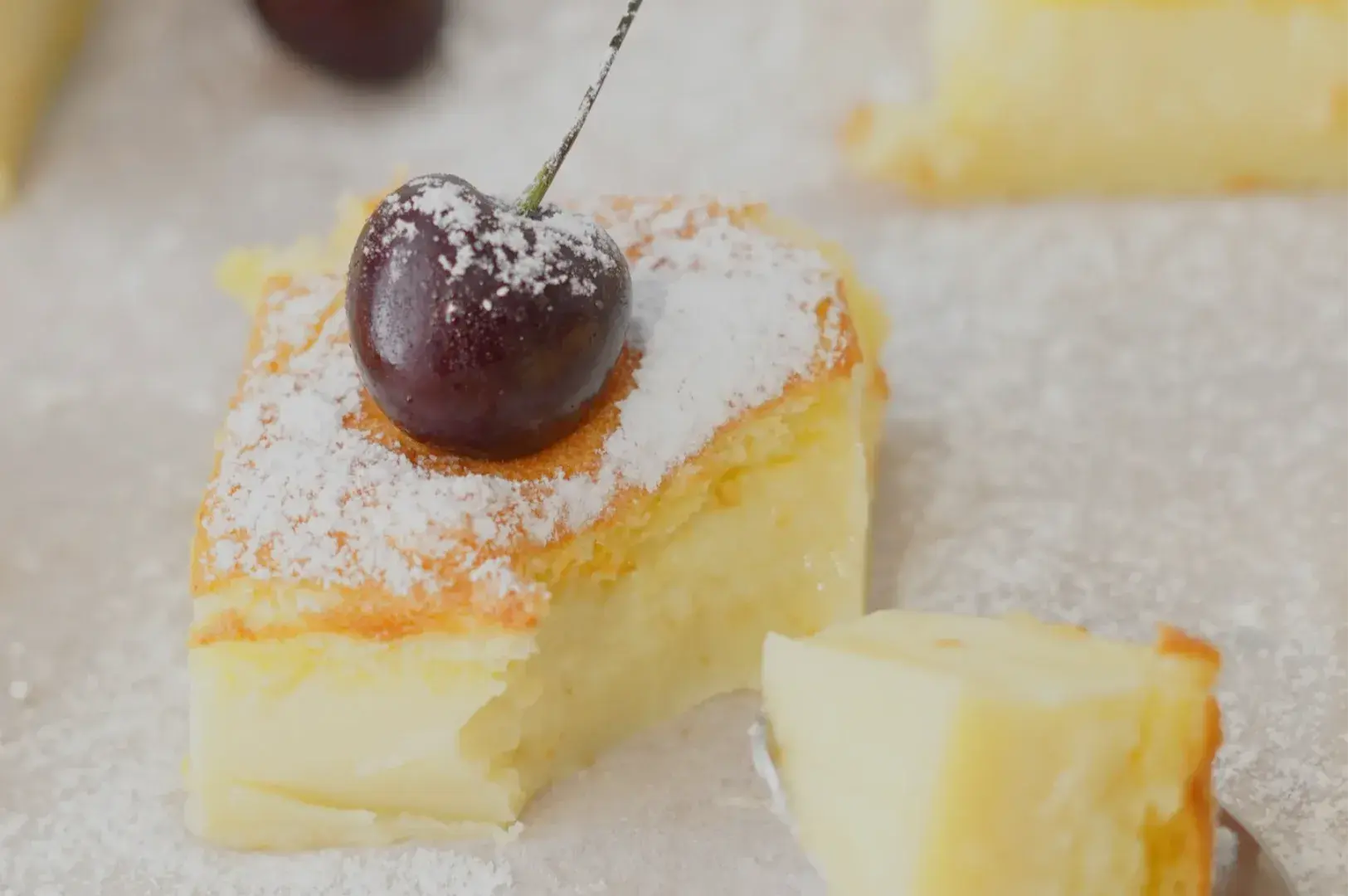
That patience is really what the title points to. Doing less, more carefully, tends to beat doing more, quickly. It is a philosophy that shows up often at Daizu by Ki-setsu, where the same restraint that defines a good Japanese cheesecake shapes how each cake is made, one gentle fold and one patient stretch of oven time at a time. Happy baking to anyone who decides to try it at home.