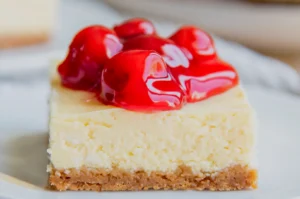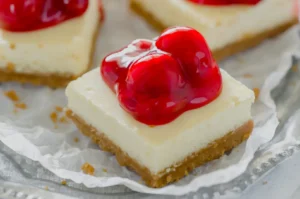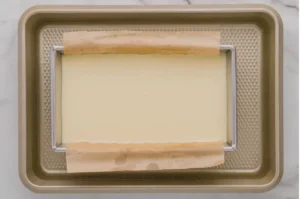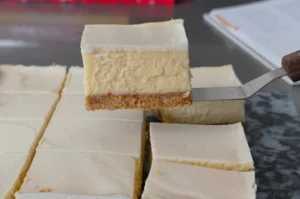
A friend once swapped the milk in her cheesecake batter for soy milk purely because the fridge was out of the regular kind. She expected a slightly odd dessert. What she got instead was a texture so smooth that she asked, more than once, what she’d done differently.
The answer, it turns out, has less to do with luck and more to do with what soy milk brings to a mixing bowl that regular dairy milk doesn’t. This simple swap could very well be the secret behind the best cheesecake Singapore might ever have.
Why a Creamy Cheesecake Even Needs Help Getting Creamier
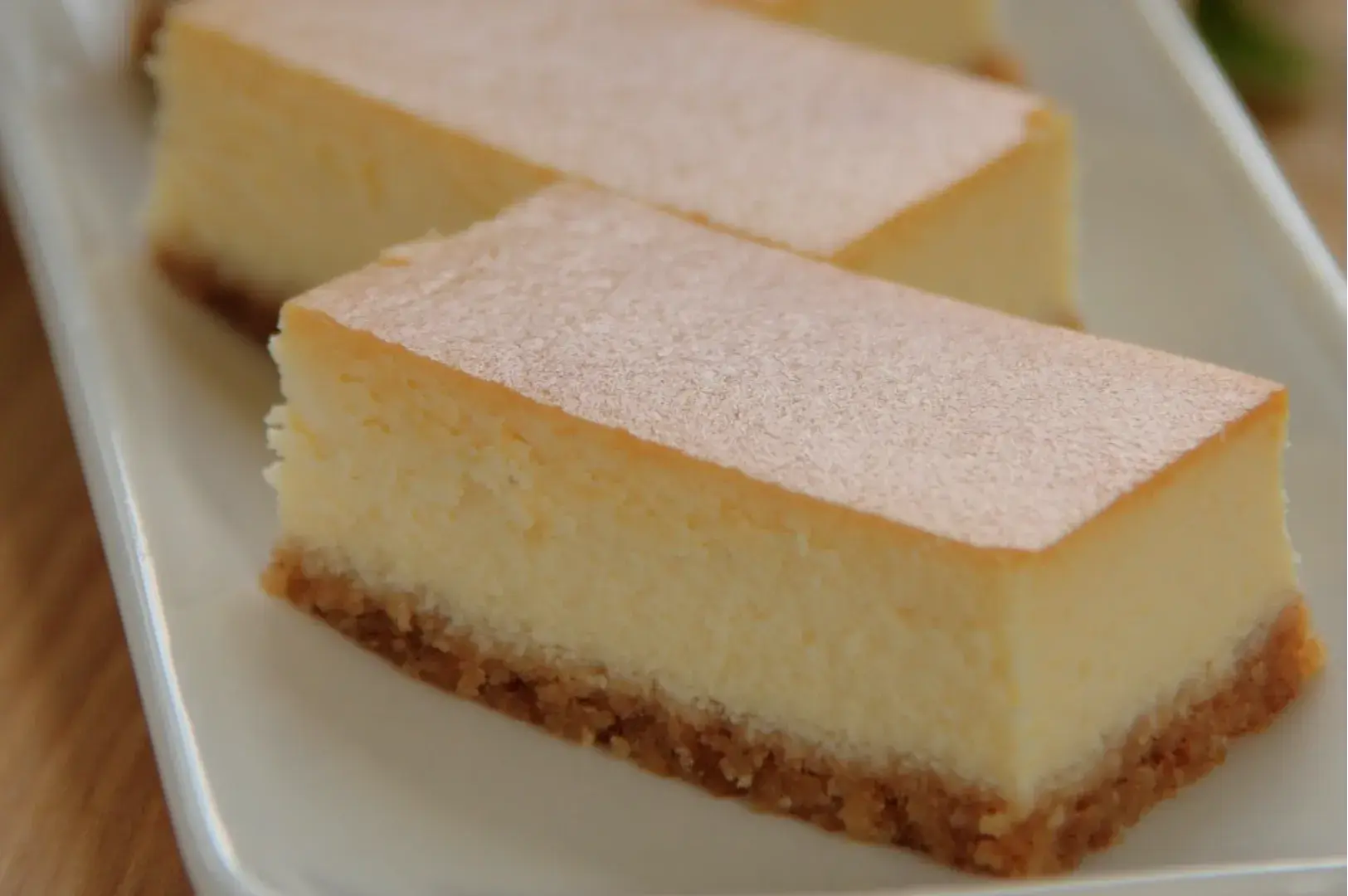
A good creamy cheesecake already relies on fat and protein working together. Cream cheese provides the tang and the structure. Sour cream adds moisture and a little acidity. Eggs bind everything into something that holds its shape once baked.
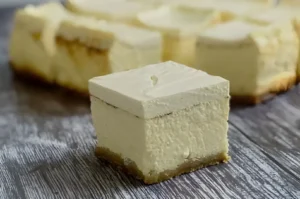
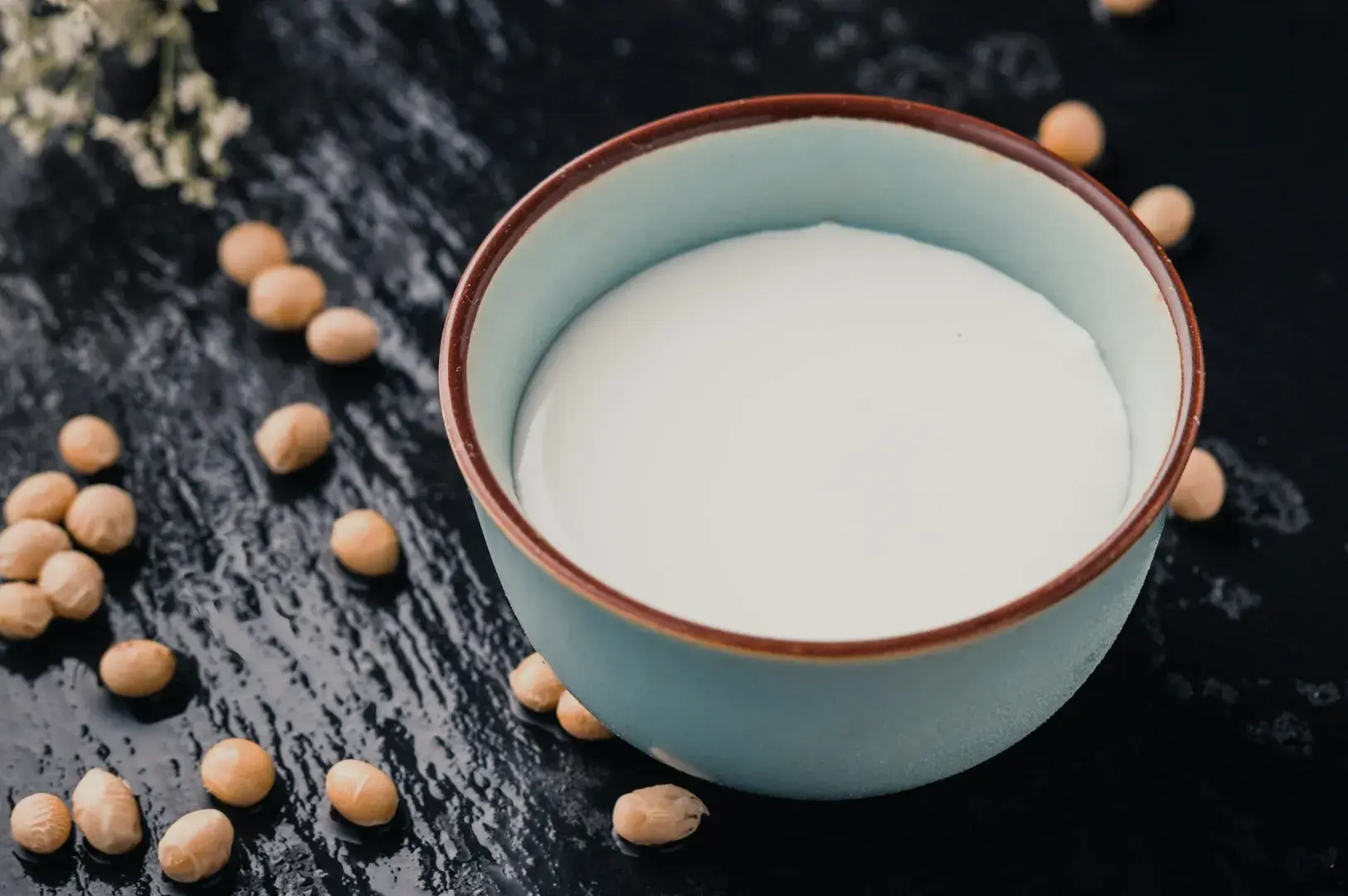
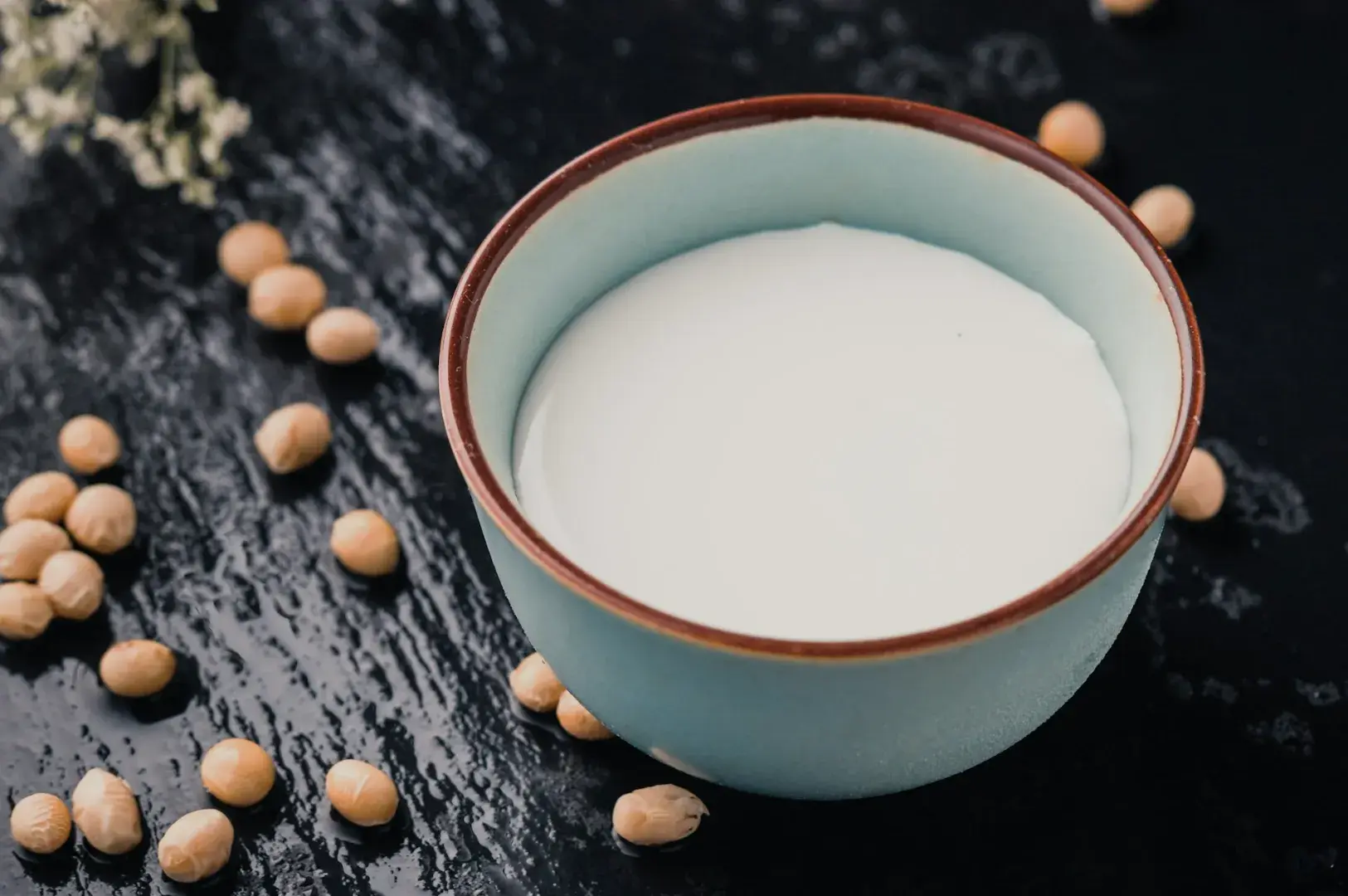
Soy milk doesn’t replace any of that. It sits quietly in the background and changes how the other ingredients behave. It’s naturally higher in protein than regular milk, and lower in the kind of watery liquid that can thin out a batter. That small shift matters more than it sounds like it should, and it’s part of what gives the finished slice its signature creamy texture.
What Soy Milk Actually Does to Cream Cheese
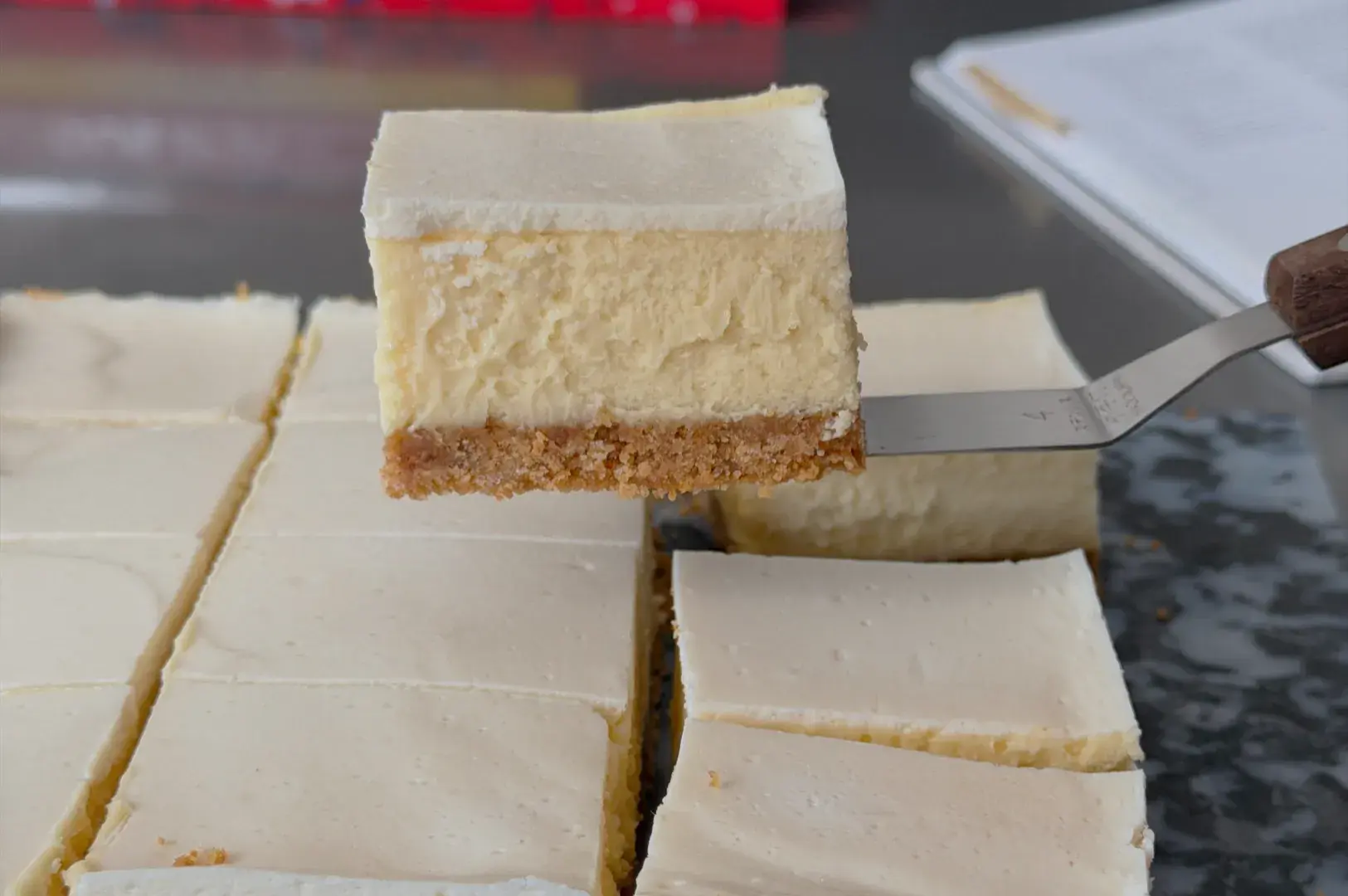
Full fat cream cheese is dense on its own, especially the brick style cream cheese most bakers reach for over the softer, spreadable cream cheese sold in tubs. Left cold, it clumps and resists blending, which is why most recipes insist on room temp ingredients before anything goes near a stand mixer. Soy milk, when whisked in gradually, loosens that density without adding excess water the way regular milk sometimes does.
The result is a smoother emulsion. The proteins in the soy milk interact with the proteins in the cream cheese and eggs, helping the mixture stay cohesive rather than separating into curds during baking. It’s a small chemical assist, not a flavour statement. Most people wouldn’t clock soy milk as the reason a slice feels silkier. They’d just notice that it does.
Rethinking the Cheesecake Batter Before It Hits the Oven/
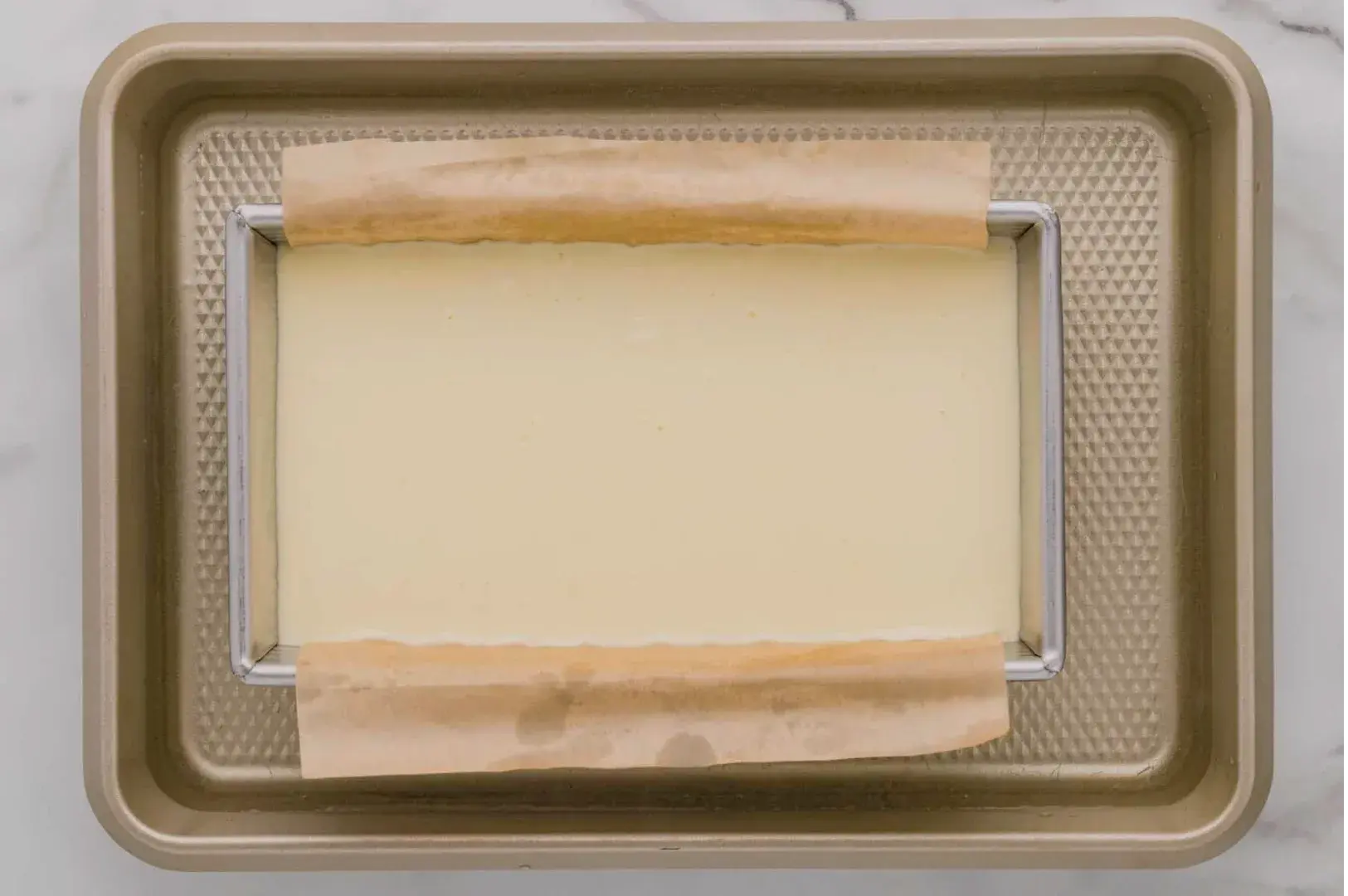
Building the cheesecake batter starts the same way it always has. Softened cream cheese goes into a medium bowl first, beaten alone until it’s genuinely smooth, no lumps hiding at the bottom. Granulated sugar follows, then eggs one at a time, then the soy milk, a splash of pure vanilla extract, and a little lemon juice or lemon zest for brightness. A measuring cup nearby keeps every addition honest, since this is one recipe where guessing tends to backfire.
Overmixing is still the enemy here. Too much air whipped into the batter causes cracking later, no matter what liquid is used. Soy milk doesn’t fix that problem. It does, however, make the batter more forgiving if it’s mixed a touch longer than intended, since the smoother base holds together better under stress. One home baker described it as such an easy recipe to adjust that she stopped worrying about overmixing altogether.
This Isn’t Your Classic Cheesecake Recipe, and That’s the Point
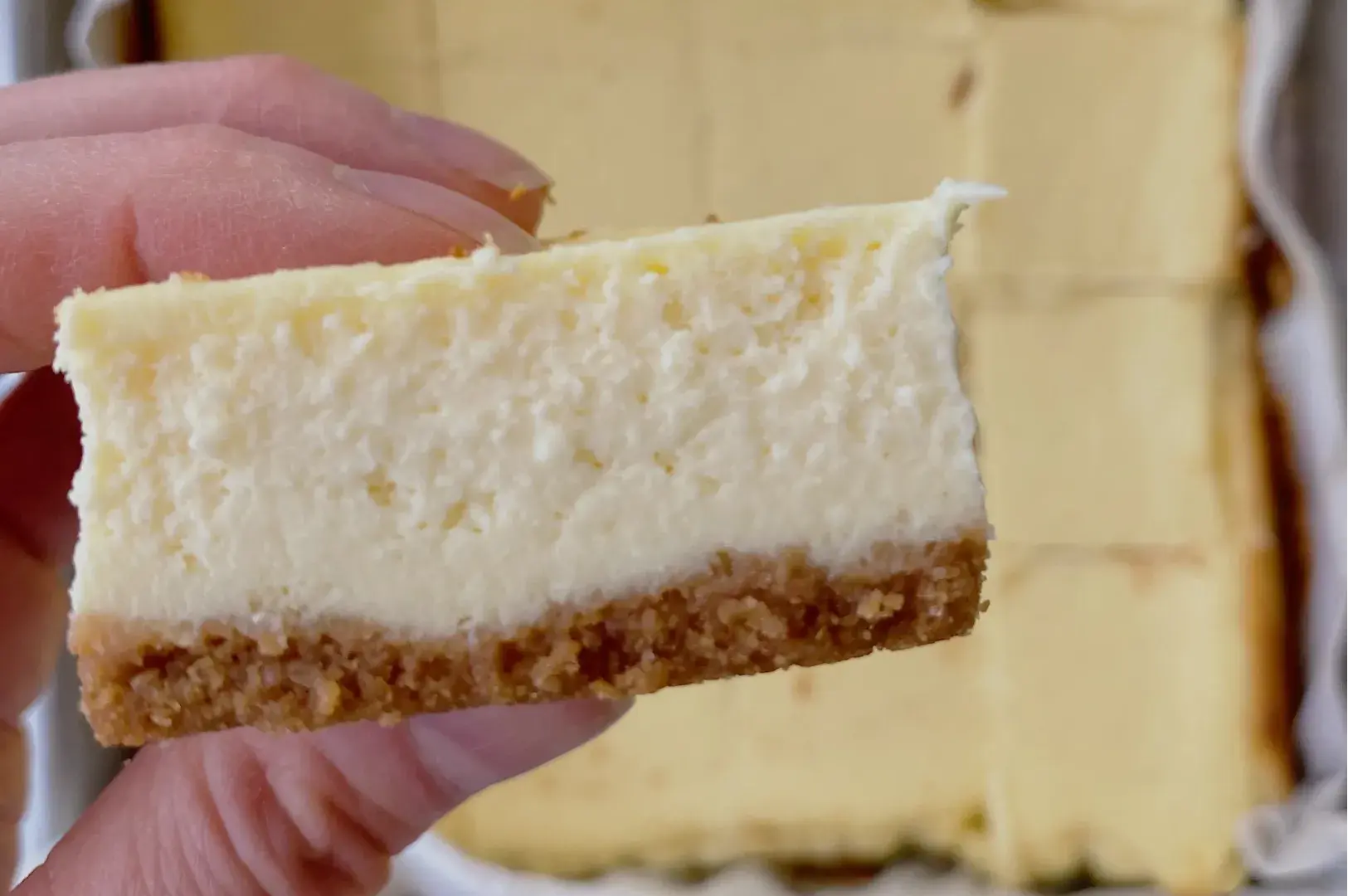
A classic cheesecake recipe is built around dairy from top to bottom. Cream cheese, sour cream, sometimes mascarpone cheese folded in for extra richness, all working in the same direction. Introducing soy milk breaks that pattern slightly, which is exactly why it’s worth discussing instead of quietly ignoring.
It’s not a health swap dressed up as an innovation. Soy milk isn’t lighter here in any meaningful way once it’s folded into a cheesecake filling this rich. It’s included because of what it does to mouthfeel, not because it lowers anything on a nutrition label.
Read: Did Daizu by Ki-Setsu Quietly Release the Best Cheesecake in Singapore?
Comparing It to a Classic Baked Cheesecake
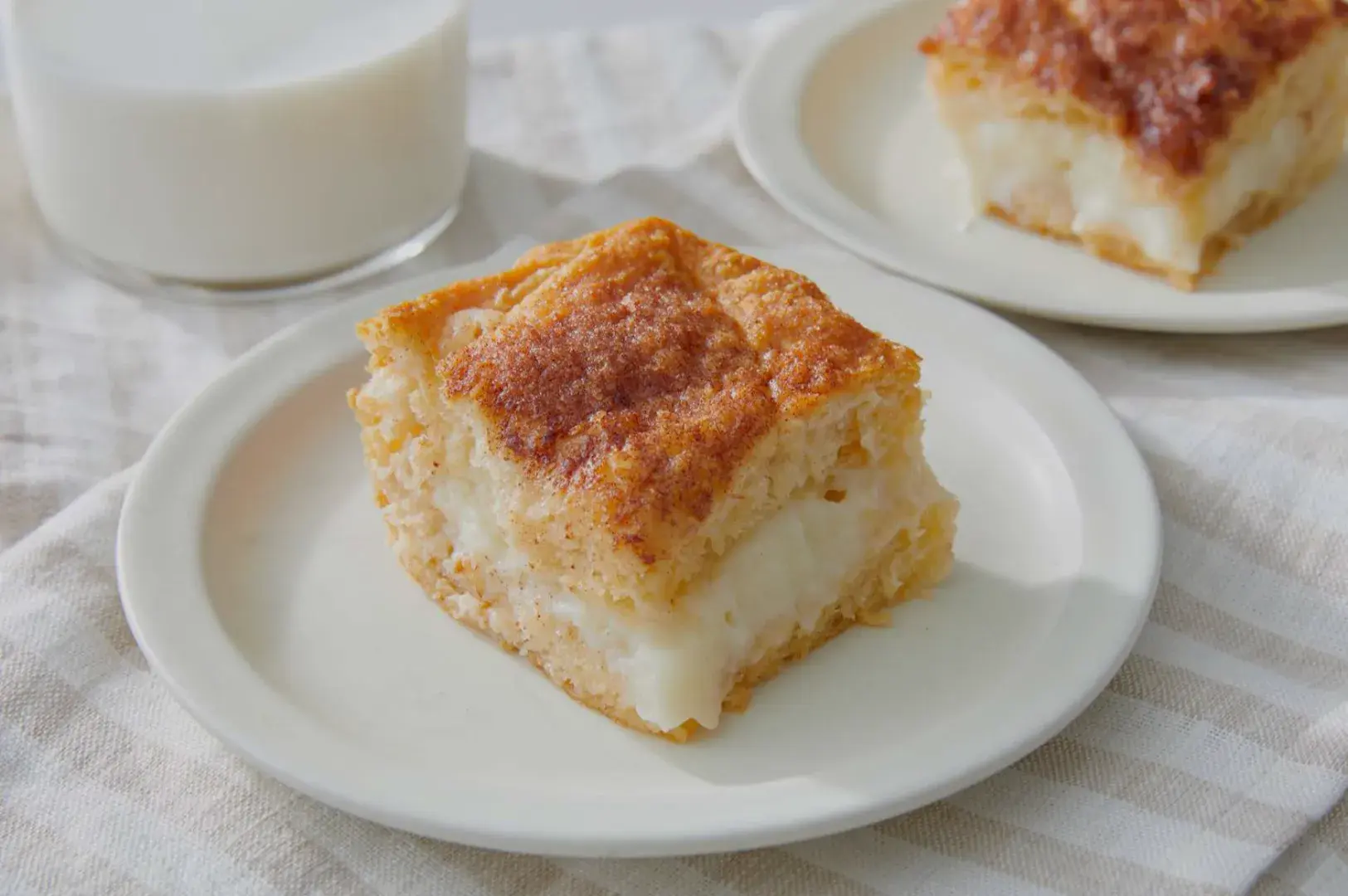
A classic baked cheesecake depends on gentle, even heat. A water bath, a roasting pan, a layer of aluminum foil wrapped tightly around the base of the springform pan so no hot water sneaks into the cake pan while it bakes. None of that changes with soy milk in the mix.
Preheat oven instructions stay the same, and the oven door stays shut for most of the bake, since a sudden drop in temperature is one of the fastest ways to crack a cheesecake that’s already close to done. The batter still goes into a prepared crust, still bakes low and slow, still gets a jiggle check near the edges before it’s pulled out. The only difference sits inside the batter itself.
Where This Lands Next to a New York Cheesecake
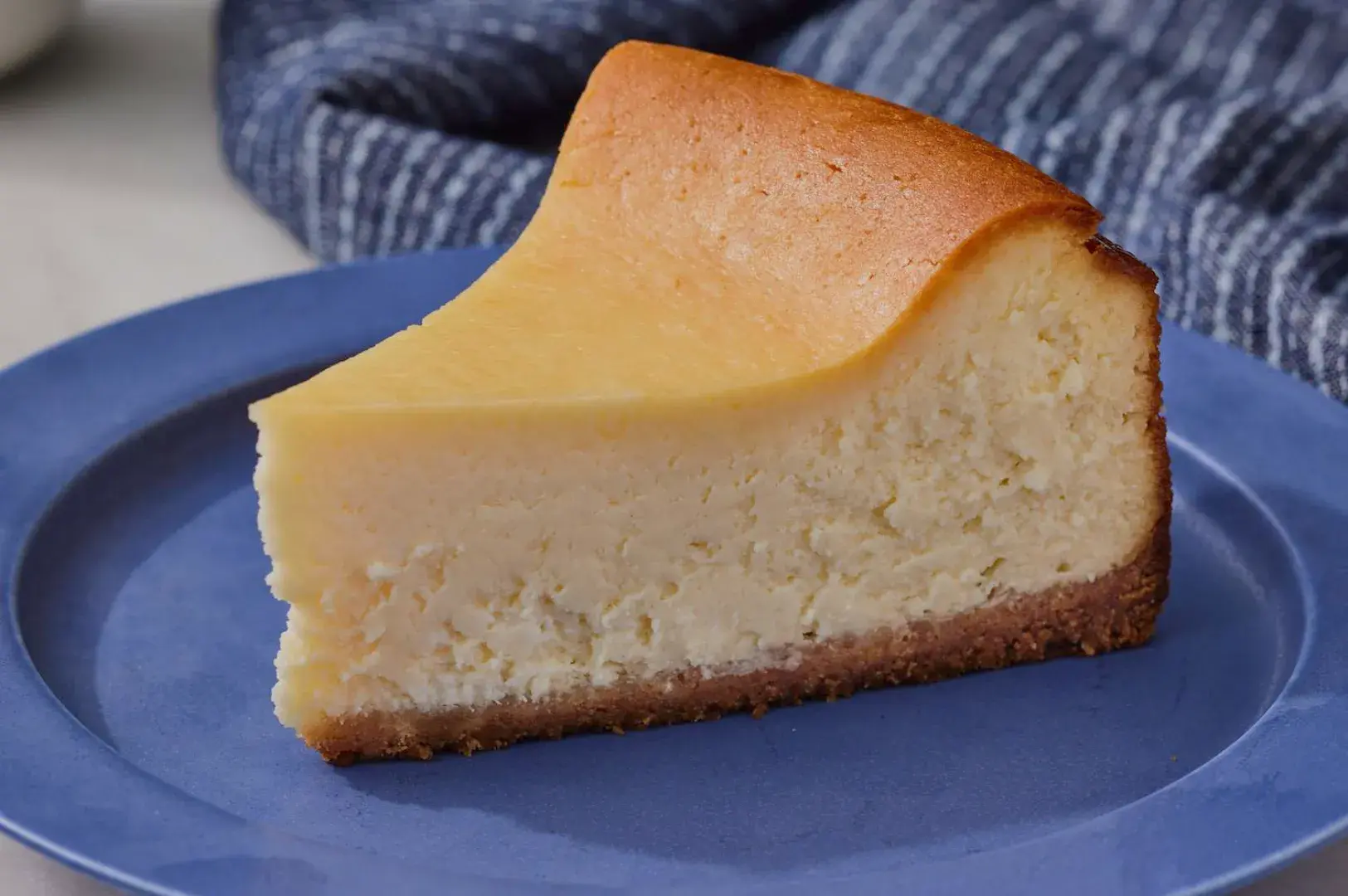
A new york cheesecake is built for density. Thick, rich, almost dessert-as-architecture. Soy milk pulls a cheesecake in a different direction. Instead of density for its own sake, the goal becomes a lighter, more even creaminess that doesn’t sit as heavily by the second bite.
It’s not a criticism of one style over the other. Some people want that heavier, more traditional slab. Others prefer something that feels a little more balanced. Soy milk nudges a cheesecake recipe toward the second camp without abandoning what makes a cheese cake a cheese cake in the first place.
Building a Cheesecake Filling That Doesn’t Fight Itself
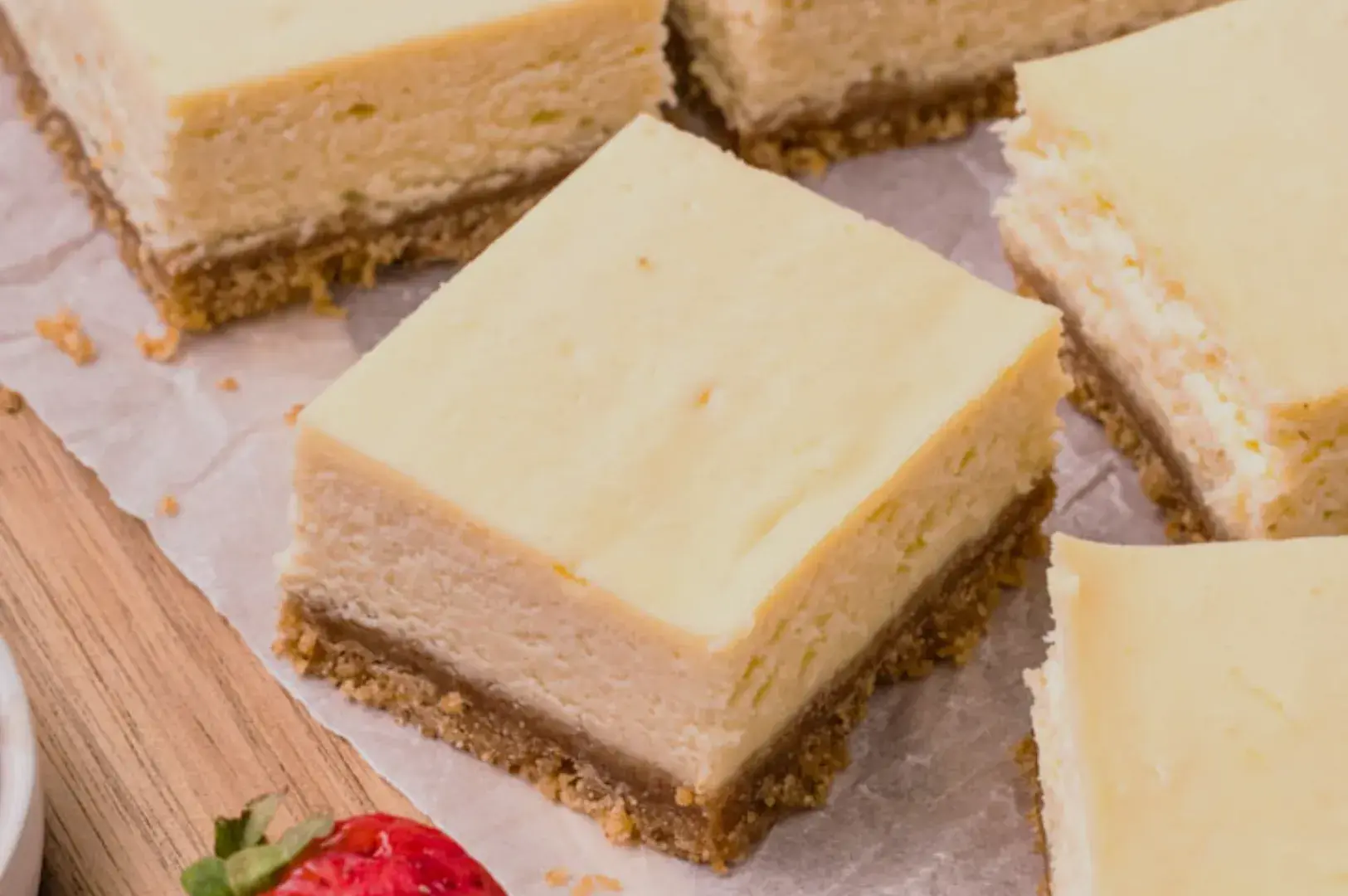
The best version of this filling avoids ingredients competing against each other. Sour cream contributes tang. Soy milk contributes smoothness. Full fat cream cheese contributes the backbone. Balance these three, and the cheesecake filling comes together as one coherent texture instead of a mix of separate ideas.
The crust underneath deserves the same care. Graham crackers pulled through a food processor until they turn into fine crumbs, mixed with melted butter and a spoonful of brown sugar, press into the base of the springform pan far more evenly than crumbs broken by hand. That contrast, a slightly crisp graham cracker crust against a filling this smooth, is where a lot of the eating pleasure actually lives.
The Aluminum Foil Trick That Actually Matters Here
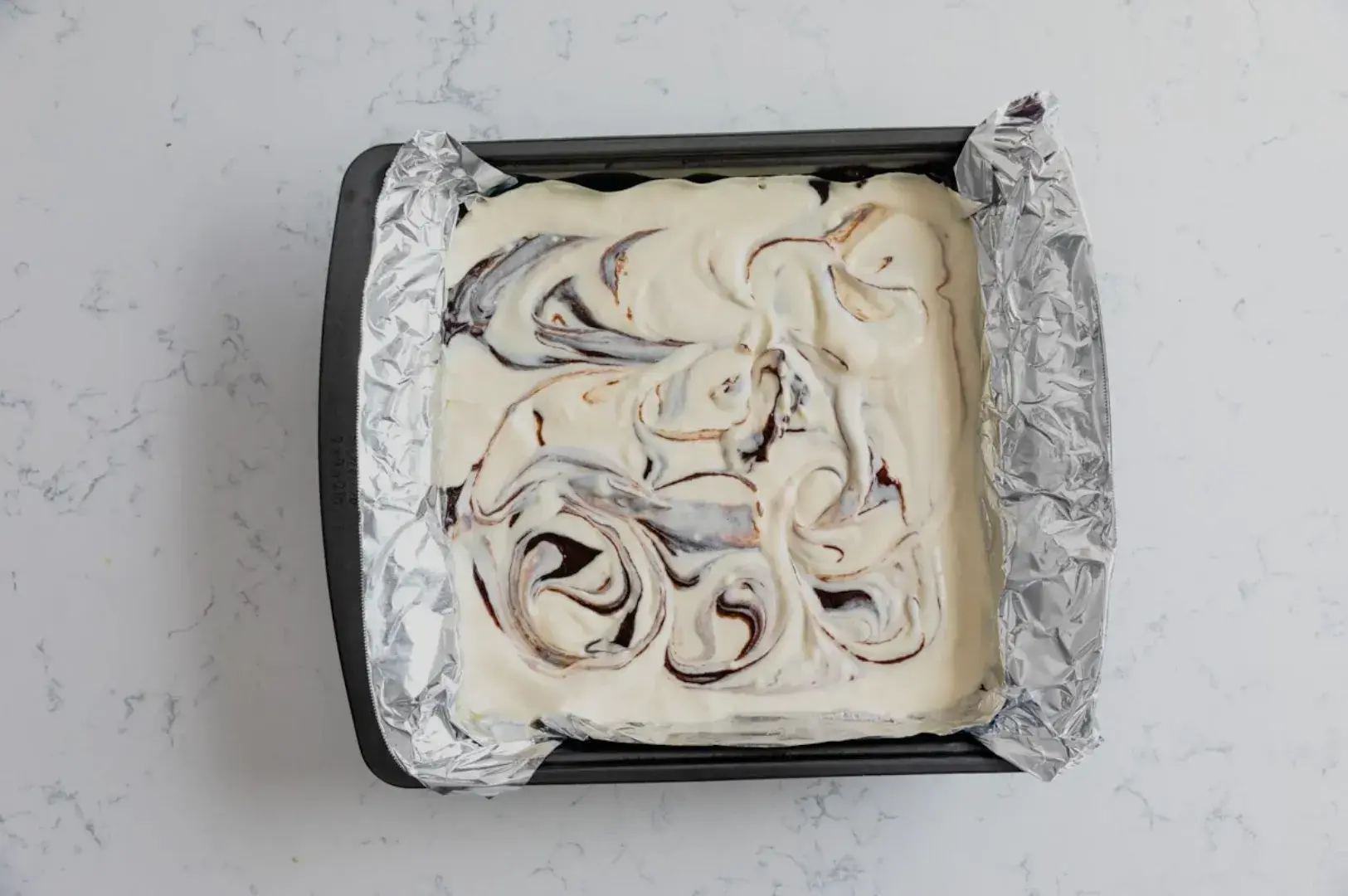
Aluminum foil does one job in this whole process, and it’s not decorative. Wrapped snugly around the base and sides of the springform pan, it keeps the water bath from leaking in and turning a delicate filling into a soggy mess.
A double layer is worth the extra minute it takes. Cheap foil tears easily, and one small gap is enough to ruin an otherwise careful bake. It’s an unglamorous step, but skipping it undoes everything the soy milk was brought in to improve.
What Happens While the Cheesecake Cools
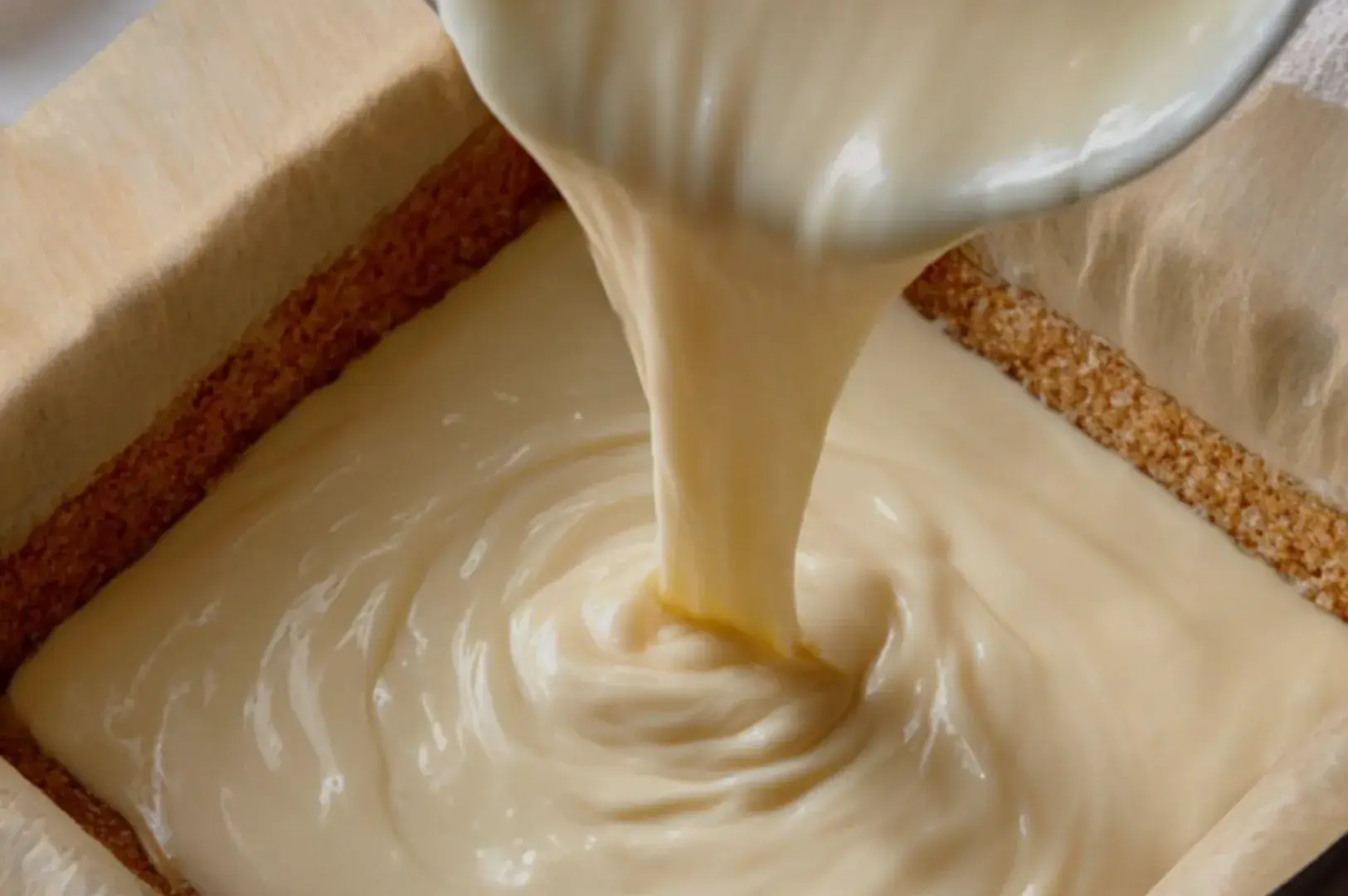
Patience matters more here than in most desserts. Once the bake is done, the cheesecake should sit in the switched off oven with the door slightly ajar for close to an hour, easing the temperature down slowly instead of shocking it with cold air. Only after that should it move to a cooling rack to finish cooling at room temp.
Once the cheesecake cools fully, plastic wrap goes over the top before it heads into the fridge overnight. Skipping this rest is one of the most common reasons a slice of cheesecake ends up dense instead of properly set. Anyone planning ahead can also freeze cheesecake at this stage, wrapped well, and let it thaw overnight in the fridge before serving.
Dressing Up a Slice Without Overcomplicating It
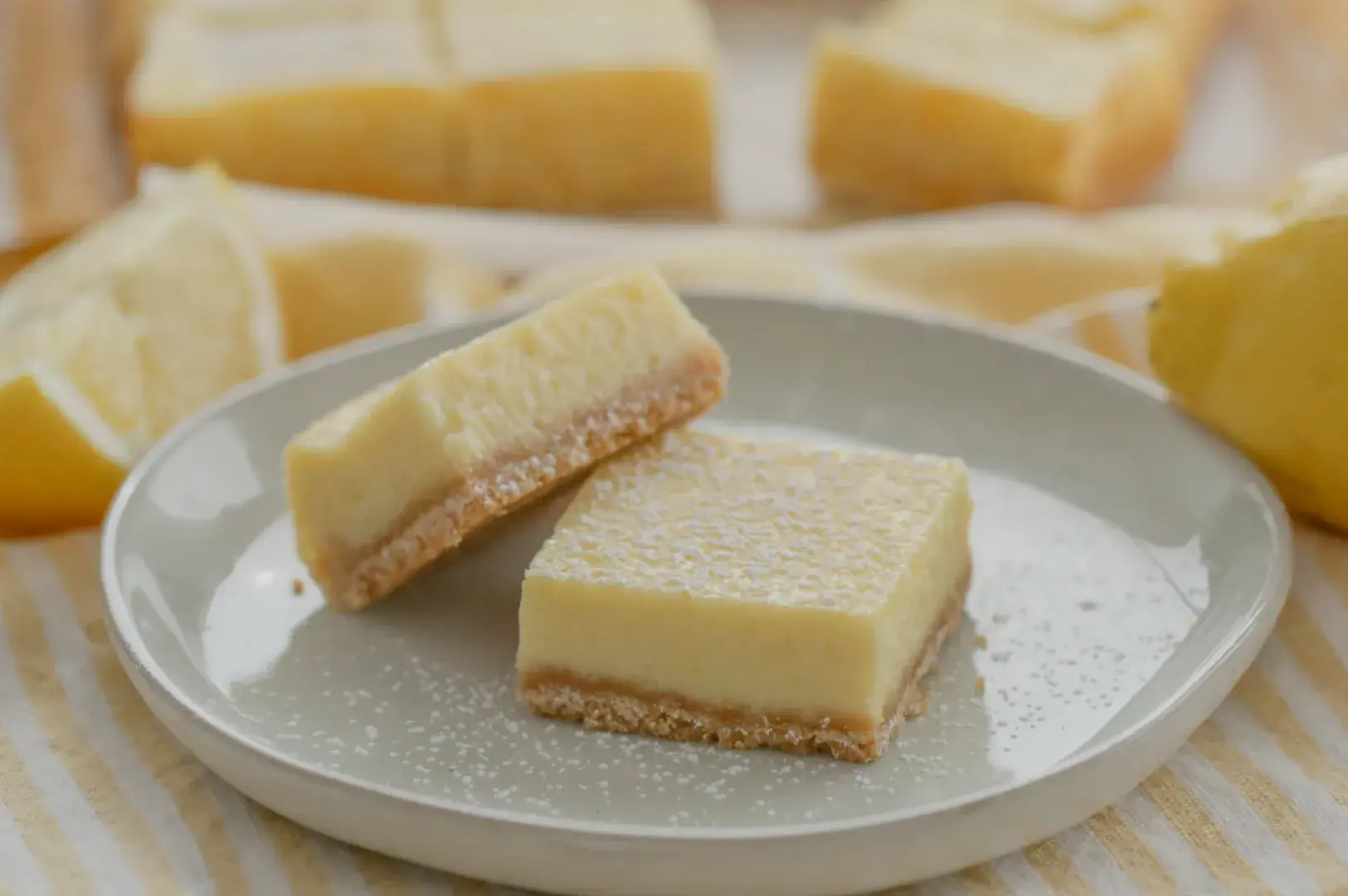
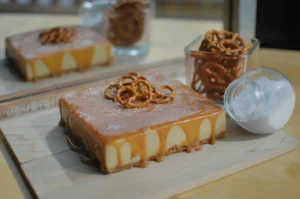
A plain slice already earns its keep, but a few finishing touches turn a delicious cheesecake into something closer to a centrepiece. A drizzle of raspberry sauce or a spoonful of lemon curd cuts through the richness with something bright. A dusting of icing sugar, a swirl of chocolate ganache, or a dollop of whipped cream does the same job with less effort.
Fresh fruit works well too, scattered over the top just before serving so it doesn’t weep into the filling. None of this is necessary for a beautiful cheesecake to taste right, but it does make the presentation match the effort that went into the bake.
So Is This the Perfect Cheesecake for a Creamier Bite?
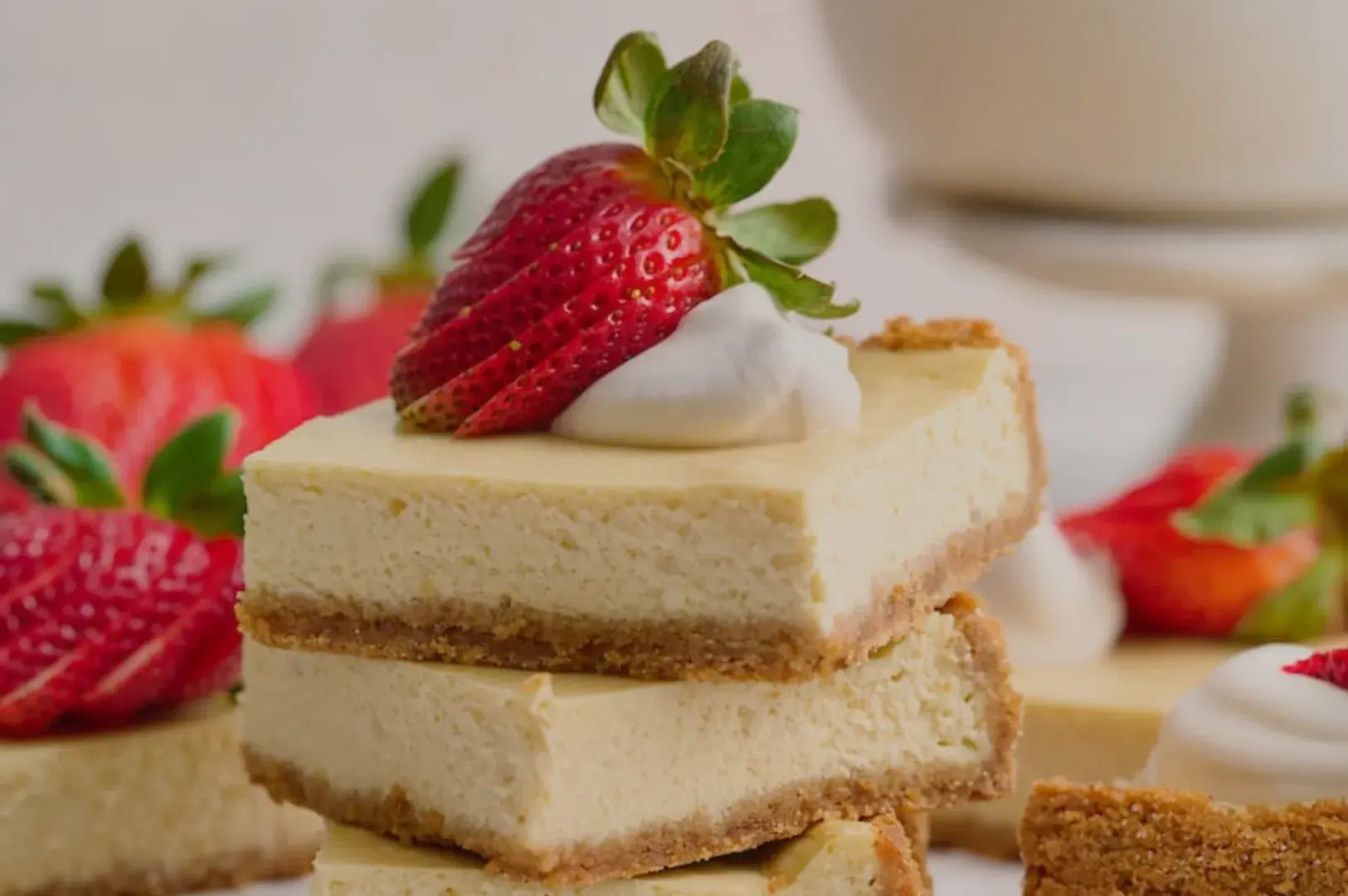
Perfect is subjective, and any easy cheesecake recipe depends on what someone is actually chasing. For those after maximum density, a fully dairy-based version still wins. For anyone chasing a smoother, slightly lighter creamy cheesecake recipe without sacrificing richness, soy milk earns its place in the batter.
It’s an easy recipe to adjust, not a full overhaul. Bake until the top turns a light golden brown at the edges while the centre still holds a gentle wobble, chill it properly, and the difference shows up in the first forkful. Unsalted butter in the crust, granulated sugar in the batter, parchment paper lining the pan, none of the fundamentals change. What changes is everything soy milk quietly does once it’s in the mix.
At Daizu by Ki-setsu, this same idea sits at the centre of how the soy cheesecakes are built, letting soy carry texture rather than just nutrition, so each slice lands smoother than expectations usually allow.