Somewhere between a block of cream cheese left in the fridge and the smooth, almost silky spread on a bagel, something happens. Not magic, exactly, but close enough that most people never stop to ask what changed. Cream cheese has quietly gone through a glow-up, and the fat content is doing most of the talking.
Not every cream cheese is built the same way. Some are dense and slightly grainy. Others are so smooth they barely need spreading. The difference sits almost entirely in how much fat is packed into the mix, and what that fat is made of. That single variable is why one cheesecake tastes like dessert and another tastes like an event.
What Actually Makes Cream Cheese Rich
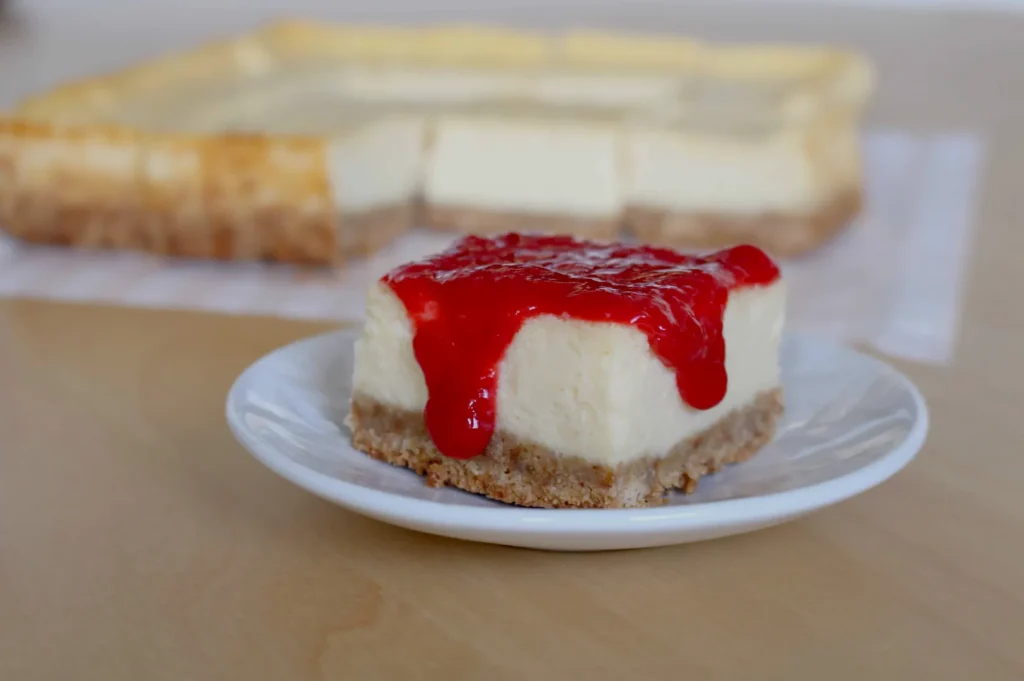
Fat is the shortcut answer, but it is not the whole story. Cream cheese gets its body from a mix of milkfat and protein, and the ratio between the two decides whether it tastes light and tangy or thick and almost buttery.
Standard cream cheese usually sits around 33 percent fat. That is enough to hold its shape, spread cleanly, and carry a mild tang without collapsing into blandness. It is the baseline. Reliable, familiar, a little unremarkable.
Bump the fat up, though, and the texture changes before the flavour does. Higher fat coats the tongue faster, softens the tang, and makes everything taste rounder. This is the first rung on the richness ladder, and it is where a lot of home bakers stop without realising there is more room to climb.
Richer: When Bakers Start Blending
The next tier is where things get interesting, because richer rarely means “just add more cream cheese.” Bakers reach for blends. Mascarpone folded in for silkiness. A touch of crème fraîche for a rounder tang. Sometimes double cream, added not for flavour but for how it changes mouthfeel.
| Tier | What’s Added | Effect on Texture |
|---|---|---|
| Standard | Nothing, base cream cheese only | Clean, slightly tangy, holds shape |
| Richer | Mascarpone or crème fraîche blend | Silkier, rounder tang, softer bite |
| Richest | High-fat blends or alternative bases | Dense, glossy, lingers longer on the tongue |
The goal at this stage is not sweetness. It is weight. A richer cheesecake feels heavier in the mouth even at the same slice size, because the fat is doing structural work, not just flavour work. Bakers chasing this tier are usually trying to slow the eating experience down, make each bite feel like it needs a pause before the next one.
The Richest Tier Isn't Always Dairy
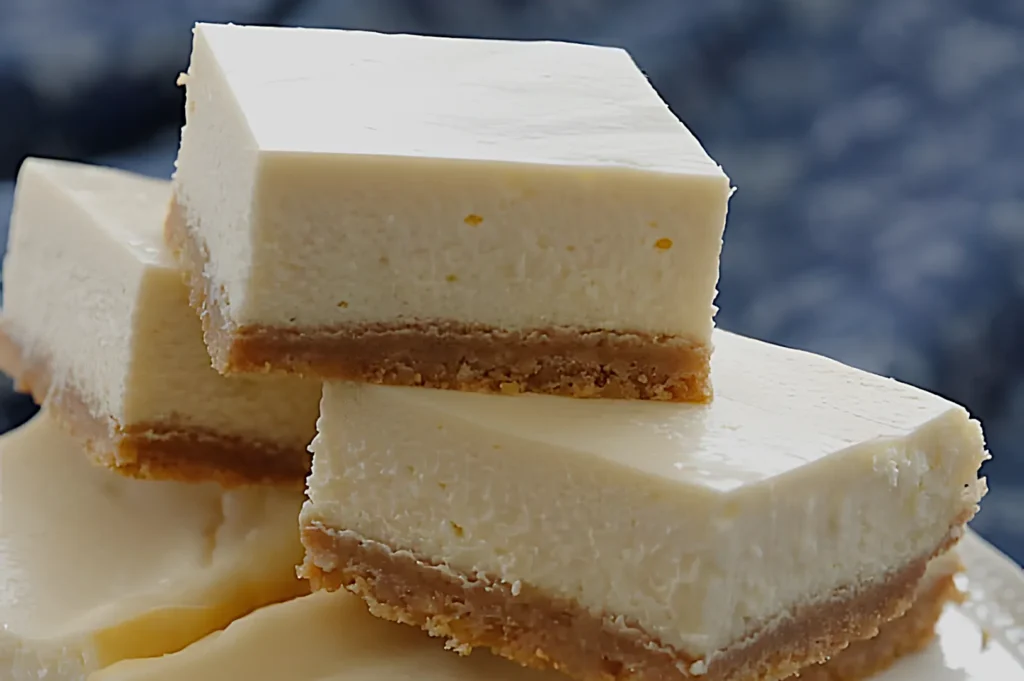
Here is where the assumption breaks. For a long time, “richest” meant more butterfat, full stop. But richness is really about fat structure and how it melts, not which animal or plant it came from.
Soy based cream cheese alternatives sit in this conversation more than most people expect. Soybeans carry their own fat and protein profile, and when processed correctly, that combination can produce a texture that is dense, smooth, and slow to melt on the tongue, all traits associated with the richest end of the scale.
The difference is in what carries the weight. Dairy versions lean on butterfat. Soy based versions lean on the natural oils and proteins already present in the bean, structured through fermentation and processing rather than added cream. The result can land in the same textural neighbourhood as a triple cream block, without needing dairy to get there.
A Quick Comparison
- Standard dairy cream cheese: mild tang, moderate fat, familiar texture
- Blended dairy cream cheese: added mascarpone or cream, silkier and heavier
- Soy based cream cheese: naturally dense fat structure, smooth finish, different tang profile shaped by fermentation
None of these are better on paper. They are just different tools solving for the same thing: how much weight and smoothness a bite can hold.
Why Richness Isn't Just About Fat Percentage
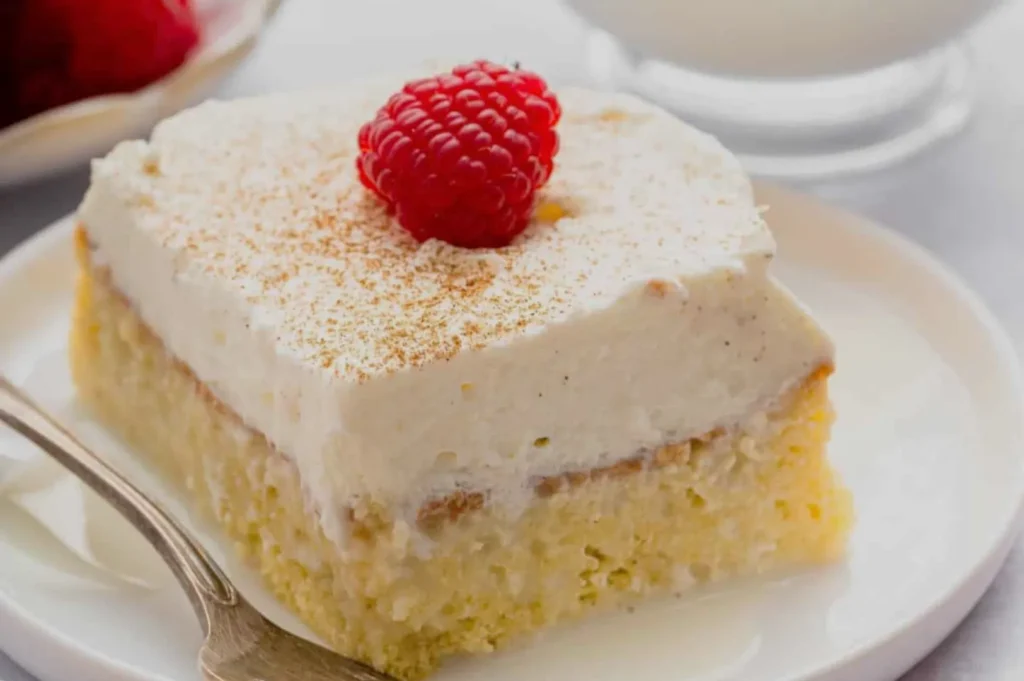
It would be simpler if richness was purely a number on a nutrition label. It is not. Two cheesecakes with identical fat percentages can taste completely different depending on how that fat is distributed through the batter.
Overmix a batter and the fat can separate slightly during baking, leaving a texture that reads thinner than the ingredient list suggests. Undermix, and pockets of unblended fat make certain bites taste heavier than others. Richness, in other words, is partly a recipe decision and partly a technique problem.
This is also why swapping in a different base, dairy for soy or vice versa, is never as simple as a one to one substitution. The fat behaves differently under heat, sets at a different rate, and needs its own version of “done” to hit that dense, glossy finish people associate with the richest tier.
Where the Scale Actually Lands
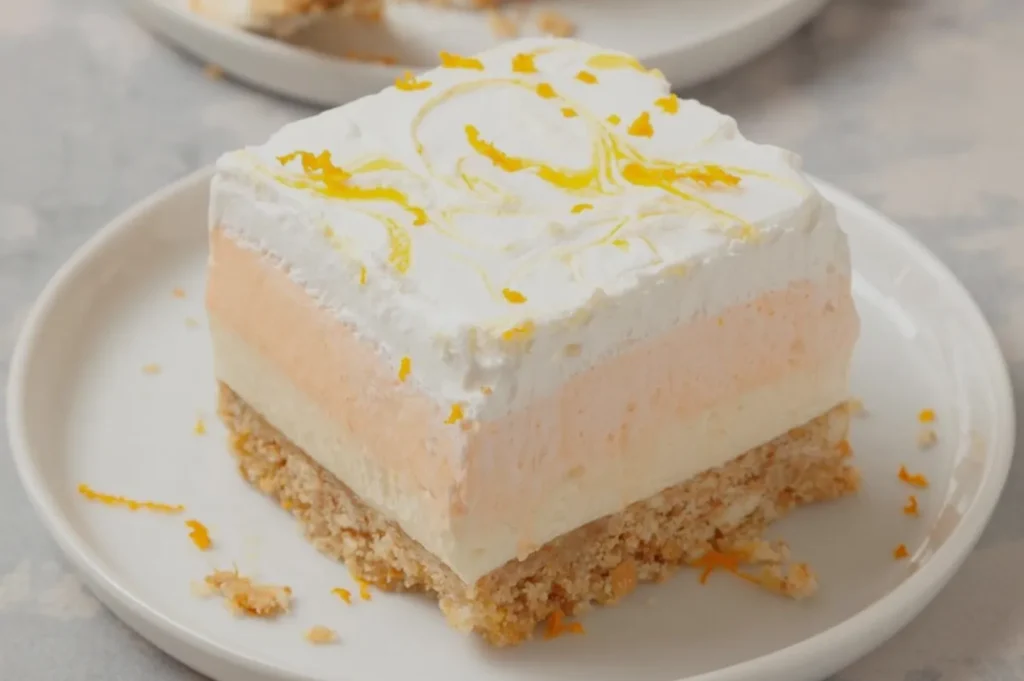
The richness scale is not really about chasing the most fat possible. It is about intention. Standard cream cheese suits a lighter, everyday slice. Richer blends suit something meant to feel special. The richest tier, dairy or soy based, is for the cheesecake that is meant to be remembered the next day. Knowing which tier a recipe is aiming for is really the first ingredient, before fat percentages even enter the conversation.
Daizu by Ki-setsu builds from the soy end of that scale, using tofu and soy milk as the base rather than folding soy in as an afterthought. The fat and protein naturally present in soybeans give the cheesecake its dense, smooth character, offering a version of richness that gets there without leaning on dairy at all.