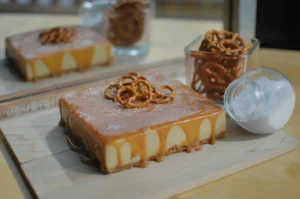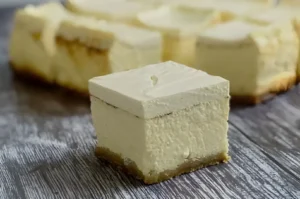
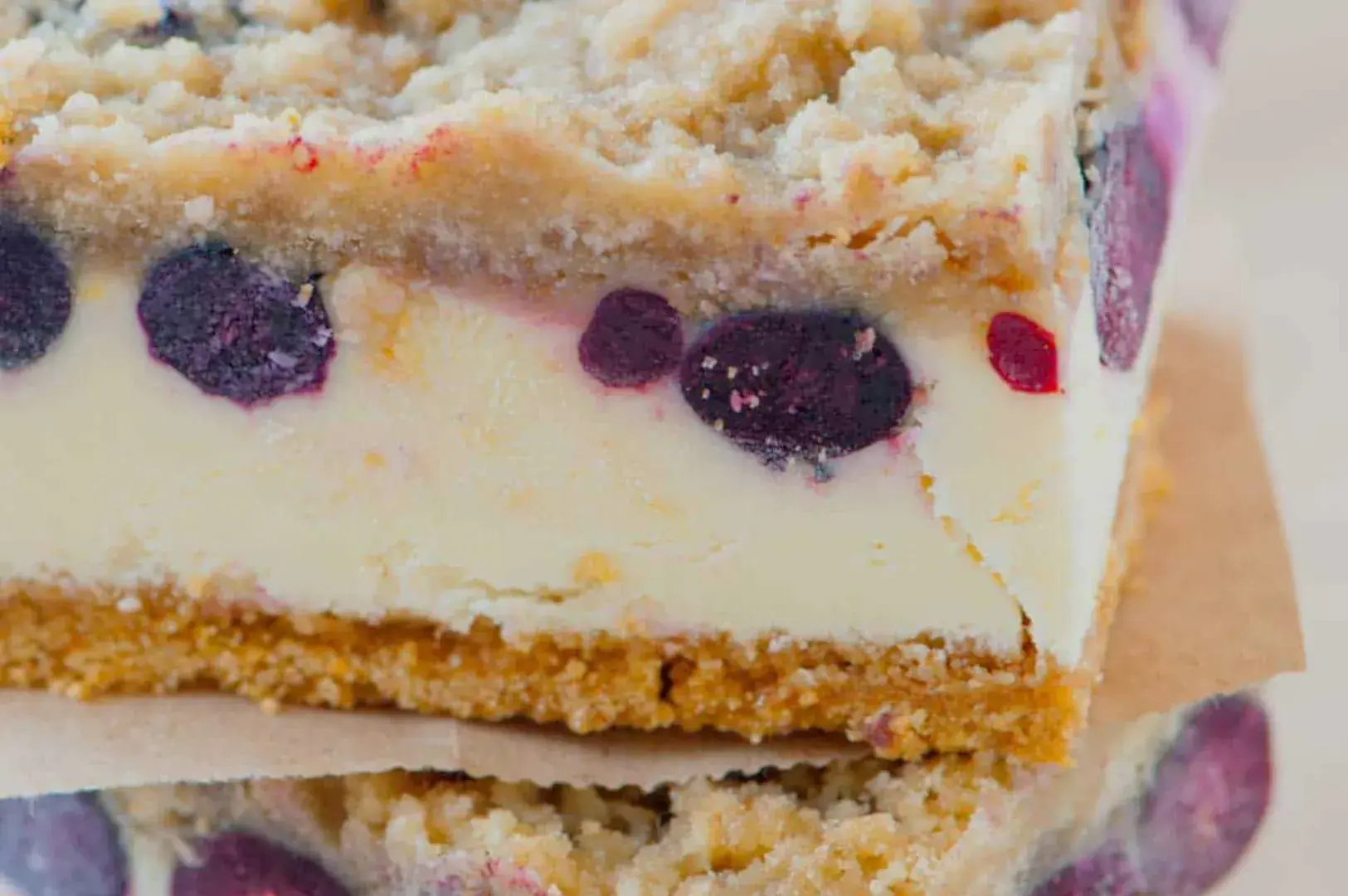
Someone hands over a slice of vegan cheesecake expecting it to taste like a lighter version of the real thing. A diet cousin. A guilt-free stand-in. Then the fork goes in, and the texture is denser, the tangier, the whole experience stranger than expected.
It is the kind of moment that comes up often while hunting for the best cheesecake in Singapore, where dairy and plant based slices now sit on the same dessert menu and somehow get judged by the same yardstick, as though one is simply a smaller version of the other. That moment of confusion is where the real story starts.
Plant Based vs Dairy Cheesecake: Where the Real Differences Start
The instinct is to assume plant based just means fewer calories and less fat. Sometimes that is true. Often it is not, because a slice built on soaked cashews or coconut cream can carry just as much richness as one built on cream cheese and eggs.
The actual difference is not nutritional. It is structural. Dairy cheesecake gets its body from proteins in eggs and cream cheese binding together under heat. This protein network creates the familiar dense yet creamy texture that defines traditional cheesecake. The heat causes the proteins to coagulate, setting the cheesecake firmly while maintaining a smooth mouthfeel.
Plant-based versions must achieve structure differently, relying on fats, starches, and chilling for firmness. Ingredients like soaked cashews, silken tofu, or vegan cream cheese provide creaminess, but without egg proteins, the setting process changes. This alters texture, mouthfeel, and slicing behavior, often resulting in cheesecakes that vary from denser to lighter or creamier depending on the plant-based base used.
That is also why two plant based cheesecakes can taste nothing alike. One built on soaked cashews leans rich and dense with a creamy filling. One built on silken tofu leans lighter and cleaner. Neither is trying to be a copy of the dairy version, even when the two end up sitting side by side on the same dessert table. The addition of fresh fruits as a topping or garnish can add a sweet, vibrant contrast that enhances the overall tasting experience.
The Cream Cheese Swap That Changes Everything
Cream cheese is doing more work in a traditional cheesecake than most people give it credit for. It is not just flavor. It is the scaffolding that holds the cheesecake filling together once it cools.
Dairy free cream cheese has to replicate that job without the same protein network, which is why not all substitutes behave the same way in a mixing bowl.
Substitute | What it brings | Where it falls short |
|---|---|---|
Tofutti cream cheese | Closest flavor match to traditional cream cheese | Can be softer, needs extra chilling time |
Cashew cream cheese | Rich, slightly nutty, blends smooth in a food processor | Requires soaked cashews and longer prep |
Silken tofu | Neutral base, very smooth once blended | Needs strong flavoring to avoid tasting flat |
Coconut cream | Adds natural richness and a subtle sweetness | Can shift the final flavor toward coconut |
None of these are wrong choices. They are just different tools, and a good vegan cheesecake recipe usually leans on one as the base while borrowing a little acidity from lemon juice or a spoonful of vegan sour cream to keep the tang dairy cheesecake is known for. The final touch often includes a drizzle of fruit coulis or a sprinkle of fresh fruit, which makes the dessert more visually appealing and tasty.
Building a Dairy Free Cheesecake Crust That Holds Together
The crust seems like the easy part until the butter disappears from the recipe. Traditional cheesecake crusts rely on melted butter to bind graham crackers or cookie crumbs into something that holds its shape once sliced.
Swap in melted vegan butter or coconut oil and the chemistry shifts slightly. Coconut oil firms up differently in the fridge than dairy butter does, which changes how sturdy the final crust feels.
A few things matter more than people expect here:
The crumb needs to be fine enough that the mixture resembles wet sand, not gravel, before it goes into the springform pan
To ensure a sturdy and well-formed base, start by chilling the crust for at least 30 minutes before pressing the crust firmly, rather than just pouring it in, is what keeps it from crumbling later
Delicious gluten free graham crackers work fine as a substitute, but they tend to be a little more delicate, so a slightly higher ratio of fat helps hold things together
Adding nuts like almonds or pecans can improve both texture and flavor for a wholesome, whole foods crust
None of this is complicated. It just rewards a little patience instead of rushing straight to the oven door. When ready to serve, adding a side of fresh fruits or a light fruit compote can make the dessert even more enjoyable and balanced.
Vegan Cheesecake Recipe Basics: Tofu, Cashews, and the Food Processor
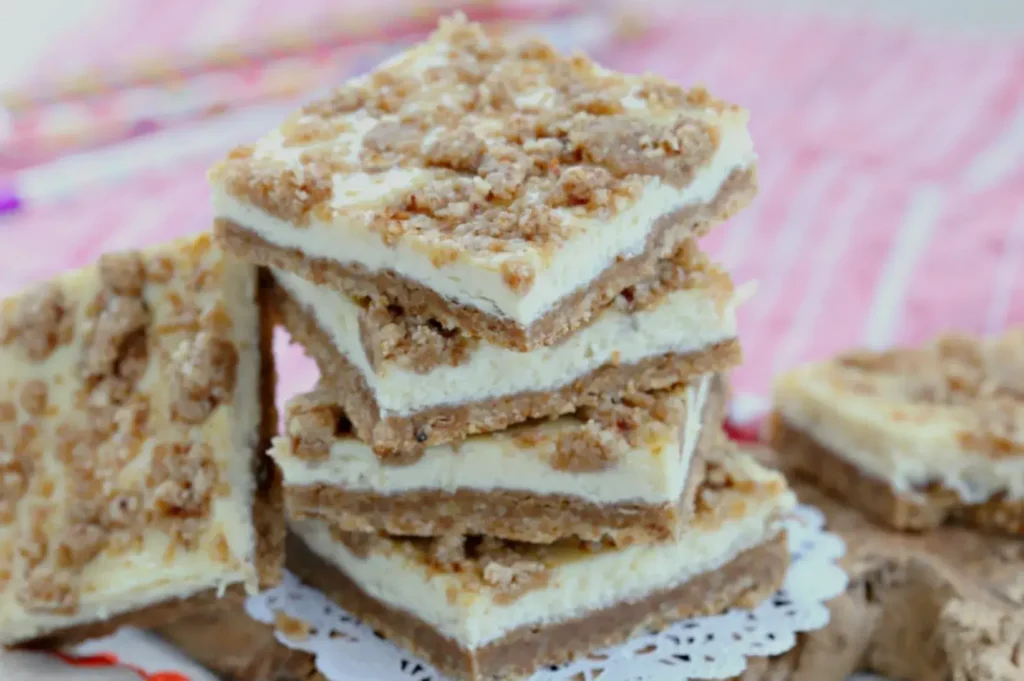
This is where the texture of the whole dessert gets decided. A food processor is doing the job that eggs and a stand mixer would normally do in a dairy version, breaking down soaked cashews or silken tofu until the mixture turns properly creamy rather than grainy.
Getting there usually means blending longer than feels necessary. A gritty filling almost always means the cashews needed another few minutes, not a different recipe.
Flavor gets built in layers rather than dumped in all at once. Vanilla extract and lemon zest handle the brightness. Sugar rounds it out. A pinch of salt keeps the whole thing from tasting flat, the same way it would in any cream-based filling.
Does a Water Bath Still Matter Without Eggs?
In a traditional cheesecake, a water bath exists to slow down the heat so the eggs set gently instead of curdling. Without eggs in the mix, that specific risk mostly disappears.
Most plant based fillings are set by chilling rather than baking, since ingredients like cashews and coconut cream firm up in the freezer or fridge instead of through heat. That means a lot of dairy free cheesecake recipes skip the oven and the water bath entirely.
Baked versions do still exist, usually built around silken tofu or a starch-thickened filling using flour, and those benefit from the same gentle, even heat a water bath provides. It comes down to which style of recipe is being followed, not a fixed rule that applies to every plant based cheesecake.
Skipping the water bath on a no-bake version is not cutting corners. It is simply a different process built around chilling instead of heat, and treating it like a shortcut misses the point of how the filling was designed to set in the first place.
The Real Reason Plant Based and Dairy Cheesecake Taste So Different
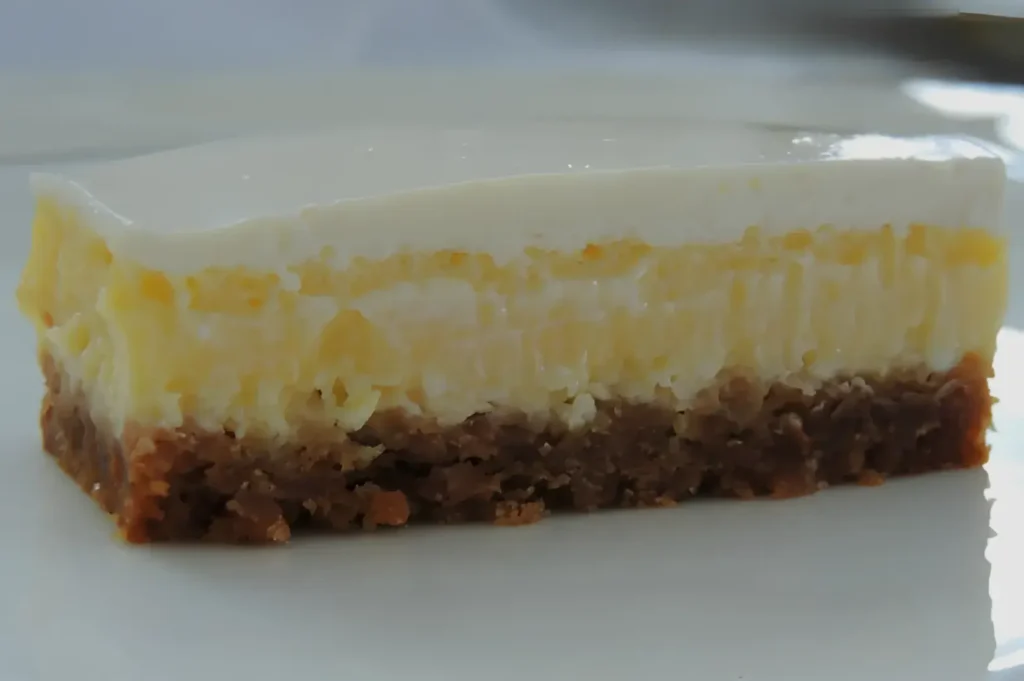
Calories were never really the heart of this comparison. The real divide is texture, tang, and how each version is built from the ground up. Dairy cheesecake leans on protein coagulation for its structure. Plant based versions lean on fat and careful chilling instead, which is why a well-made one can taste just as rich, sometimes richer, than the version it is standing in for.
This is also why the best vegan cheesecake recipes rarely try to imitate dairy cheesecake exactly. The good ones lean into what cashews, tofu, and coconut cream naturally do well, whether that is a deeper nuttiness, a cleaner tang, or a smoother, colder bite. For anyone who is lactose intolerant, avoiding animal products by choice, or just curious about what plant based desserts can actually do, that difference is worth tasting on its own terms rather than measuring against a dairy original.
Soy is central at Daizu by Ki-setsu, where cheesecakes focus on tofu as the main ingredient rather than a dairy substitute. Fresh berries, chocolate, or pecans top the flavors. For those in Singapore exploring plant based versus dairy, it shows what a soy-based cheesecake can truly taste like on its own, especially when paired with a sweet fruit glaze as the final touch before you serve.