There is a moment every Singaporean home baker has had, standing in the baking aisle of a supermarket, staring at a block of cream cheese and wondering why it costs more than a whole cake from the bakery downstairs. That moment is usually where the questions start. What actually goes into a cheesecake, and why does it demand so much precision compared to almost anything else in the dessert world.
The answer says a lot about why cheesecake has quietly rewritten the rules of what desserts in Singapore are supposed to be. It is rich where local desserts are light, dense where they are airy, and built on a completely different set of cheesecake ingredients than the kaya toast and chendol crowd grew up with. This transformation is a key reason why cheesecake Singapore enthusiasts have embraced it as a distinct and beloved dessert choice.
What's Actually in a Classic Cheesecake Recipe
Strip it down and a classic cheesecake recipe is deceptively short. Cream cheese, eggs, granulated sugar, a bit of sour cream or heavy whipping cream, vanilla, and a crust. That is more or less it.
What makes the difference between a forgettable slice and a genuinely good one is not the ingredient list itself. It is the ratio, the temperature, and the order in which things get combined. Even the easiest, most easy cheesecake recipe still lives or dies on those three details.
The Cream Cheese Question
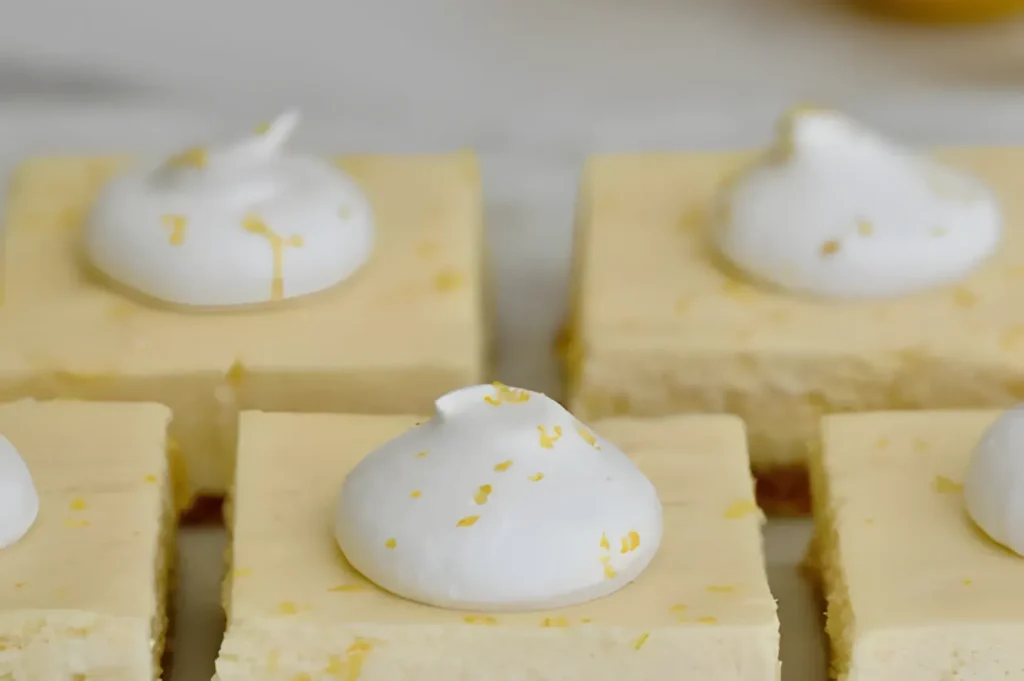
Ask anyone who bakes seriously and they will tell you the best cream cheese for the job is full fat cream cheese, specifically the brick style cream cheese sold in blocks rather than tubs. Tub versions are whipped with air and stabilisers to make them spreadable, which is exactly the wrong texture for a dense, sliceable cake.
Room temperature ingredients matter here more than people expect. Cold, straight-from-the-fridge cream cheese refuses to smooth out no matter how long it gets beaten, and it leaves little lumps that show up later in the bake. Softened cream cheese, left out for an hour before mixing, solves most of that problem before it starts.
There is also a reason lower fat versions rarely work as well. Saturated fat in cream cheese is part of what gives a slice of cheesecake its structure, and cutting it out tends to make the filling looser and less stable once it cools.
Building the Buttery Graham Cracker Crust
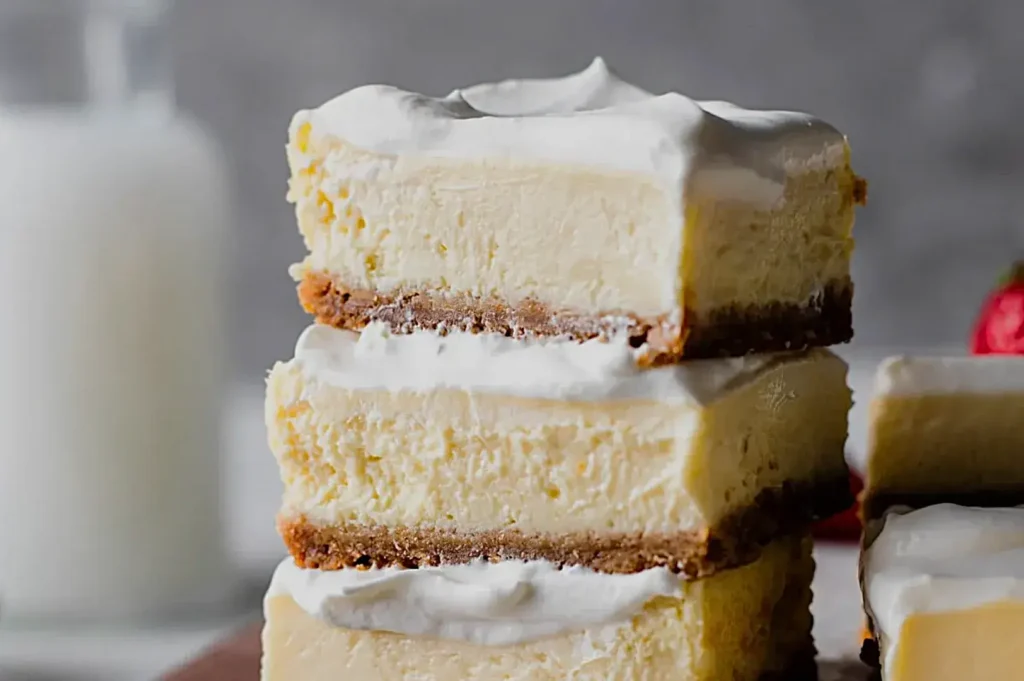
Before the filling goes anywhere, there is the crust to deal with, and this is where a lot of home bakers in Singapore hit their first real surprise. Graham crackers are not a local staple, so the first attempt at a graham cracker crust often involves a trip to a specialty grocer just to find them.
Once sourced, the process is simple. Graham crackers get broken down into fine graham cracker crumbs, usually in a food processor, then combine graham cracker crumbs with melted butter and a spoonful of granulated sugar or brown sugar until the mixture looks like wet sand. A measuring cup makes it easy to keep the ratios consistent instead of guessing.
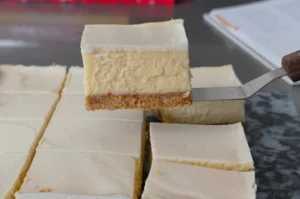
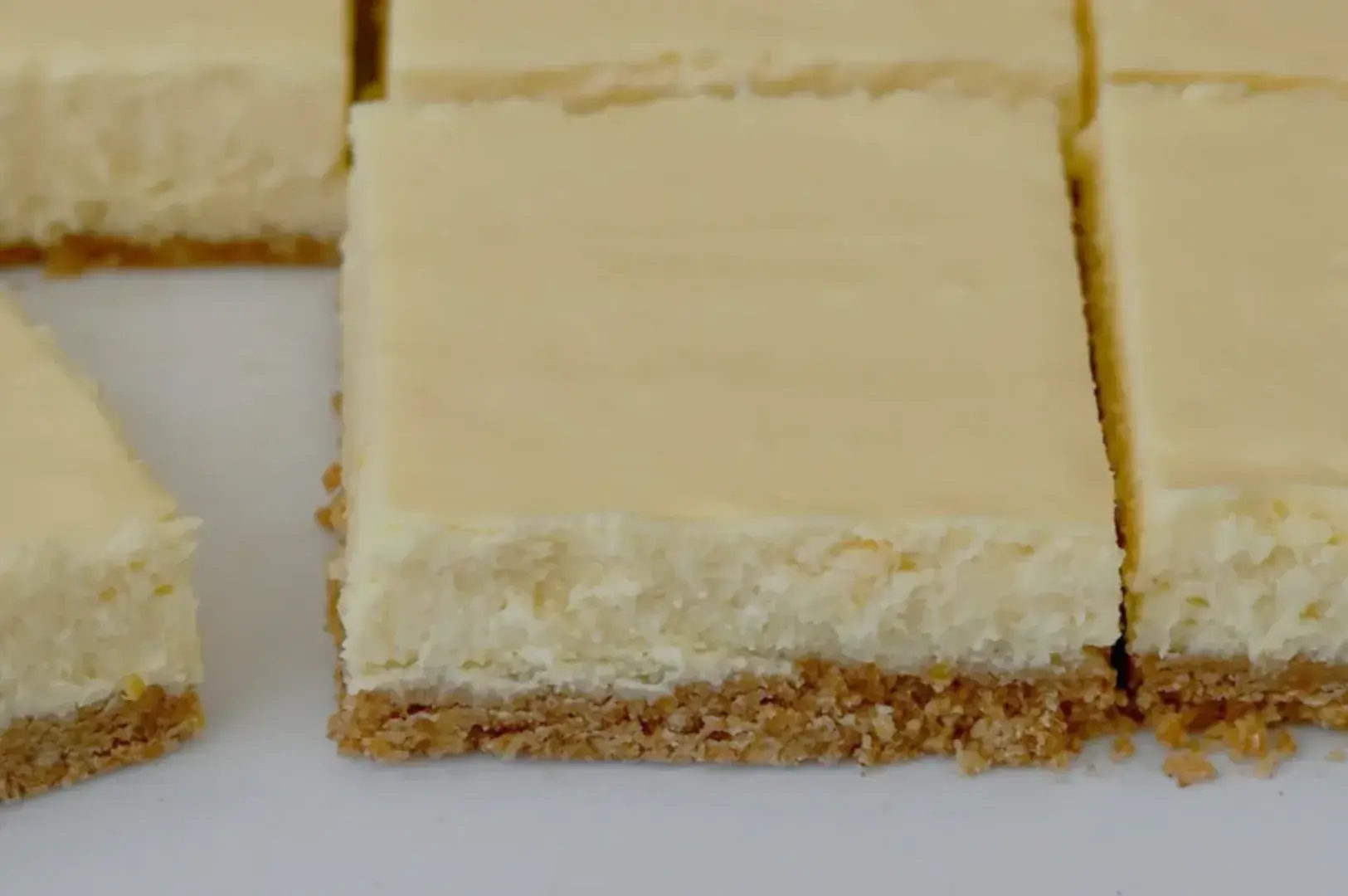
Pressed firmly into a springform pan or a regular cake pan lined with parchment paper, it bakes briefly until it turns a light golden brown. Some bakers skip the crust step entirely for a crustless cheesecake, which trades the crunch for an even creamier bite.
The butter is doing more work than it looks like. Add melted butter sparingly and the crust crumbles the moment a slice is lifted out. Add the right amount and it stays crunchy against the creamy texture of the filling above it, which is really the whole point of a buttery graham cracker crust in the first place. A light coating of nonstick baking spray on the pan sides before pressing in the crust also makes unmoulding far less stressful later.
What Makes the Cheesecake Batter Behave
The cheesecake batter is where most of the science actually happens. Beat cream cheese until it is completely smooth, add sugar, then eggs one at a time, then something like sour cream or heavy whipping cream to loosen things slightly. A little lemon juice cuts through the richness, and pure vanilla extract, or vanilla bean paste for a more floral finish, rounds it out.
The one instruction that gets ignored most often is to avoid incorporating too much air. Overbeating the batter, especially once the eggs go in, traps air bubbles that expand in the oven and then collapse as the cake cools, leaving cracks across the top. A stand mixer on low speed, scraping down a large bowl often, avoids most of that trouble entirely before it gets poured into the prepared crust.
Whipped cream sometimes shows up as a topping rather than a batter ingredient, offering a lighter contrast to the density underneath. It is optional, but it explains why some slices arrive looking almost architectural, with a soft cloud sitting on top of a firm base.
Why Bakers Wrap Everything in Aluminum Foil
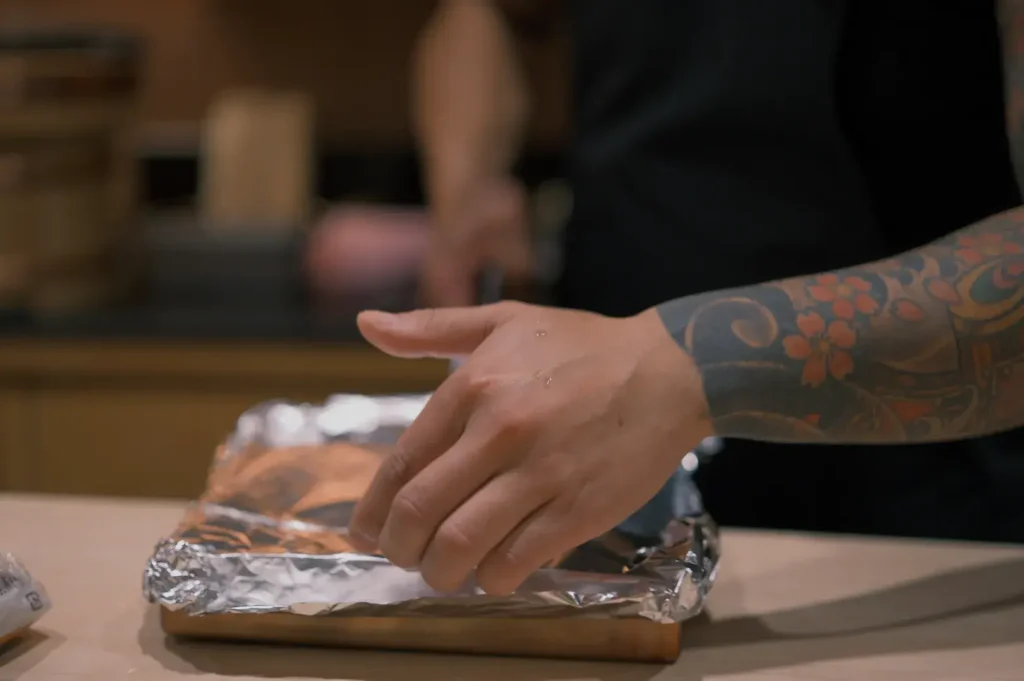
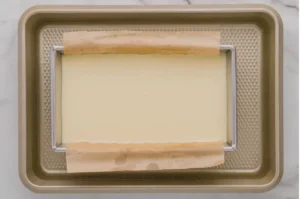
This is usually the part that convinces a first time baker that cheesecake is more trouble than it is worth. A springform pan is not watertight, so before it goes into a water bath, it gets wrapped in several layers of aluminum foil to stop water from seeping in through the seams.
The wrapped pan then sits inside a larger roasting pan filled with hot water, with the whole setup placed on the middle oven rack in a preheated oven. Some bakers set a baking sheet underneath as extra insurance against spills. The steam from the water bath keeps the oven temperature gentle and even, which is exactly what a delicate cheesecake filling needs to set without cracking or drying out at the edges.
Some recipes claim a cheesecake can be baked without a water bath, and it can, but the margin for error narrows considerably. Without the steam, the outer edge tends to firm up faster than the centre, and that mismatch is where most cracked tops come from.
Baked Cheesecake, Cooling, and the Slow Finish
A baked cheesecake is not actually done the moment it leaves the oven. The centre should still be gently shaken, slightly jiggly, because residual heat continues to cook it through even after the oven door closes.
From there, patience matters more than technique. Turning off the oven and letting the cheesecake sit inside with the door slightly open for about an hour helps it cool gradually, avoiding the sudden temperature drop that causes sinking or surface cracks. Only after that does it move to a cooling rack to cool completely at room temperature.
Once it has reached room temperature, it goes into the fridge, usually overnight, covered loosely in plastic wrap. Leftover cheesecake keeps surprisingly well this way for several days, and any that will not be finished soon can be frozen and thawed overnight in the fridge before serving, with barely any change in texture.
So What Actually Broke the Norms
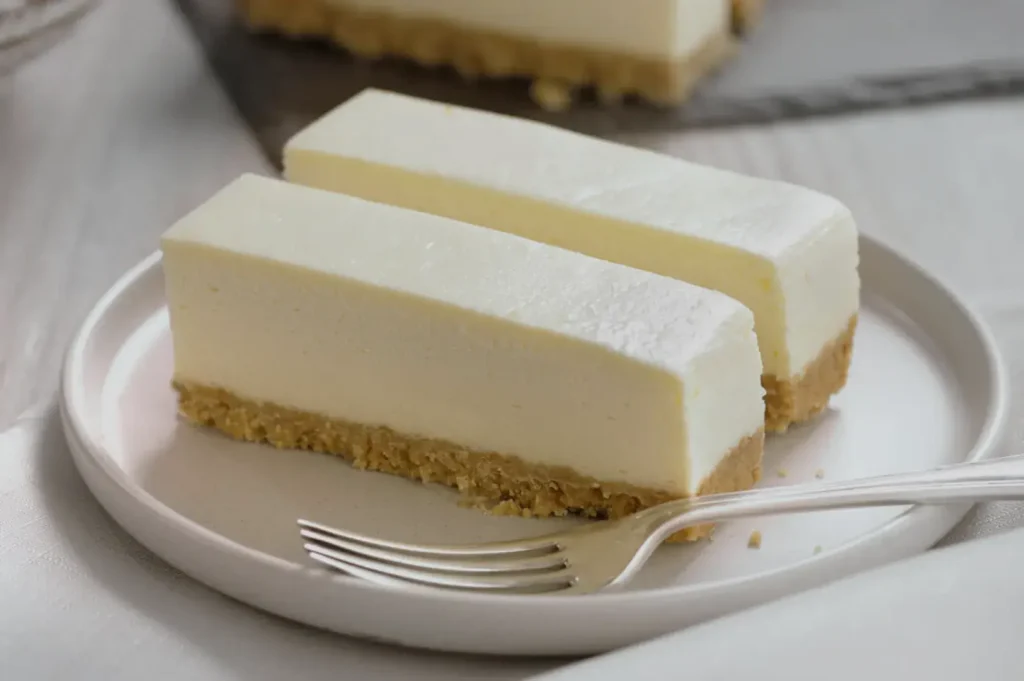
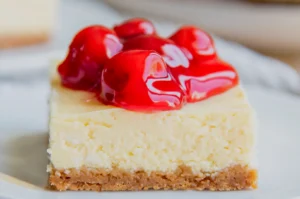
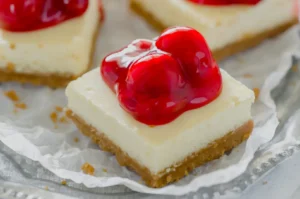
None of this reads like the desserts Singapore grew up on, and that is precisely the point. A dessert culture built on lightness, on things eaten in a few bites at a hawker stall, suddenly had to make room for something dense, cold, and deliberate, served in a single unhurried slice with fresh fruit, raspberry sauce, or whatever desired toppings feel right.
That shift did not happen because cheesecake was novel. It happened because a properly made one, built from real cheesecake ingredients rather than shortcuts, tastes noticeably different from anything else on a Singaporean dessert table. A perfect cheesecake does not need embellishment to prove its point, and anyone chasing the best cheesecake recipe eventually realises that a genuinely delicious cheesecake was never about the toppings at all.
At Daizu by Ki-setsu, that same respect for ingredients shapes something a little different again, a soy based take on cheesecake that keeps the familiar creamy texture while reworking what sits underneath it. For anyone curious enough to go looking for more cheesecake recipes after all this, it is less about replacing the classic version and more about asking what else that structure can hold, which feels like a fairly Singaporean way to treat a very un-Singaporean dessert.