Nobody Wants a Sad Cheesecake at Their Party
A cardboard box sits on an office desk, damp around the corners from transit. Inside, what was meant to be a celebration centerpiece has slumped in the afternoon heat, its sharp edges gone. It’s a familiar disappointment for anyone who’s ordered dessert delivery in a tropical climate. A sad cheesecake is a miserable sight, especially when it was meant as a thoughtful gesture.
Getting a cake from a cool commercial kitchen to its final destination requires navigating a few specific environmental hurdles. The journey involves more than just booking a reliable courier service or choosing a pretty box. It comes down to understanding how different pastry styles handle temperature shifts and structural stress when exposed to the elements. This understanding can save an entire gathering from a minor culinary disaster.
Why the Tropical Climate Fights Against Clean Slices
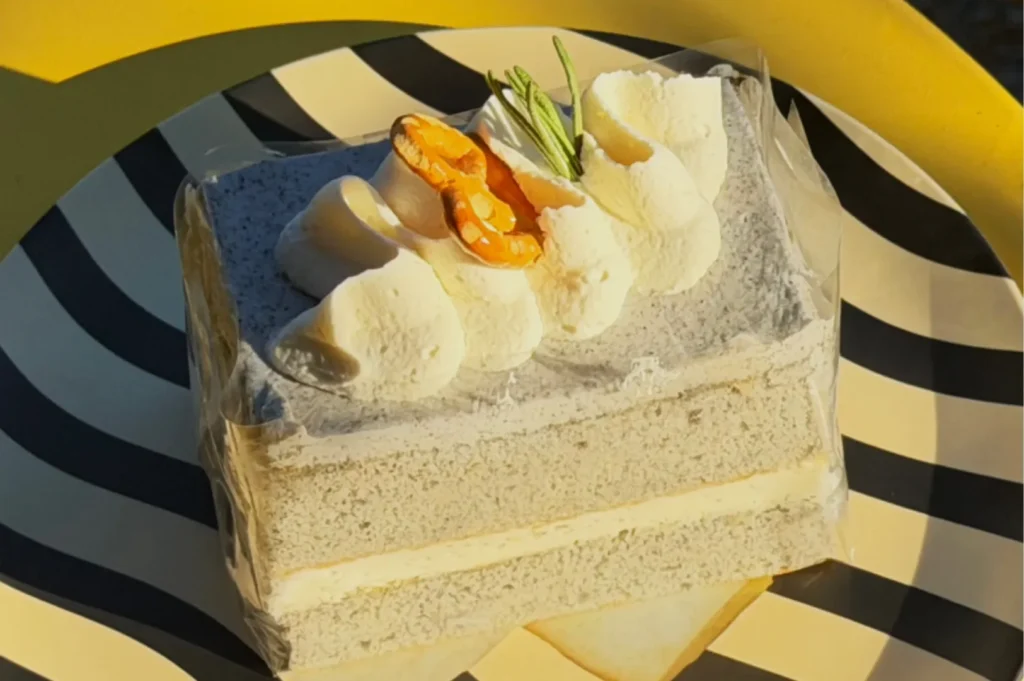
Singaporean humidity behaves like a subtle wrecking ball for classic pastry structures. Most traditional variations rely heavily on dense dairy fats to stay upright on the plate. When chilled inside a commercial refrigerator, these fats remain firm and perfectly stable. Once exposed to ambient temperatures during transit, that solid dairy foundation starts to soften, turning a pristine wedge into something precarious.
The Physics of Cold-Set Versus Baked Formulations
No-bake varieties are particularly vulnerable to a warm commute across the island. These cakes often use gelatin or simple refrigeration to trap air pockets within whipped cream and cream cheese. The moment the ambient temperature rises inside a delivery vehicle, that fragile network begins to dissolve, leading to a quick loss of height and an unappealing texture. Without an oven-baked core, there is very little holding the cake together against the humidity.
Baked versions offer a bit more resilience due to protein coagulation during the baking process. The heat from the oven binds the eggs and cheese together into a permanent structure that holds its shape. Even so, a baked cake with too much heavy cream will still sweat and lose its clean profile if left in transit for too long. A dense bake handles heat better, but it can often leave guests feeling weighed down after only a few bites.
The Secret to Finding a Cake That Survives the Journey
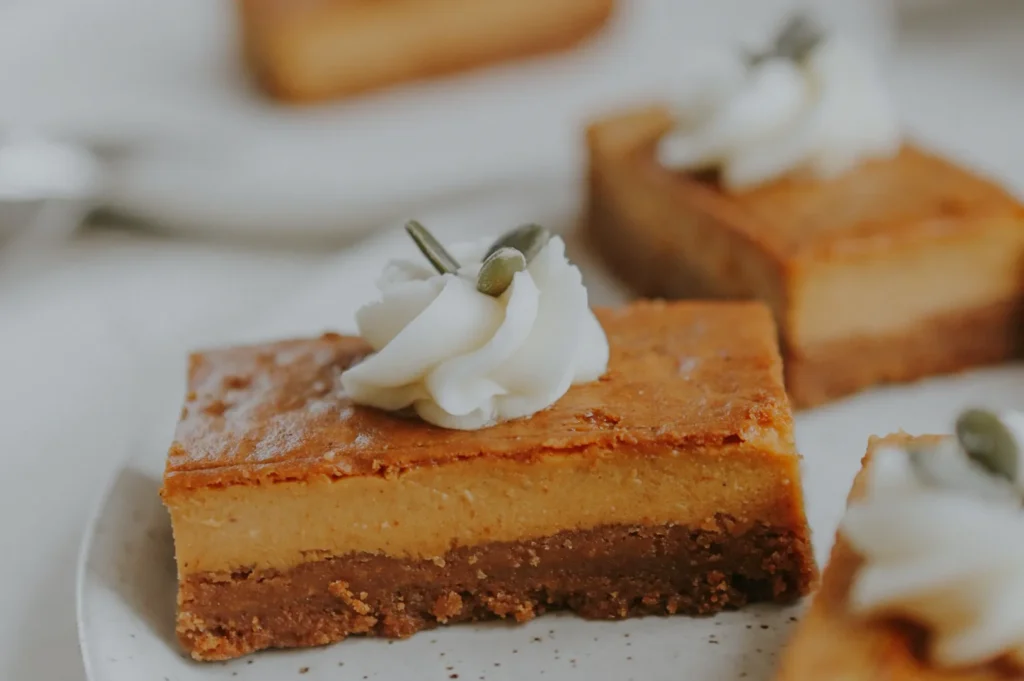
Choosing cheesecakes in Singapore that can withstand the heat means looking closely at how the batter is originally built. Reliable structure does not have to mean a dense, heavy cake that feels like a brick in the stomach. The goal is finding a balance where the dessert remains structurally sound without losing its delicate, velvety mouthfeel. Achieving this requires clever ingredient choices rather than simply adding more thickeners.
Reading the Crust and Edge Cues
A solid perimeter acts as a built-in shield against the tropical climate. Basque burnt styles, for instance, utilize high heat to bake the outer edges rapidly. This process creates a caramelized, self-supporting wall that protects the softer, creamier center. When inspecting options online, a well-defined edge is usually a good indicator that the cake will survive a short trip without turning into a sad cheesecake.
Moisture management in the recipe also dictates transport stability over long distances. Cakes that incorporate moisture-dense ingredients naturally without relying purely on animal fats tend to handle temperature transitions with far more elegance. They do not lock up into waxy blocks when cold, nor do they collapse into puddles when warm. This flexibility keeps the visual presentation flawless from the bakery box to the final plate.
Practical Logistics for a Flawless Unboxing Experience
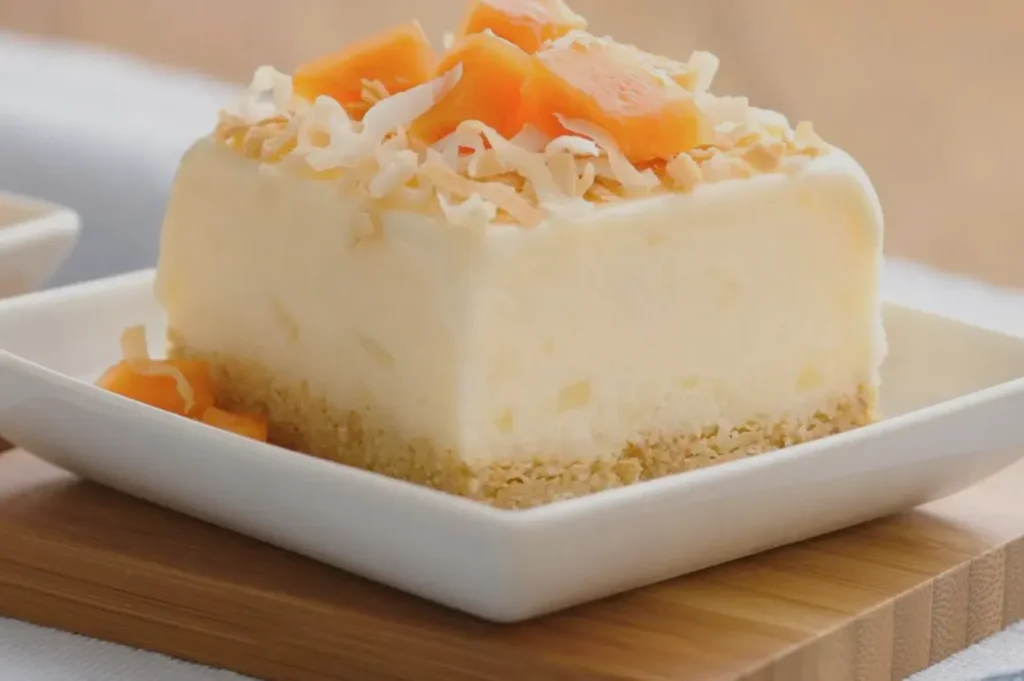
Timing a delivery requires a bit of strategy to ensure the cake arrives looking its best. Scheduling a drop-off right before serving is generally safer than letting a box sit in a communal kitchen for hours. Most professional setups use insulated packaging, but even the best thermal bags have their operational limits against the afternoon sun. A little bit of foresight goes a long way in preserving the visual impact of the dessert.
Temperature Transitions and Cutting Techniques
A cake should spend some time resting before the first slice is actually made. Moving a dessert straight from an air-conditioned delivery vehicle to a warm dining room can cause immediate condensation on the surface. Letting it adjust gradually inside a cool room helps preserve the delicate texture of the top layer. This short waiting window allows the internal structure to settle perfectly.
When it comes to serving, using a warm, clean knife ensures a clean presentation every time. Wiping the blade completely clean between every single cut prevents the interior from sticking and tearing. This small step preserves the sharp visual appeal that the bakers worked hard to achieve in the kitchen. It turns a casual slicing process into a clean, professional presentation.
How Modern Pastry Builders Eliminate the Sad Cheesecake Dilemma
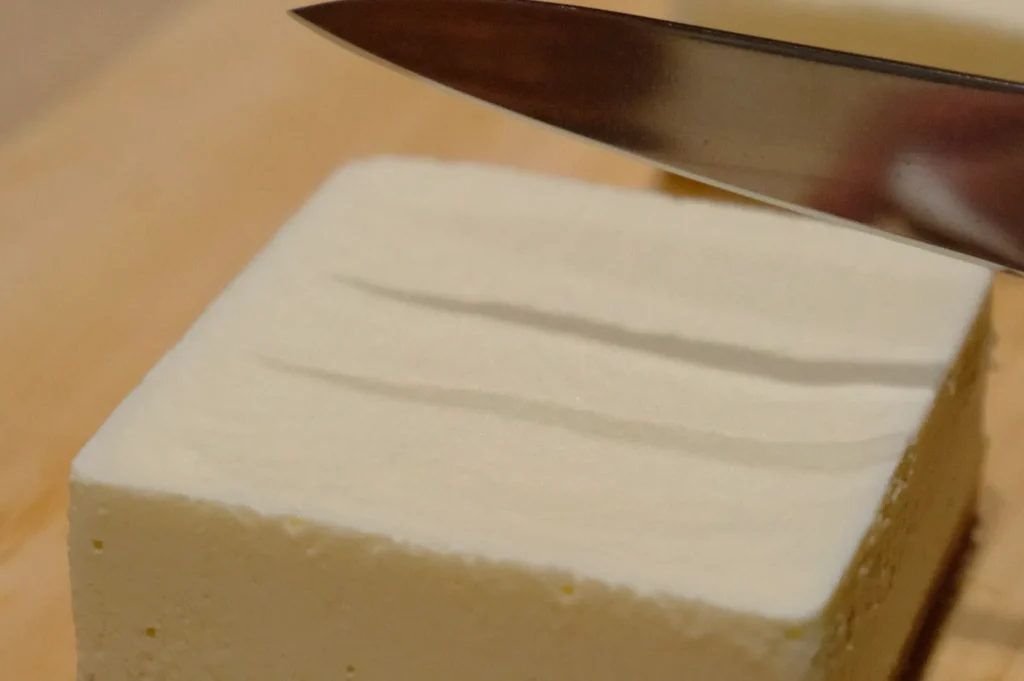
The ultimate solution to delivery mishaps involves rethinking the traditional ingredient blueprint entirely. Heavy reliance on massive amounts of cream cheese often leads to a dessert that is either too rigid when cold or too vulnerable when warm. Shifting a portion of that dairy base toward functional plant-based elements offers a reliable alternative for the local environment. This structural evolution is changing how pastry makers approach classic recipes.
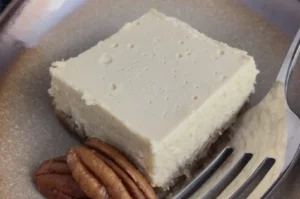
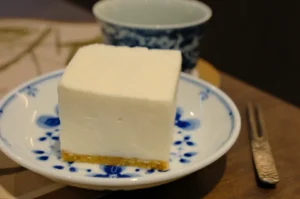
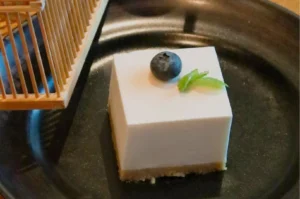
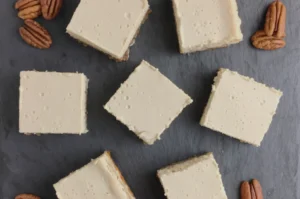
Introducing moisture-dense components like premium soy milk and smooth silken tofu allows a cake to retain its structural integrity beautifully during transit. At Daizu by Ki-setsu, this focus on reliable harmony defines how every single round is crafted. By mindfully blending these ingredients into the classic cream cheese foundation, the kitchen produces Japanese soy cheesecakes that navigate local temperature shifts gracefully, ensuring nobody has to deal with a sad cheesecake at their next celebration.