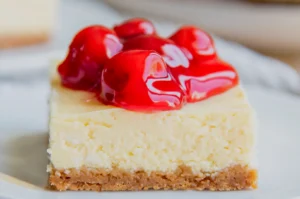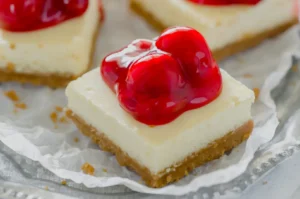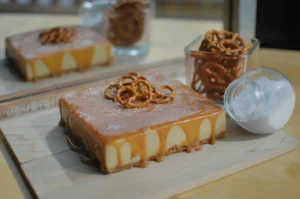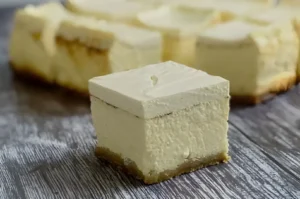
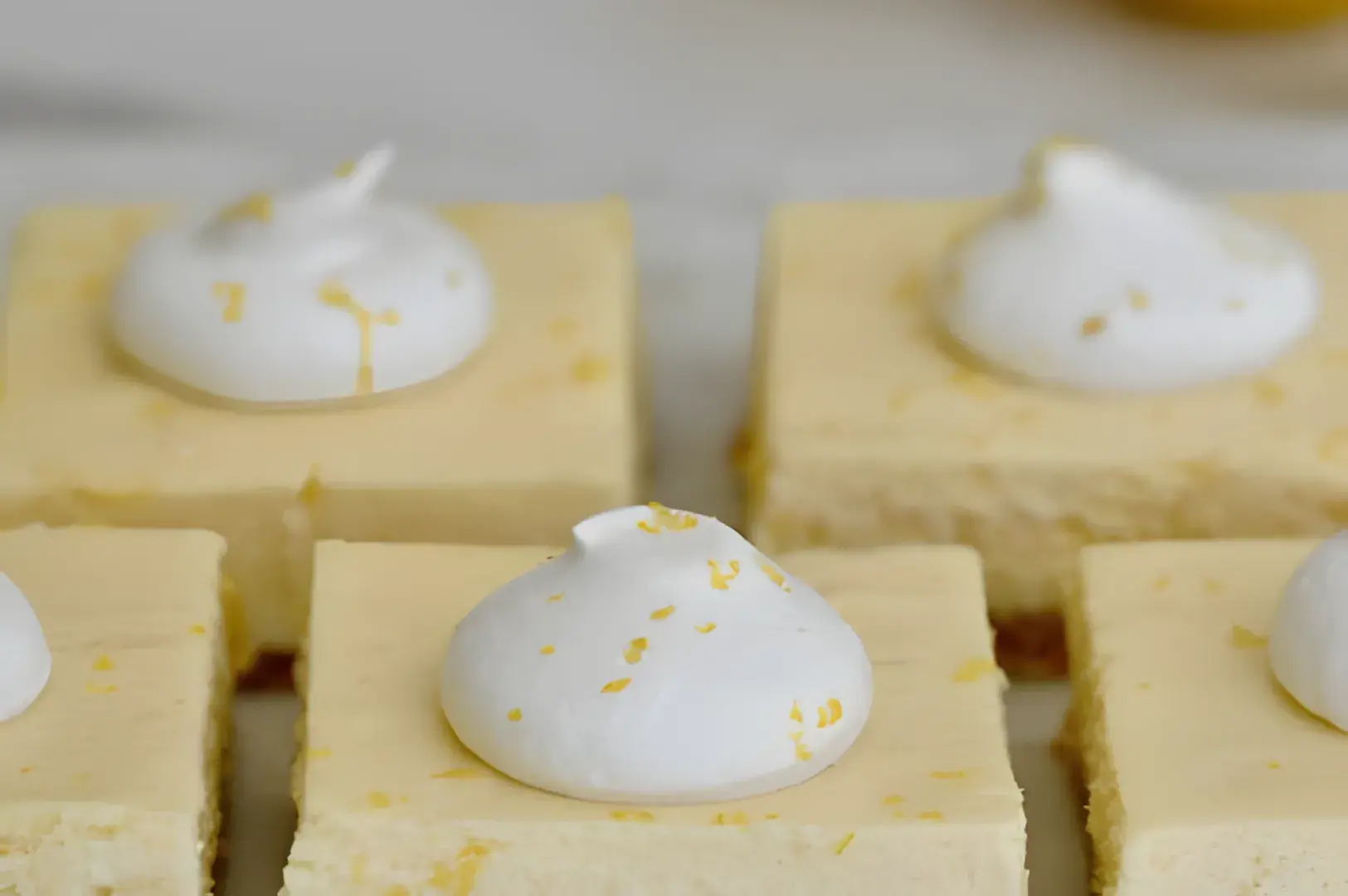
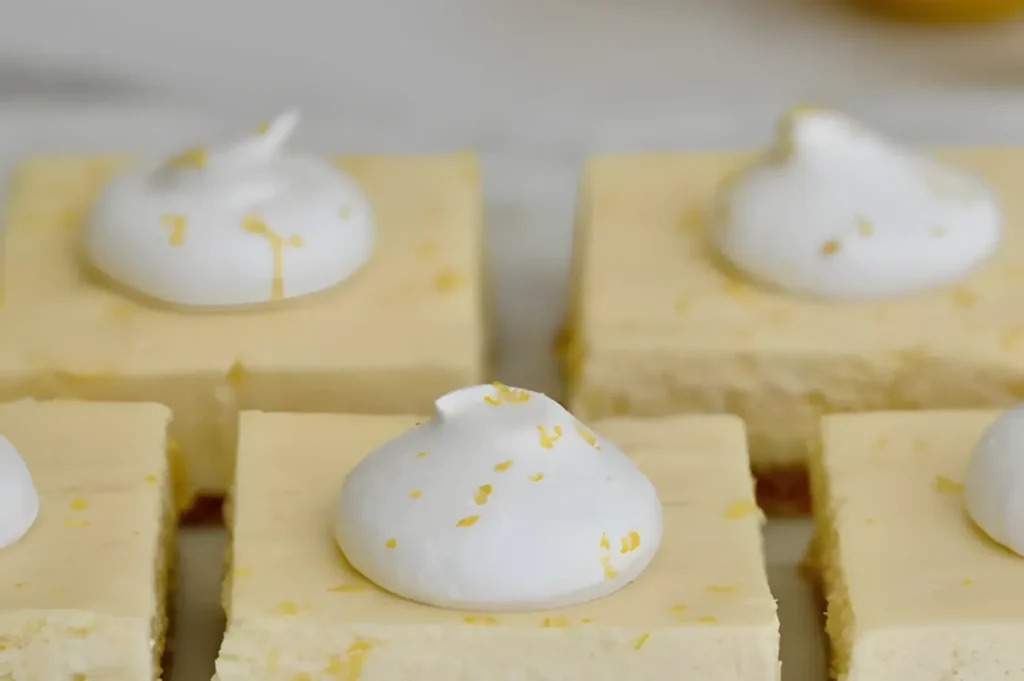
A cold slice of cheesecake on a plate can look remarkably uniform from across the room, yet the first bite always reveals the kitchen secrets. One version structuralizes around a dense, velvety weight that slowly dissolves, while another carries a cloudlike lift that seems to vanish almost immediately.
This stark contrast comes down to a fundamental split in preparation methods, a true showcase of how temperature and technique dictate final structure and cheesecake texture. For those seeking the best cheesecake in Singapore, understanding these differences can elevate the appreciation of this beloved dessert.
The concept of cheesecake density is not about finding a single winner, but about mapping out how different ingredients behave under different conditions. A baked version relies on heat to set its foundation, creating a tightly bound network that handles temperature shifts with structural integrity. A no-bake version skips the heat entirely, relying instead on mechanical aeration and cooling to hold its shape.
Heat Changes Everything for a Baked Cheesecake Base
Sliding a springform pan into a hot oven initiates a complex chain reaction. The foundation of a traditional baked recipe starts with block cream cheese, sugar, and eggs. When these solid ingredients are combined at low temperature or high speed, air is introduced into the batter, but the real structural magic happens during cooking.
Step | Stage of Baked Process | Structural Transformation |
|---|---|---|
1 | Batter Preparation | Softened cream cheese, eggs, and sugar are mixed smoothly at a controlled speed. |
2 | Water Bath Baking | Low temperature heat cooks the proteins slowly, creating a stable, unruptured network. |
3 | Overnight Chilling | The dense structure locks firmly into place in the fridge, settling the center safely. |
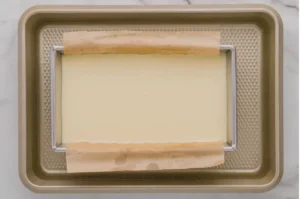
As the internal temperature rises, egg yolks and whites begin to coagulate, creating a permanent framework that traps moisture and fat. To keep this process gentle, a chef will often place the cheesecake pan inside a larger pan filled with hot water. This hot water bath distributes heat evenly around the sides, preventing the edges from cooking faster than the middle. Wrapping the outer base in aluminum foil keeps the water from seeping into the crust.
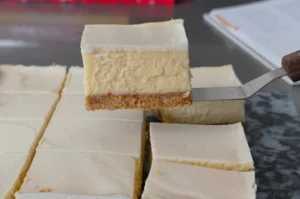
For optimal cheese cake density, baking at a low temperature of around 250°F (121°C) is recommended. This ensures the creamy texture develops without overbaking, which can cause the cheesecake to crack and become dry. Leaving the oven door cracked after turning off the heat allows the cake to cool down slowly. Skipping this step risks shrinking the mixture too fast, causing a visible break or crack across the center. Once it sets in the fridge overnight, every slice gains a clean edge that slices cleanly on a cutting board, delivering a substantial texture that melts smoothly on the palate.
Cold Science Behind a No-Bake Cheesecake Structure
Removing the oven from the equation alters the entire blueprint of the dessert. A no-bake cheesecake avoids protein coagulation entirely, meaning it cannot rely on eggs to build an internal network. Instead, the process shifts toward stability through fat crystallization and whipped volume.
Stage | Action Step | Physical Result in the Filling |
|---|---|---|
A | Incorporating Fats | Softened cream cheese is combined with heavy cream and whipped cream bases. |
B | Mechanical Aeration | High speed whipping introduces tiny air pockets directly into the dairy matrix. |
C | Cold Setting | The mixture skips the oven entirely and solidifies inside the fridge overnight. |
The light, soft profile relies heavily on mechanical aeration. Heavy cream or whipped cream is folded into softened cream cheese, trapping tiny air pockets within the fat matrix. A splash of lemon juice is often added, not just for a bright taste, but to help tighten the dairy proteins slightly.
Because there is no cooking step to lock the liquid elements in place, the mixture remains fundamentally fragile. It relies on the cold environment of a fridge to stay perfectly set. The moment it warms up, the fat structures begin to relax, returning the slice to its natural, cloudlike state that feels entirely weightless compared to its baked counterpart. No-bake cheesecakes often use gelatin for stability, which helps maintain firmness but can affect the creamy mouthfeel. When eating, these cheesecakes dissolve quickly in the mouth, offering a light, airy experience.
Designing Texture Beyond Standard Cream Cheese Blocks
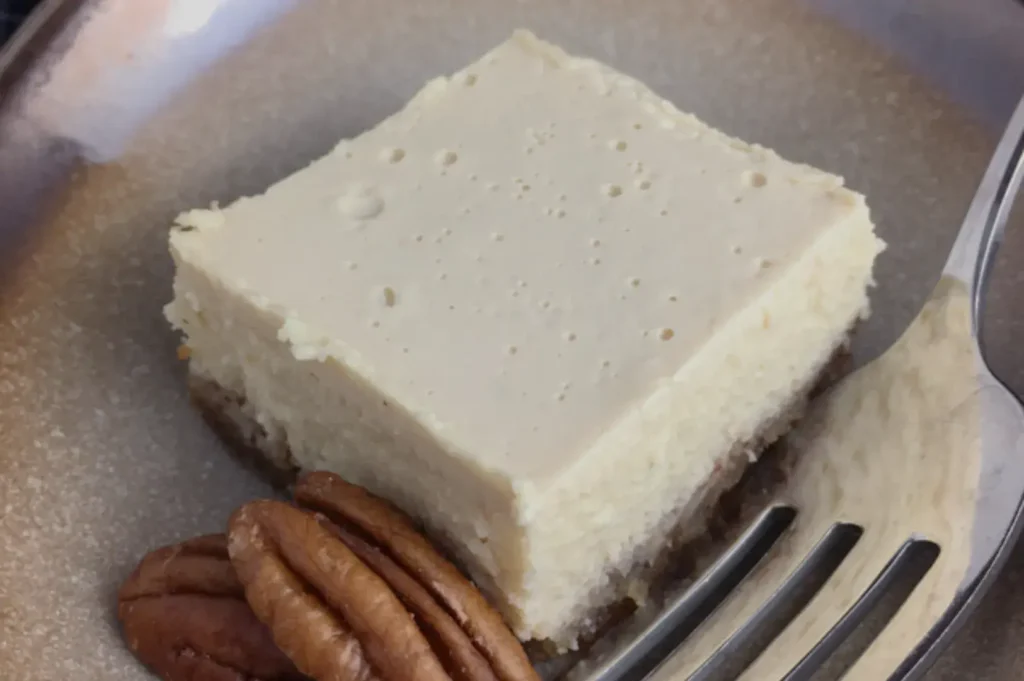
While standard cream cheese forms the classic baseline, changing the primary dairy component completely transforms the density map. Introducing alternative cheeses or lighter liquids shifts how a slice sits on the plate and feels in the mouth.
Sour Cream and Heavy Cream: Adding sour cream to a baked batter introduces a pleasant tang while thinning out the dense structural network, resulting in a more velvety texture.
Ricotta Cheese and Mascarpone: Utilizing ricotta cheese provides a rustic, slightly grainy crumb common in Italian baking, while mascarpone delivers a buttery smoothness that softens a chocolate cheesecake without requiring high heat.
The Japanese Cheesecake Style: Whipping egg whites into a stiff foam before folding them into a warm cheese mixture creates a soufflé-like Japanese cheesecake. This style uses low temperature baking to yield a bouncy, fluffy crumb that stands tall without being dense.
Cheesecake Style | Key Setting Agent | Structural Profile | Experience on Palate |
|---|---|---|---|
Traditional Baked | Egg coagulation via heat | Dense, tightly bound network | Rich, slow melting, substantial weight |
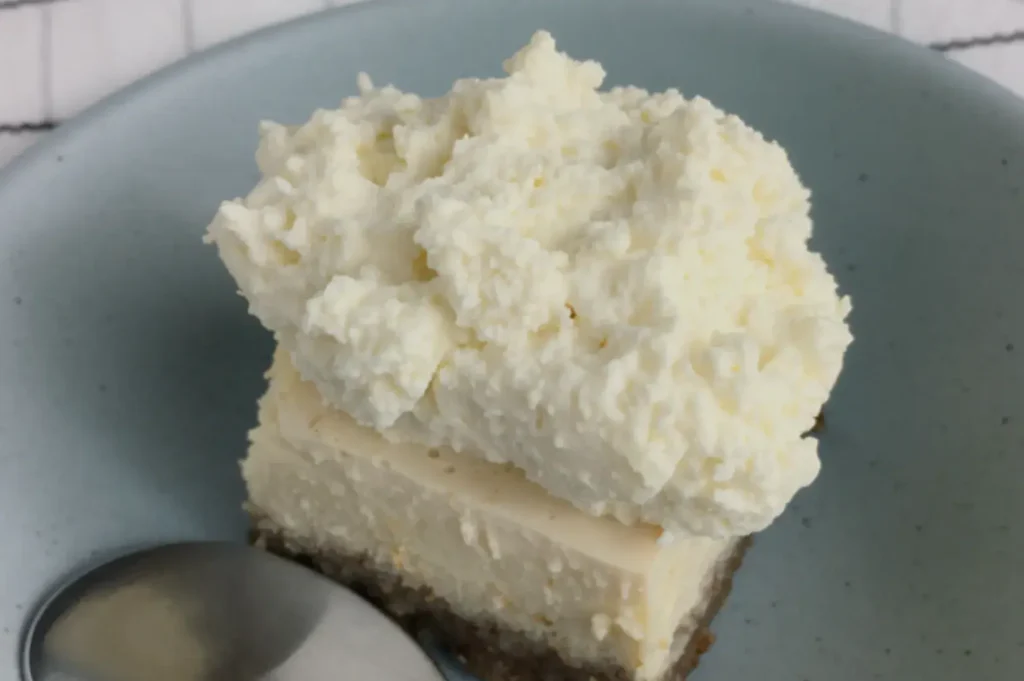
No-Bake Variant | Whipped fat crystallization | Aerated, delicate air pockets | Soft, mousse-like, vanishes quickly |
Japanese Soufflé | Whipped egg white foam | Bouncy, uniform crumb | Fluffy, sponge-like, lightly stable |
The Kitchen Physics of a Flawless Water Bath Finish
Achieving a perfectly set middle without overcooking the perimeter requires careful management of heat gradients. Direct, high heat causes the outer layer of a baked cake to expand rapidly while the center remains cool, a recipe for uneven density and a lumpy finish.
Using a hot water bath limits the maximum temperature of the pan walls to the boiling point of water. This protective buffer ensures the filling bakes at an even pace from the edge to the very middle. If the water runs dry or the heat spikes, the delicate emulsion can break, separating the fats and ruining the smooth finish.
A slow cooling phase is just as critical as the baking window. When a hot cake is moved directly to a cold counter, the sudden thermal shock forces the structure to contract violently. Allowing the temperature to drop gradually inside the turned off oven keeps the internal pressure balanced, ensuring the final slice retains its uniform density from the first bite to the last.
Deciding the Winner Between a Baked Melt and a No-Bake Soft
The choice between these two structural styles ultimately comes down to the environment and personal preference. A baked slice offers a slow, rich dissolution that anchors a meal, while a no-bake version delivers a refreshing lightness that clears the palate easily.
Property Matrix | Baked Cheesecake Foundation | No-Bake Cheesecake Foundation |
|---|---|---|
Primary Method | High heat transition via egg yolks | Mechanical expansion via whipping cream |
Structural Output | Tightly bound, dense protein web | Fragile fat matrix holding air pockets |
Mouthfeel Goal | Velvety, slow-dissolving melt | Cloudlike, weightless softness |
Thermal Response | Stabilizes well as it approaches room temp | Softens quickly when removed from cooling |
Managing these dense fats can be a challenge in tropical environments where ambient heat quickly softens traditional structures. At Daizu by Ki-setsu, our kitchen addresses this exact balance of physical comfort and structural integrity by mindfully blending premium soy milk and smooth silken tofu into a traditional cream cheese base.
The result is a Japanese soy cheesecake that retains a stable, velvety consistency across temperatures, offering a clean, light alternative that satisfies the sweet tooth without the heavy, sluggish finish of conventional formulations. This creamy dessert, infused subtly with vanilla, invites guests to enjoy every cup of flavor and texture, whether they prefer a dense slice that sticks firmly to the fork or a lighter bite that melts effortlessly on the tongue.