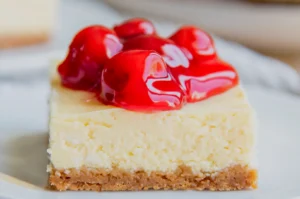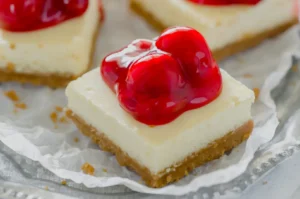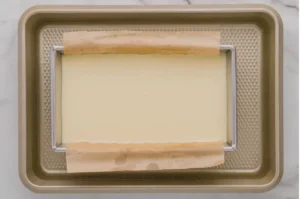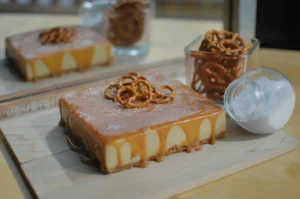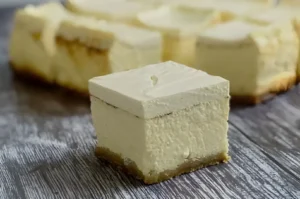
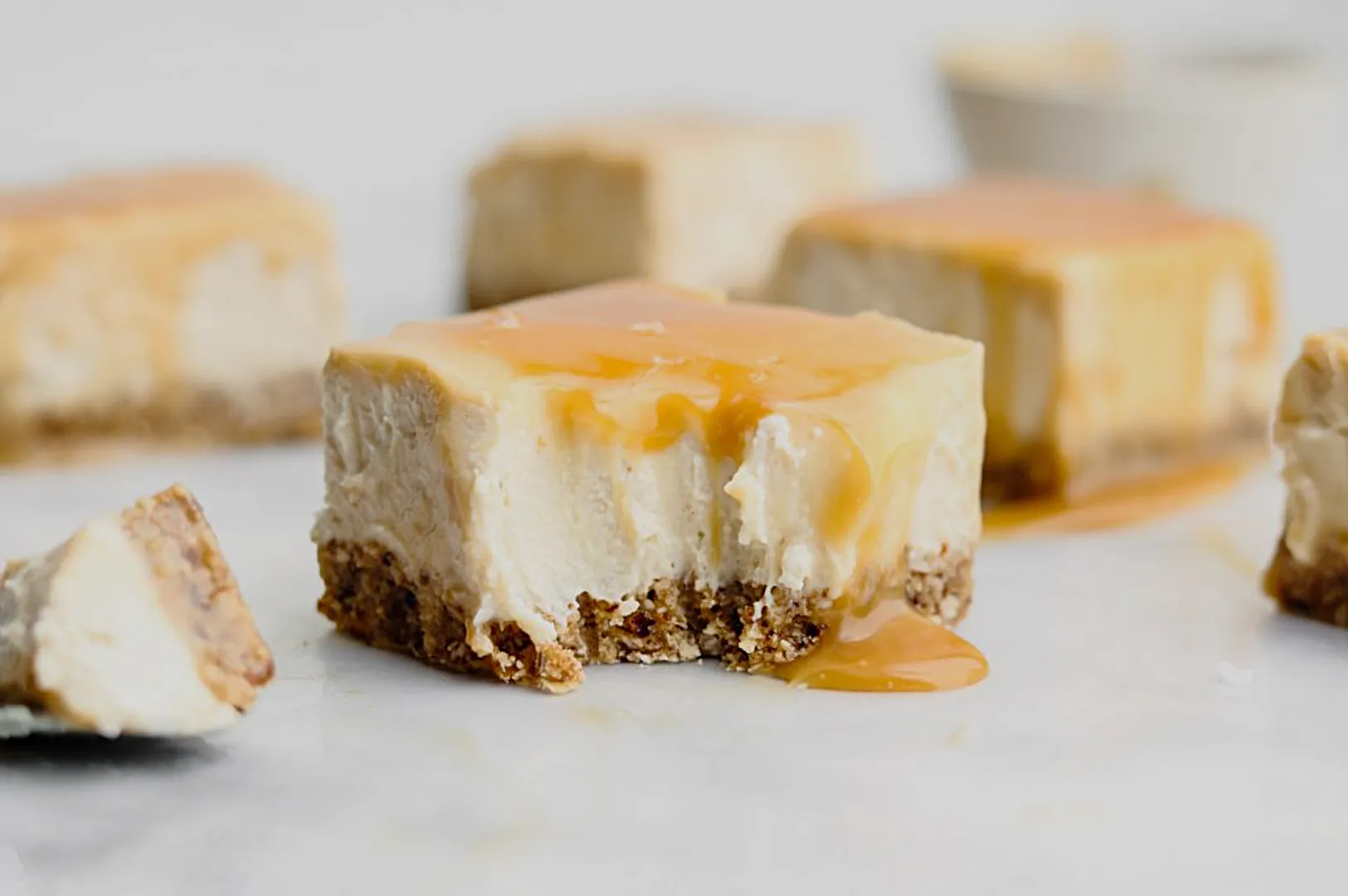
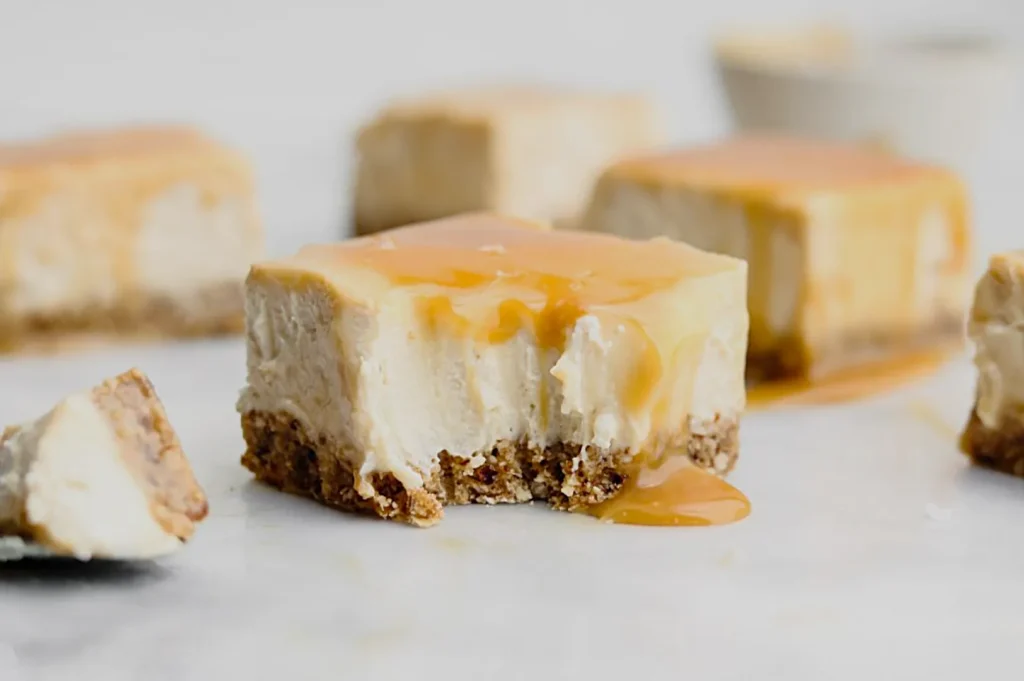
Standing in front of an open refrigerator at midnight often involves a brief internal debate. A cold wedge of dessert sitting on a small plate looks ready for immediate consumption, but patience usually yields a completely different experience.
That initial bite taken straight from the chilly wire shelves rarely matches the depth of a slice that has sat on the counter for a short while. This shift in texture and flavor relies entirely on a simple principle known as The One-Minute Rule. When given just a brief window to lose its hard edge, the dense structural profile softens, ensuring the dessert behaves exactly as intended.
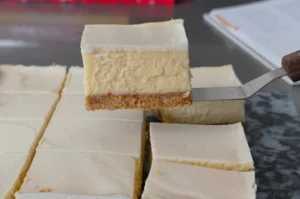
Observing a slice as it rests reveals a subtle visual transformation. The sharp, glossy edges left by the knife blade begin to take on a matte, soft appearance. It is a sign that the ambient air is doing its work, preparing the fats for the palate.
Shifting the Degrees on the Plate
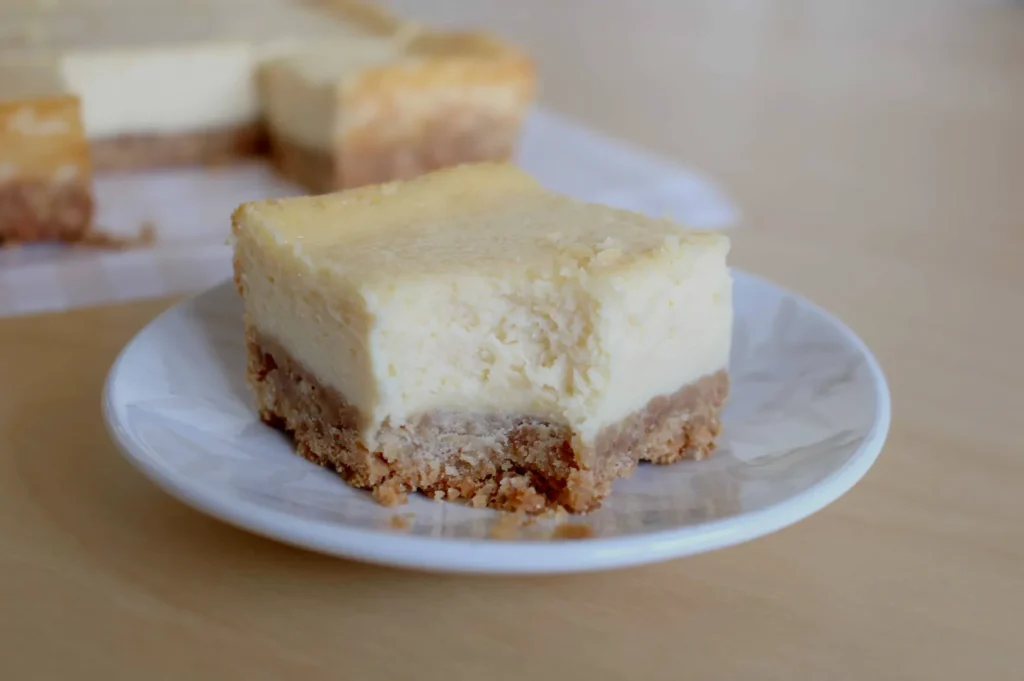
A domestic refrigerator usually maintains a steady environment of four degrees Celsius. The human mouth, by comparison, operates at a much warmer thirty-seven degrees. This significant temperature gap creates a minor thermal shock the moment a cold sweet hits the tongue.
When food is too cold, the taste buds essentially go into a temporary state of hibernation. The immediate chill numbs the receptors responsible for detecting sweetness and subtle acidity. Instead of tasting the actual ingredients, the palate mostly registers a generic sensation of coldness. Waiting just a moment allows the dessert to bridge this gap before it even crosses the lips.
This brief pause prevents the mouth from having to work overtime just to melt the food. When the tongue does not have to fight a freezing temperature, it can focus entirely on texture. The transition from plate to palate becomes a smooth introduction rather than a sudden temperature battle.
What Happens to Dairy When the Chill Lifts
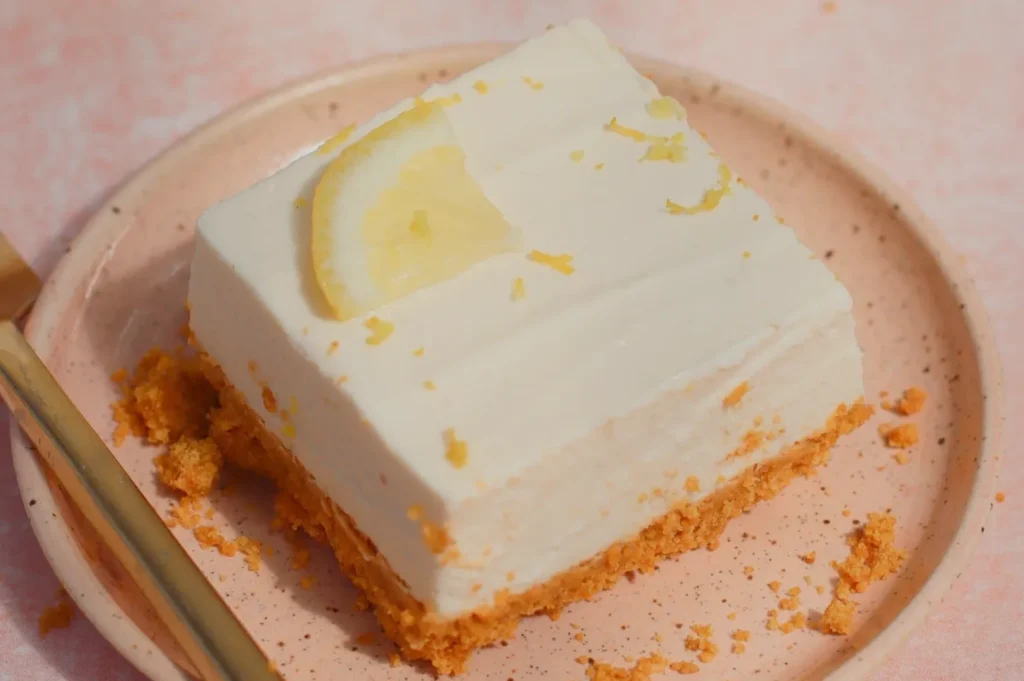
Traditional baking relies heavily on solid dairy fats like cream cheese and butter to build structure. At low temperatures, these ingredients form tight molecular bonds that act like a locked vault. They hold onto moisture and aromatic compounds with incredible stubbornness.
As the dessert sits at room temperature, those once-rigid fats begin to soften. Think of it less as melting into a puddle and more like letting the dessert’s internal structure relax and breathe. This transition from firm to smooth is key to achieving the perfect texture.
A properly tempered cake has a silky texture you can’t get just by changing the recipe. It’s soft enough to yield to a fork without crumbling or being too firm. It’s simply the result of letting the cake settle into its most natural state.
The Microscopic Release of Flavor
Refrigerated fats can feel waxy on the tongue, creating a barrier that dulls the flavor. A little bit of warmth is all it takes to break down that barrier and let the true taste come through.
As the fats soften, the flavors of dairy, salt, and sugar emerge gradually instead of all at once, allowing you to taste each distinct note. This is what transforms a dense slice into a smooth, enjoyable experience.
Why a Uniform Temperature Destroys the Experience
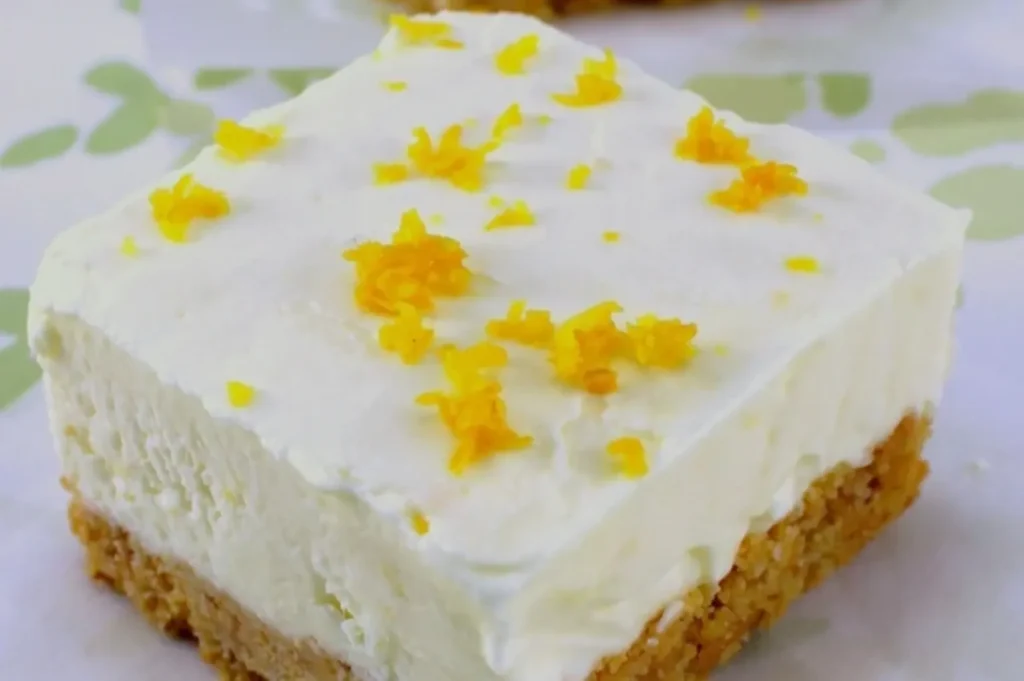
There is a common misconception that a dessert should be uniformly cold or uniformly warm throughout. In reality, the most engaging textures come from a subtle contrast across the slice. The perimeter should be soft and yielding, while the core retains a ghost of the refrigerator chill.
Achieving this balance requires observing the surrounding environment. A typical afternoon in a warm kitchen will soften the outer edges of a slice much faster than a tightly controlled, air-conditioned dining room. The goal is to catch the dessert at the exact moment where the texture varies from the edge to the center.
This progressive journey across the plate keeps every single spoonful interesting. The firmer core provides a grounding anchor, while the outer layers deliver immediate softness. It prevents the palate from becoming fatigued by a single, repetitive texture from start to finish.
How The One-Minute Rule Unlocks Hidden Flavors
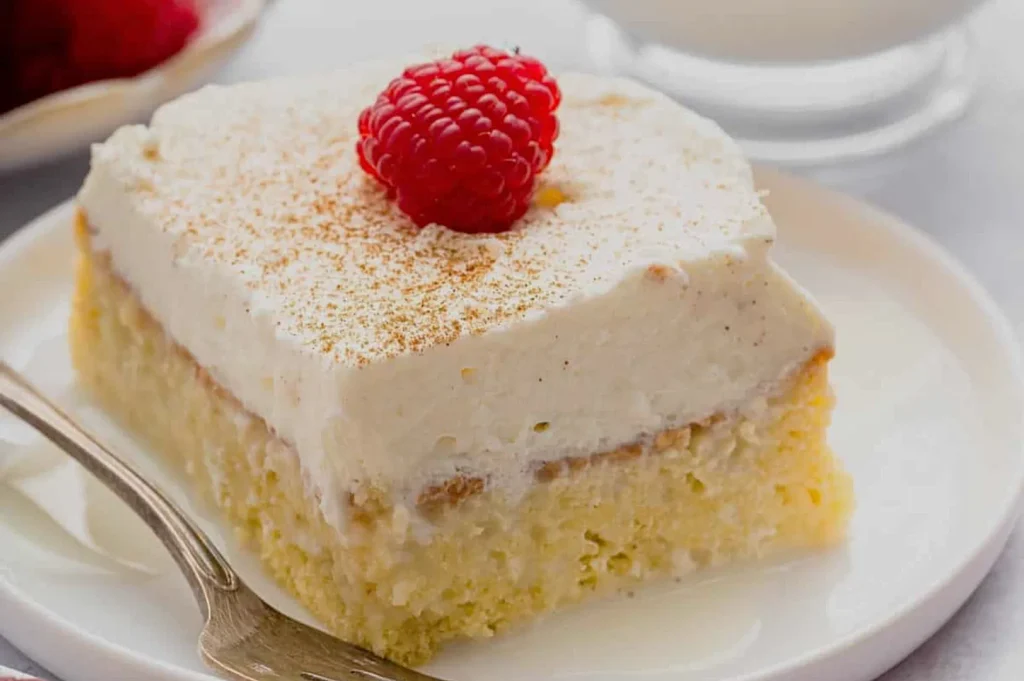
Applying The One-Minute Rule changes the actual flavor profile without altering a single gram of the recipe. Cold temperatures suppress the volatile compounds that give dairy its characteristic aroma. Since a massive portion of flavor perception happens through the nose, muting these aromas makes the entire experience feel flat.
Once the chill lifts, these volatile compounds escape into the air more freely. The natural tanginess of the cheese becomes rounded and complex rather than sharp and aggressive. Sugar also tastes sweeter at room temperature, meaning a properly tempered slice reveals its sweetness effortlessly.
This natural enhancement allows a recipe to shine through pure balance rather than relying on heavy coats of sugar to break through the cold. When the ingredients are allowed to speak clearly, the overall profile deepens. Subtle undertones of culture and salt emerge from behind the icy curtain.
Why Lighter Bases Help a Cheesecake Feel Just Right
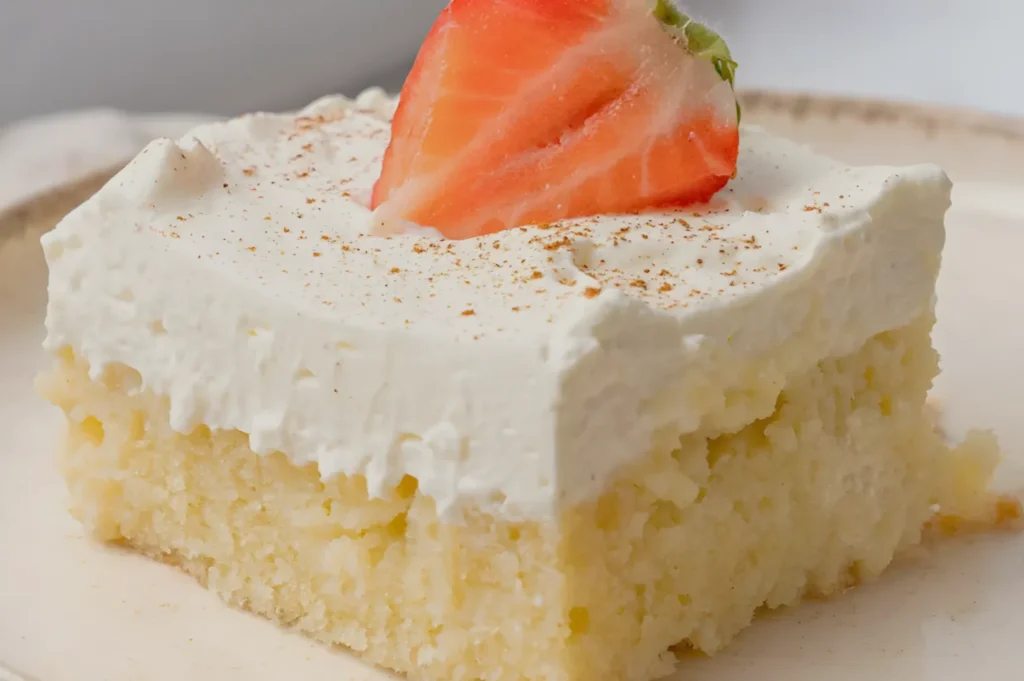
The traditional reliance on heavy dairy solids means some bakes require an excessive amount of counter time to become palatable. Shifting the composition away from dense fats alters the entire physics of the plate. When a recipe introduces moisture-rich, plant-based elements, the structure remains inherently more flexible across different temperatures.
These alternative components do not lock up into a solid, waxy block when chilled. The thermal transition happens much faster, requiring less patience before the texture achieves perfect harmony. Every slice maintains a clean, refreshing consistency that never leaves a heavy coating on the palate.
At Daizu by Ki-setsu, our approach to every Japanese soy cheesecake focuses on this exact structural agility. By mindfully blending premium soy milk and smooth silken tofu into the base, we ensure the dessert navigates temperature shifts with complete elegance, making the traditional wait of The One-Minute Rule a seamless experience. This creates a remarkably balanced profile that suits the climate for cheesecakes in Singapore, offering a clean and light finish that presents itself beautifully at any gathering.