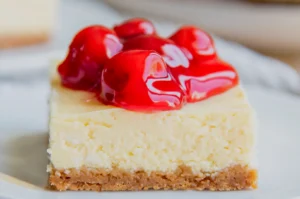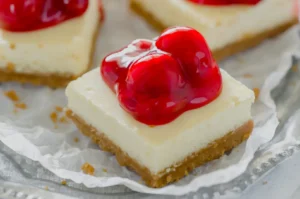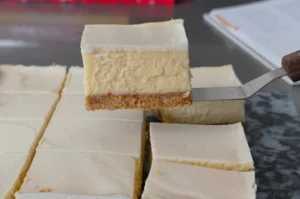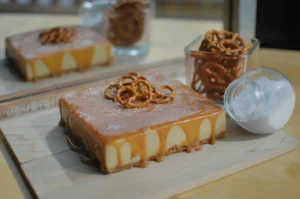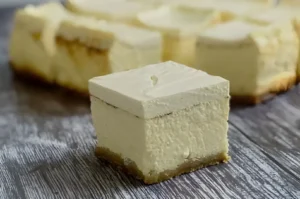
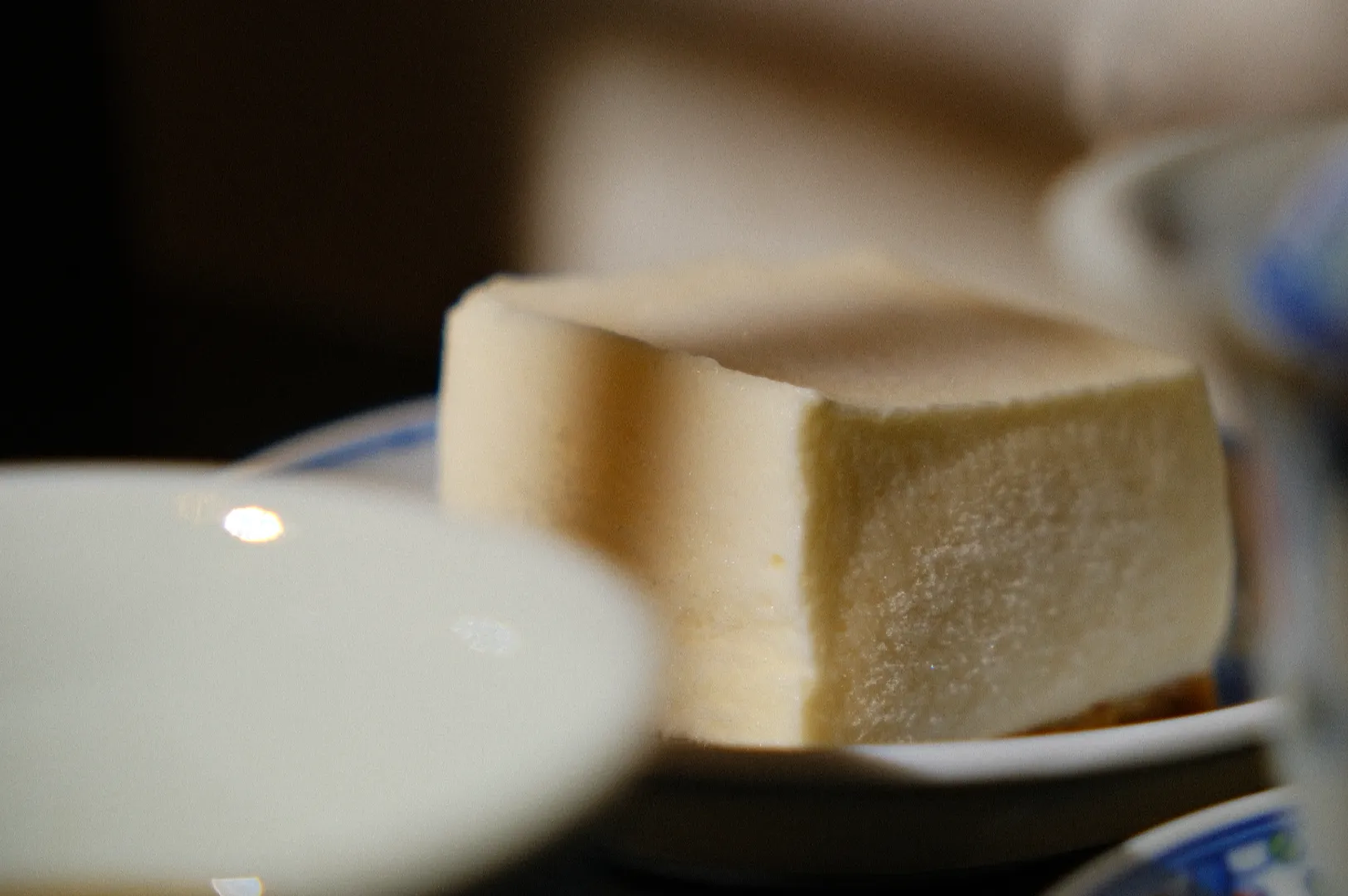
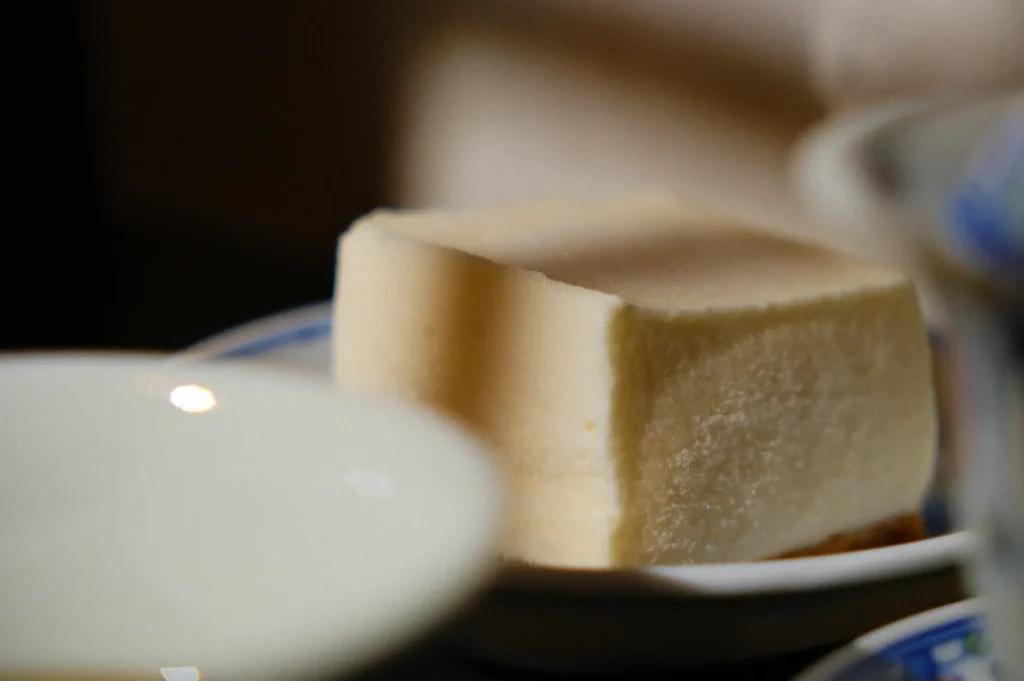
The visual profile of a dessert in Singapore was once defined by its verticality and ornamental density. Piles of glazed fruits, intricate chocolate lattice work, and layers of flavored chantilly were standard markers of a high tier product. Today, the premium market has largely moved in the opposite direction. A bare surface and a clean geometric edge are now viewed as more significant indicators of quality than any amount of edible gold leaf or piped cream.
This shift represents a maturation of the consumer palate. Those who frequent dessert institutions now look for evidence of technical mastery within the cake itself rather than on its surface. When searching for the best cheesecake in Singapore, a cake that is stripped of external distractions has its structural integrity and density profile fully exposed. This transparency requires the maker to achieve a level of precision that cannot be hidden by decorative layers.
The Relationship Between Aesthetic Restraint and Technical Precision
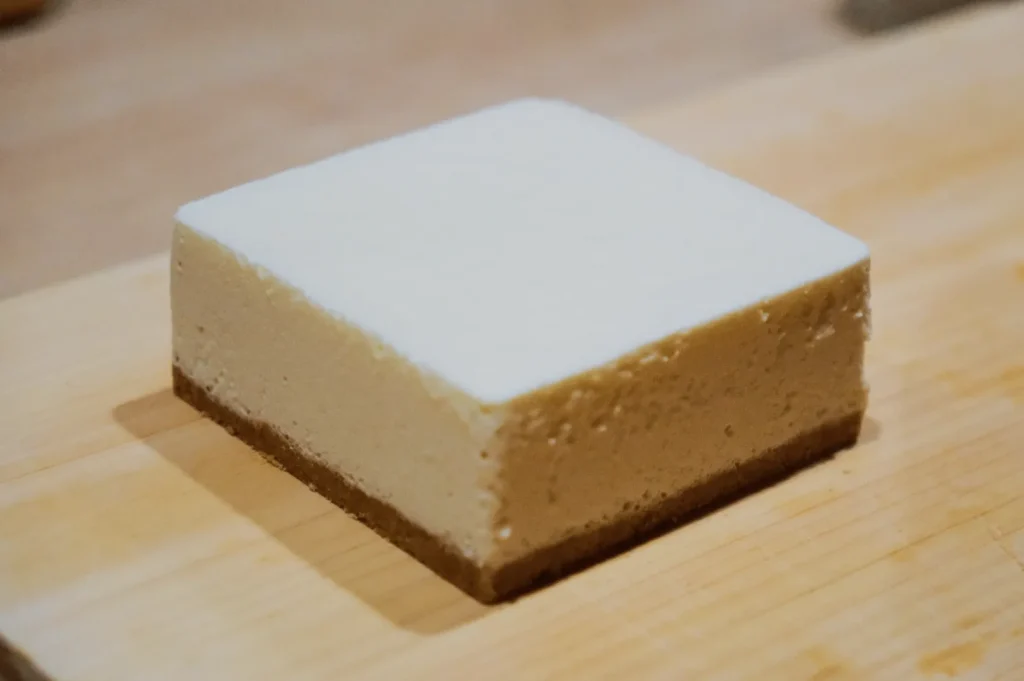
Decoration often serves a secondary purpose in commercial baking by masking imperfections. A thick layer of compote can hide a surface crack. Excessive whipped cream can compensate for a dry internal crumb. In the premium sector, the removal of these elements is a declaration of confidence in the baking process.
A well-structured cheesecake that stands alone must be technically perfect. The surface must be smooth without being rubbery. The edges must be sharp without being brittle. This requires rigorous control over thermal transition and humidity during the bake. For the discerning consumer, a minimalist presentation is proof that the internal mouthfeel and textural consistency have been managed with absolute discipline.
How Minimalism Reveals the True Density Profile
The density profile of a dessert dictates how it is perceived on the tongue. When a cake is covered in toppings, the palate is hit with multiple textures and sugar levels simultaneously. This often results in sensory confusion where the nuance of the primary ingredient is lost.
By favoring a decoration-heavy approach, makers often overlook the balance of the core batter. A minimalist approach forces a focus on the weight of the slice. A premium dessert today aims for a specific palate weight that provides satisfaction without causing richness fatigue. This is achieved by refining the ratio of fats to proteins within the base rather than adding external flavor agents.
The Impact of Structural Integrity on Consumer Trust
In an environment where products are frequently photographed, a decoration-heavy dessert can be misleading. A cake may look substantial but lack structural integrity when sliced. The shift toward simpler designs reflects a demand for honesty in materials.
Consumers now prioritize a composed texture that remains stable from the display to the plate. A cake that maintains its form through its own internal network of proteins and fats is seen as a superior technical achievement. This reliability builds trust. It ensures that the experience of the dessert matches its visual promise.
Why the Modern Palate Rejects Richness Fatigue
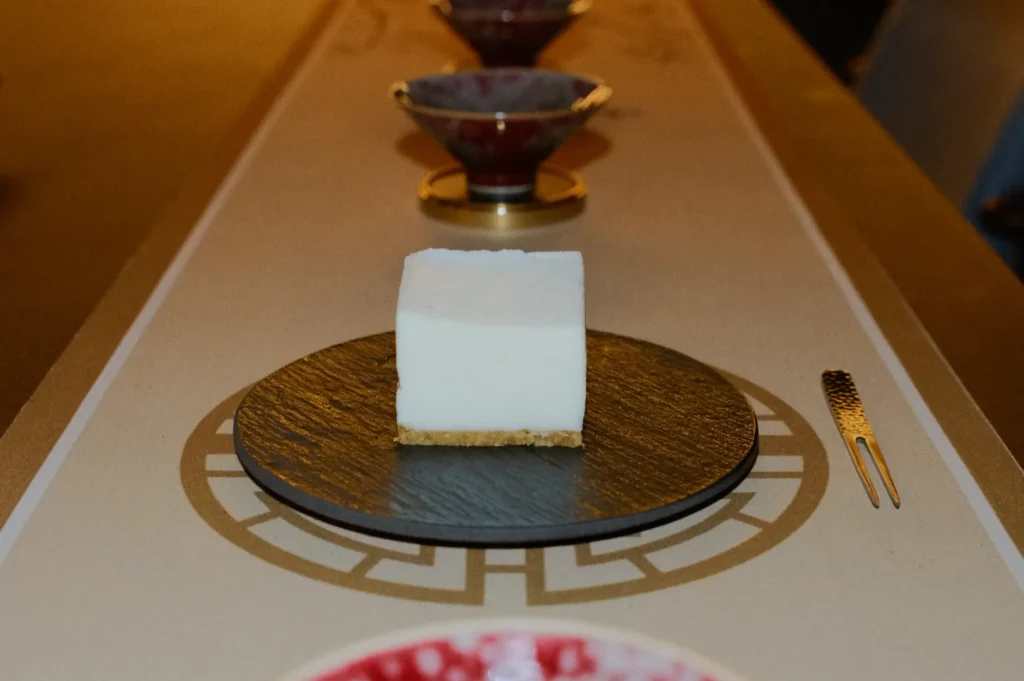
Richness fatigue occurs when the palate is overwhelmed by excessive lipids and sugars. Decoration-heavy desserts are primary contributors to this sensation. When a cheesecake base is already dense, the addition of glazes and creams pushes the palate weight beyond the point of comfort.
The premium market in Singapore has moved toward a lighter interpretation of classic profiles. This is not a matter of diet, but of sensory longevity. A dessert with a balanced finish allows the diner to enjoy the entire portion while maintaining a clear perception of flavor. The finish on the palate should be clean rather than coating.
The Role of Mouthfeel in Defining Standards
Mouthfeel is the most critical metric for the modern dessert enthusiast. It is no longer enough for a cake to be sweet. It must have a specific textural intelligence. This might mean a transition from a firm exterior to a yielding, creamy center.
Toppings often interfere with this experience. They introduce competing moisture levels that can soften a crust or make a firm set feel slimy. By removing the excess, a maker ensures that the mouthfeel remains intentional. Every bite offers the same planned resistance and dissolution, creating a more predictable and refined experience.
Evaluating Quality Through the Finish on the Palate
A clean finish on the palate is the hallmark of a disciplined kitchen. If a dessert leaves a heavy, oily residue, it suggests that the fat emulsion was not properly managed. Decoration-heavy cakes often use high-fat toppings to provide an immediate burst of flavor, but this leads to a poor finish.
Restraint in design usually coincides with restraint in ingredient selection. By using high quality materials and avoiding unnecessary fillers, makers create a product that evaporates cleanly. This leaves the consumer feeling refreshed rather than weighed down, which is a key requirement for the premium demographic.
How Market Evolution Favors a Different Structural Approach
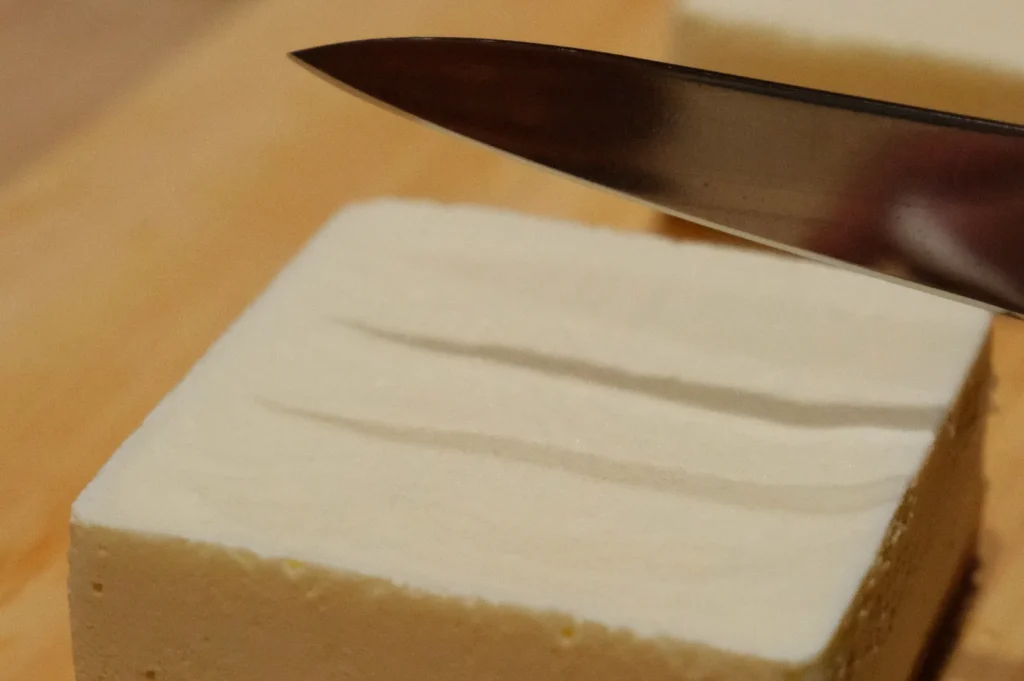
The evolution of the Singaporean market is a move toward substance over spectacle. As diners become more educated about pastry techniques, they find less value in what is added to a cake and more value in how the cake is built. This has led to a rise in desserts that utilize non-traditional foundations to achieve new textures.
A different structural approach, such as the integration of plant proteins or alternative dairy, allows for a shift in the traditional density profile. These materials can offer a lighter mouthfeel while maintaining the required structural integrity. This aligns perfectly with the current preference for minimalism, as these nuanced textures are best appreciated without the interference of heavy toppings.
At Daizu by Ki-setsu, we recognize that our soy-based foundations are best served by this philosophy of restraint. We provide a refined alternative to traditional dairy-heavy cakes by focusing entirely on the technical balance of our soy and cheese base. We believe that a well-structured dessert should not require a mask. By maintaining a minimalist aesthetic, we allow the composed texture and light palate weight of our cakes to remain the primary focus. Our approach is a deliberate response to a market that values the discipline of the bake and a balanced finish over the noise of decoration.